
The Brief
About a fifth of the U.S. workforce faces significant outdoor heat exposure, especially in sectors like construction, transportation and utilities.
Many outdoor workers, including those not reflected in official data, must continue working despite extreme heat conditions.
Workers emphasize coping strategies like hydration, pacing and perseverance to stay safe while continuing their jobs.
About a fifth of the U.S. workforce, roughly 32 million people, work in jobs requiring significant exposure outdoors, even during hot days. National labor statistics indicate that the highest number of heat-related injuries tend to occur in particular sectors, like transportation, construction, trade and utilities.
But those numbers generally don’t include street vendors, gardeners, agricultural workers or ranch workers.
One horse trainer we spoke to explains that it’s not only a matter of humans not being used to this sudden heat. “My horses haven’t even shed their winter coats,” she said, “so we have to work them early, or at night.”
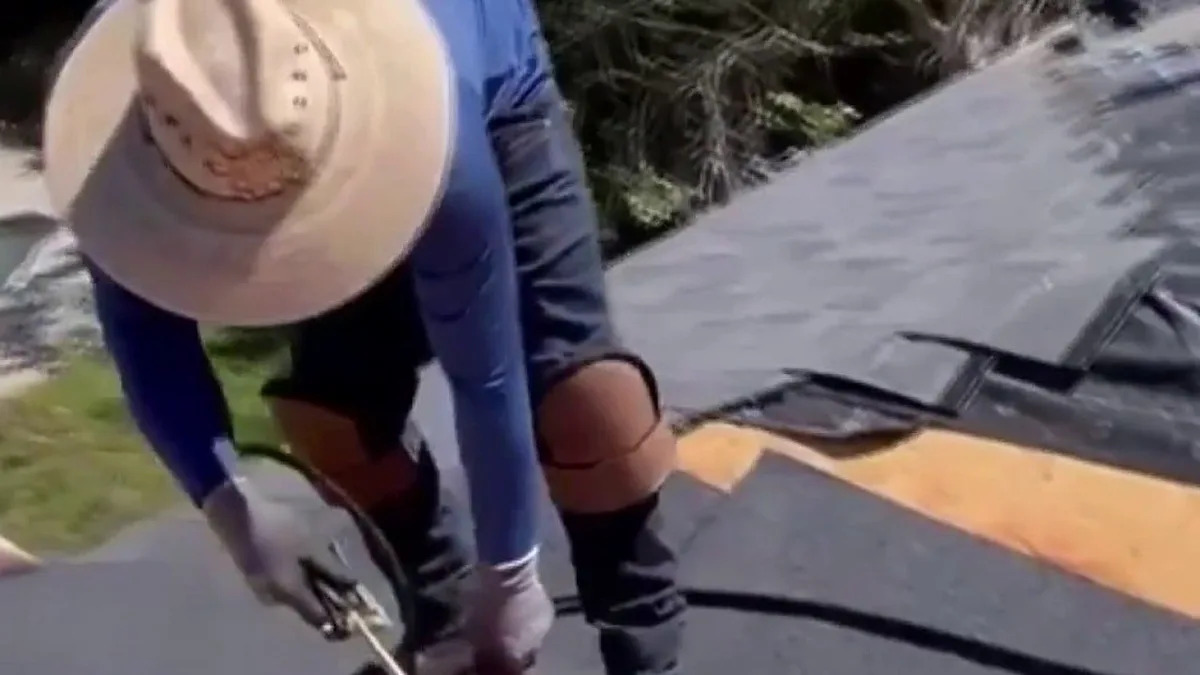
There’s no cancelling the medical appointment for a senior citizen we found carrying an umbrella as she made her way to a bus stop. “You kidding?” said one auto shop worker, filling a portable air cooler to keep the non-air-conditioned shop “livable.” People have to go to work, even the roofers, who explain that it can get over 180 degrees on a roof, 200 if you are using a heat gun to lay undergarment before shingles.
“Lots of water, hydration and breaks,” says a construction worker.
The delivery person also recommends “pacing yourself,” even if you have to keep a schedule. “You are no good if you get sick.”
“But rain, snow, heat — no matter what, you gotta keep going,” says one rancher pulling a 110-pound bale of hay as she laughs. “No use crying, it’ll waste precious body liquid!”
Be safe out there!