
Southern California isn’t just participating in the clean transportation economy, it’s leading it.
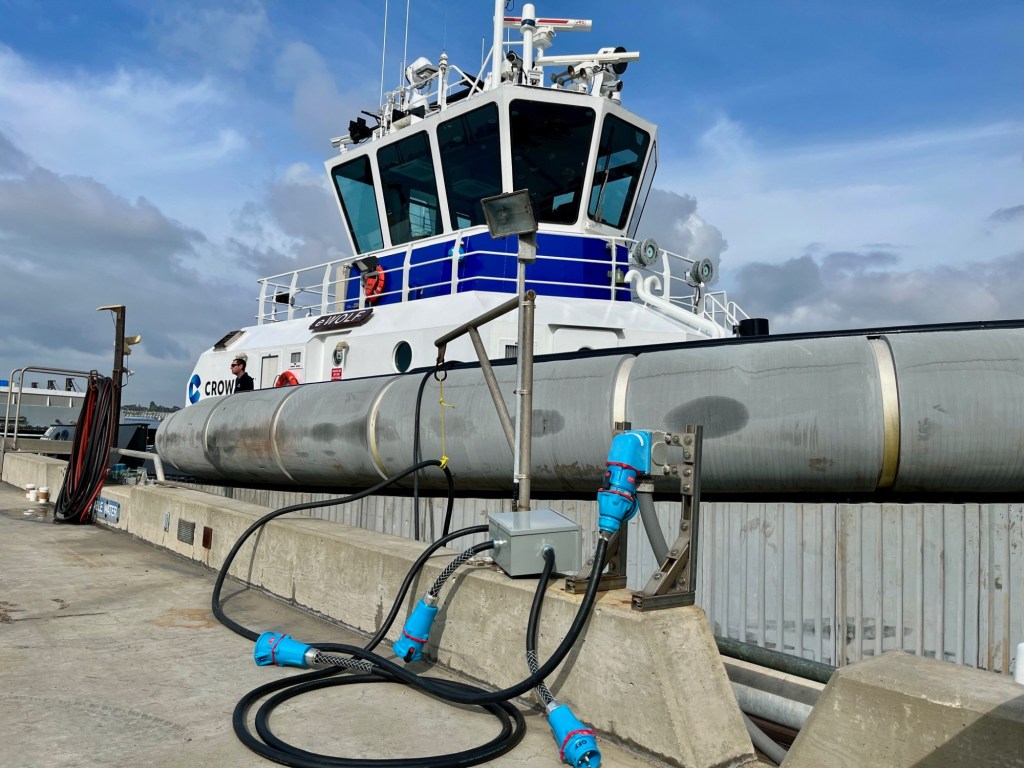
From cleaning up the Port of San Diego with electric tugboats and freight handling equipment to designing and manufacturing electric vehicles, batteries and related equipment in Carlsbad, Vista and up into Orange and Riverside counties, building a transportation system is proving to be good not just for our region’s environment but also good for our economy.
Thousands of Southern Californians now work in clean transportation-related companies and San Diego now has one of the highest ownership levels of electric vehicles per capita in the country. And we’re just getting started.
But now all that momentum — and the jobs, investments and environmental benefits that come with it — is under attack from the federal government. At the federal level, legal foundations supporting vehicle emissions standards — including the endangerment finding that underpins limits on harmful tailpipe pollution — are being challenged. The Trump administration’s rollbacks of these standards, coupled with cuts by Congress to clean vehicle programs, is driving a big and growing industry into the ditch.
And they are doing it at the worst possible time: Rising gas and diesel prices are already squeezing pocketbooks and bottom lines, making the shift to cleaner, more affordable transportation — powered by made-in-America energy — as important as ever. Clean transportation offers families, businesses and communities the stability and economic development they deserve.
It’s up to California lawmakers to grab the wheel and get us back on the road.
The region’s role in building a cleaner transportation system is far-reaching and substantial.
Companies like Flux Power in Vista make battery systems for electric forklifts and freight handling equipment. In Carlsbad, cutting-edge carmaker Aptera Motors just rolled its first solar-powered cars off the assembly line.
The Port of San Diego is another example. It is undergoing a multiyear, $227 million transformation toward full electrification of cargo handling and maritime operations, including major investments in zero-emission equipment and charging infrastructure. Those upgrades will improve air and water quality while strengthening the port’s competitive position in global trade.
Further north, electric truck maker Rivian has operations in Irvine. ZM Trucks recently opened its U.S. headquarters and commercial EV assembly plant in Fontana. BYD Motors maintains its North American headquarters in Pasadena and manufactures electric buses and trucks in Lancaster.
These and other clean vehicle companies now employ more than 72,600 Californians, including about 12,000 in San Diego and Orange counties alone, according to E2’s Clean Jobs California report.
Those workers — along with the companies that employ them — are now relying on California lawmakers and several pieces of legislation before them.
First, lawmakers in Sacramento should protect and expand clean transportation funding, including at least $200 million for EV purchase incentives to make it easier for Californians to buy EVs that are cheaper and cleaner to operate and won’t suck more money out of their wallets every time gas prices go through the roof.
Second, the Legislature should pass AB 1777, which would strengthen California’s authority to address freight pollution hotspots without relying on uncertain federal waivers — critical for a region anchored by major ports and freight corridors.
Third, the state should accelerate policies that integrate electric vehicles with the grid to lower costs and improve reliability, positioning local companies to compete in rapidly growing global markets.
From science labs at UC San Diego to factories in Fontana, Southern California has built a clean transportation ecosystem spanning design centers, assembly plants, ports, and supply chains. It supports high-quality jobs and long-term growth.
In a globally competitive industry, leadership is how we compete.
Now is the time for California lawmakers to reinforce their leadership, not retreat from it.
Keefe is executive director of E2 (Economy+Environment), a national, nonpartisan organization of more than 11,000 business leaders that got its start in California more than 25 years ago. He lives in Carlsbad.