
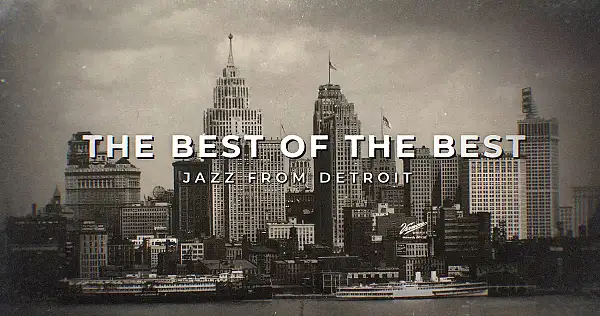
Students, faculty and community members gathered on March 10 at 7 p.m. in 201 Dodge Hall at Oakland University for a screening of the documentary “The Best of the Best: Jazz from Detroit”.
Co-sponsored by the Rochester Hills Public Library and OU’s Center for Public Humanities, the event featured a 90-minute film followed by a question-and-answer session with its filmmaker and author, Mark Stryker.
The documentary examined how Detroit became one of the most influential cities in the history of jazz. At the same time, it highlights how racism and segregation shaped the lives of many of the musicians who helped create that legacy.
Inspired by Stryker’s 2019 book “Jazz from Detroit,” the film traces the development of Detroit’s jazz scene across the 20th and 21st centuries. It weaves together the city’s industrial history, the growth of its African American community and the rise of musicians whose work transformed American music.
Detroit’s musical culture grew rapidly during the early 1900s as the automobile industry expanded. The promise of stable factory jobs attracted thousands of African Americans from the South during the Great Migration.
However, the film shows that while economic opportunities existed, Black residents still faced systemic discrimination and segregation.
Many newcomers were forced to live in specific neighborhoods, particularly the historically Black district known as Black Bottom. Housing discrimination and restrictive covenants often prevented African Americans from renting or buying homes in other parts of the city.
Despite these barriers, communities developed thriving local businesses, churches and entertainment districts.
One of the most famous cultural hubs was Paradise Valley, an area filled with clubs, bars and theaters where jazz and swing music could be heard almost constantly.
The film suggests that these environments helped shape the distinctive “Detroit sound” in jazz.
According to musicians featured in the documentary, Detroit artists were known for their discipline, creativity and resilience.
“Detroit was a real music town,” Otis Williams said in a quote featured in the film. “You heard it everywhere, from radios and record players, outside the doors of clubs, from people standing on the street singing.”
Throughout the documentary, Stryker highlights the many musicians who came from Detroit and went on to influence jazz worldwide. Artists such as Elvin Jones, Kenny Garrett and Regina Carter represent just a few examples of the city’s lasting impact on the genre.
The film also explores how gospel traditions and church communities shaped the musical backgrounds of many Detroit artists. These early experiences often helped musicians develop strong improvisational skills and emotional expression that later became central to their jazz performances.
After the screening, Stryker discussed the process of turning years of research into a documentary and answered questions from the audience about the film.
He also spoke about the collaborative effort behind the film and the support from arts and humanities organizations across Michigan that helped make the project possible.
By highlighting both the cultural achievements and the social challenges faced by Detroit’s musicians, “The Best of the Best: Jazz from Detroit” presents a deeper understanding of the city’s influence on American music.
The film emphasizes that Detroit’s jazz tradition grew not only from talent and creativity but also from the determination of artists who continued to create music despite discrimination and hardship.