
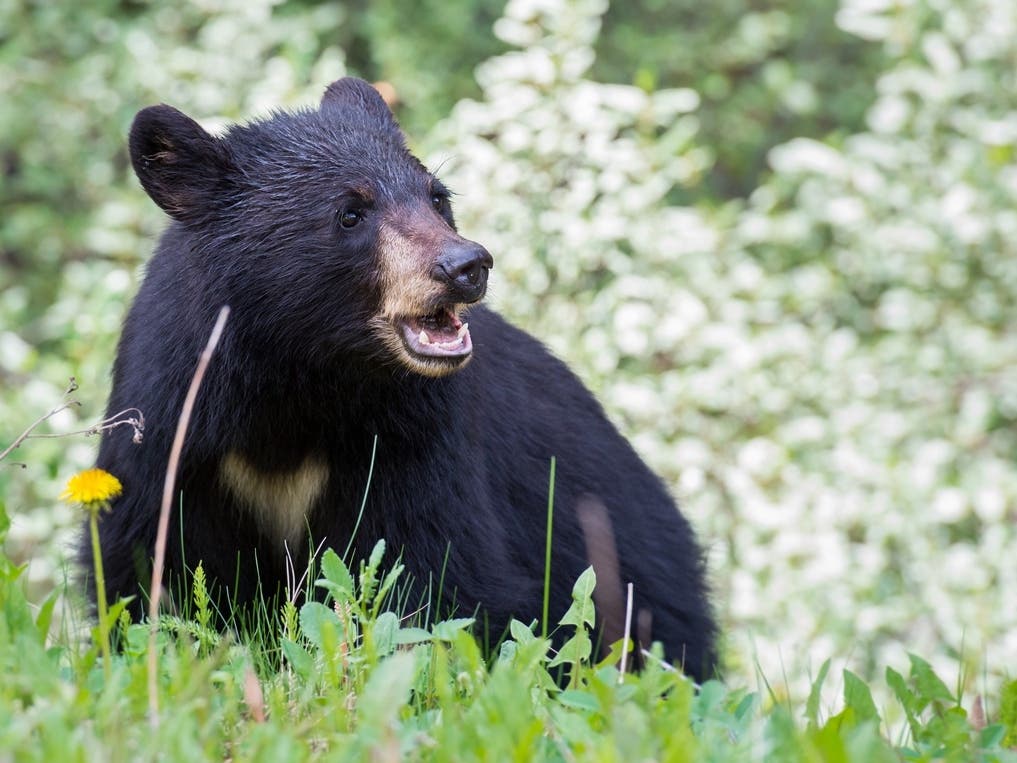
MONROVIA, CA — A mother bear who clawed at a Monrovia woman while she was walking her dog over the weekend has been euthanized despite the objections of residents and city officials.
Authorities said Wednesday the bear is the same one who had similar contact with a Monrovia resident last summer.
The most recent incident occurred on Saturday morning as a woman was walking her dog near the Monrovia foothills. A bear approached the woman and swiped its claw at her, making contact with the back of her knee, city officials said.
Find out what’s happening in Los Angelesfor free with the latest updates from Patch.
A neighbor responded and helped scare the bear away. The woman was treated for minor injuries, the Los Angeles Times reported.
It appears the bear had been living under a nearby house with her two cubs. Residents there had set up a trap to try to catch the bear.
Find out what’s happening in Los Angelesfor free with the latest updates from Patch.
KTLA reported from the scene Sunday morning when a bear, possibly the same one, walked into the frame of the station’s live broadcast.
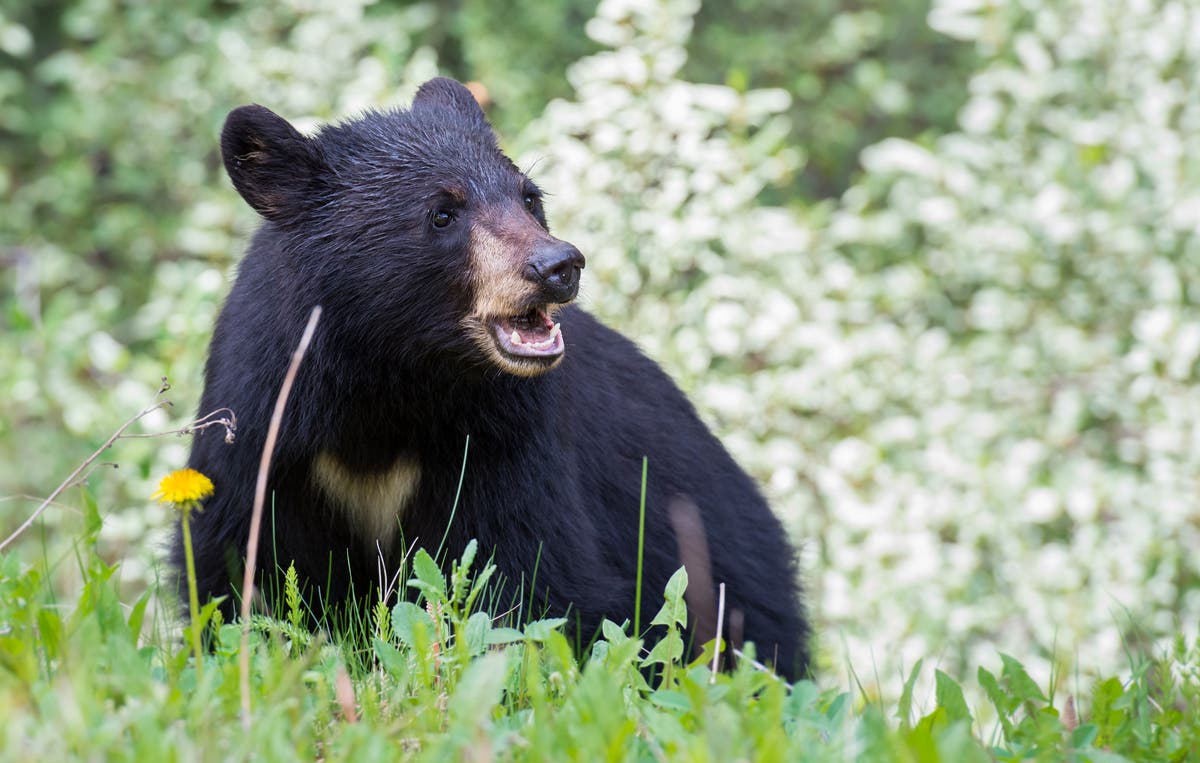 Coexisting with bears is a part of life in Monrovia, which is adjacent to the rugged San Gabriel Mountains. (Shutterstock) Pleas For ‘Blondie’
State officials captured the mother bear at some point that day. She was later euthanized by the state Department of Fish and Wildlife, according to state and city officials.
“The two cubs are healthy and will be relocated to a facility where they can be repopulated back into wildland areas,” City Manager Dylan Feik wrote in a statement.
Feik said the bear was euthanized over the objections of the City Council, which “requested and lobbied for the bear and her cubs to be relocated into the Angeles National Forest.”
“By the time we were able to speak with state officials involved in the decision-making, the decision to euthanize was already made,” Feik wrote.
A Change.org petition urging officials to “save Blondie the Monrovia mother bear and her cubs” had attracted over 3,700 signatures as of Wednesday afternoon.
‘Protection Of Human Life’
State wildlife officials on Wednesday issued a statement defending their decision to put the bear down.
“Anytime there is human-wildlife conflict, the California Department of Fish and Wildlife’s foremost responsibility is the protection of human life and ensuring public safety,” the statement read.
Wildlife officers determined the bear posed a public safety threat following Saturday’s incident, which wildlife officials dubbed an attack.
The decision to terminate the bear followed “thorough assessment of the bear’s behavior and the circumstances of the incident,” according to state wildlife officials, who said killing an animal “is used only as a last resort when an animal poses a risk to public safety and cannot be safely returned to the wild.”
Bear Linked To Past Incident
Authorities confirmed that the bear was also involved in a similar incident in June, according to Feik.
“An elderly Monrovian was sitting on his enclosed porch in the same neighborhood. The bear approached him and swiped at him also causing injury,” he wrote.
State officials at the time were unable to capture the bear, but were able to collect DNA from the injured man’s wound. DNA testing confirmed the same bear was involved in Saturday’s incident, according to Feik.
“Local CDFW officials, as well as those working at state offices in Sacramento, determined the two incidents which caused human injury were sufficient justification to euthanize the bear, according to state policy,” Feik wrote.
The CDFW says the sad outcome and others like it “underscore the importance of prevention.”
“Bears are highly adaptable and will seek out food and shelter when opportunities are present,” officials said. “Securing crawl spaces, removing food attractants such as unsecured trash or pet food and eliminating access to sheltered areas around homes are critical steps residents must take to reduce the likelihood of conflict and habituation. These actions help keep both people and wildlife safe and bears wild.”
The statement went on to say that mother bears teach their foraging methods to cubs, who can learn to associate people and homes with food, creating potentially dangerous encounters.
“Relocation may seem like a solution, but is not an option when it could put public safety at risk. Bears have strong spatial memory and often return to familiar areas,” the wildlife department said. “When translocated long distances, they recreate the same conflict behavior or struggle to survive in unfamiliar habitat. Without humans taking steps to reduce attractants and access to urbanized shelter, the underlying issue remains.”
Life With Bears In Monrovia
Coexisting with bears is a part of life in Monrovia, which is adjacent to the rugged San Gabriel Mountains.
In fact, the likeness of one “particularly bold” 500-pound California black bear is visible across town in the form of statues honoring Samson the Bear. A frequent sight near fruit trees and other sources of food in the 1990s, Samson earned a reputation for his love of taking dips in backyard hot tubs.
In 2024, one resident found himself in a similar situation when he spotted an adult bear and two cubs enjoying a backyard pool — and posted plenty of pictures as proof.
Last year, a suspected mother bear and her cub broke into a woman’s house three times to raid her fridge.
In another recent series of encounters, a bear was spotted leaving a Monrovia home with a package of Oreos in its mouth. That was right around the time that a bear — which may or may not have been the same one — broke into a car to steal groceries, including Oreos.
There are estimated to be roughly 30,000 bears in California, according to the U.S. Forest Service. They are all black bears, although the species can have fur that is blonde, brown or black.
The bears typically avoid confrontation with humans, but, if given access to human food or garbage, they can lose caution, cause damage and become a threat, so it is important never to feed a bear, the agency said.
SEE ALSO:
City News Service contributed to this report.
Get more local news delivered straight to your inbox. Sign up for free Patch newsletters and alerts.