
YOU CAN REPORT IT ON THE CALIFORNIA FISH AND WILDLIFE WEBSITE. AND THOSE SPRINGTIME ALLERGIES ARE IN FULL SWING. THE WARMER WEATHER COULD MAKE POLLEN SEASON EVEN LONGER. KCRA 3’S. JASMINE CORTEZ EXPLAINS WHY MORE ALLERGIES MEAN NATURE IS DOING WHAT IT’S MEANT TO DO. YOU MIGHT NOT EVEN REALIZE THAT THEY’RE WALKING THROUGH FIELDS OF FLOWERING GRASSES, PRODUCING A LOT OF POLLEN. IT’S EASY TO GET DISTRACTED BY THESE WARMER TEMPERATURES, AND RIGHT NOW IT’S REALLY BEAUTIFUL THERE BECAUSE EVERYTHING IS GREEN. BUT LIKE THE SAYING GOES, BEAUTY COMES AT A PRICE. OH MY GOSH. BUT I THINK FOR ME, I JUST GET LIKE ITCHY EYES. YEAH, THE EYE DROPS HELP WITH SACRAMENTO CLIMBING INTO THE 80S AND EARLY 90S, THE PLANTS ARE SENDING A WARNING. WE JUST CAN’T SEE. IF YOU LOOK CAREFULLY, THE STAMENS COVERED IN POLLEN ON THESE UPPER GRASS FLOWERS. KATIE BOLT FROM THE UC DAVIS ARBORETUM SHOWED US THE NATIVE PLANTS IN OUR REGION THAT ARE BLOOMING, CAUSING SOME OF THOSE ITCHY EYES AND SNIFFLES. THESE WOULD HAVE BEEN LOADED WITH POLLEN AND LIKE GRASSES, OAKS ARE WIND POLLINATED SPECIES, SO THAT POLLEN IS EASILY PICKED UP AND GOTTEN INTO THE AIR. A NEW REPORT FROM THE ASTHMA AND ALLERGY FOUNDATION OF AMERICA SHOWS PARTS OF THE WEST COAST ARE SEEING HIGHER POLLEN LEVELS AND A LONGER ALLERGY SEASON. SACRAMENTO ACTUALLY AROUND AVERAGE FOR POLLEN LEVELS THIS TIME OF YEAR COULD BE A TRIGGER FOR PLANTS. THAT SPRING IS HERE. IT’S THE WARMING TEMPERATURES IN THIS YEAR THAT CAME KIND OF EARLY FOR US. AND SO I KNOW FOR ME PERSONALLY, AND I WOULD GUESS FOR A LOT OF PEOPLE, IT’S BEEN AN EARLY START TO ALLERGY SEASON. I’M JOINING YOU RIGHT THERE. AND IT’S NOT JUST US FEELING THE SYMPTOMS. EARLY ALLERGY DOCTORS IN OUR AREA ALSO TAKING NOTICE. THERE ARE LOTS OF MEDICINES THAT ARE AVAILABLE. ANTIHISTAMINES THAT WORK WELL, NASAL SPRAYS, EYE DROPS THAT CAN BE USED DEPENDING ON THE SPECIFIC SYMPTOMS. WE ARE DEFINITELY AT THE BEGINNING OF ALLERGY SEASON. TYPICALLY FOR US, WE START IN EARLY MARCH AND CAN GO THROUGH MAY AND JUNE. SO AS ALLERGIES RAMP UP, NATURE IS DOING WHAT IT’S MEANT TO DO. THESE WHOLE LIKE FOOD CHAIN WEB OF LIFE. ROLE THAT OAKS ARE PLAYING IN ADDITION TO POTENTIALLY CAUSING SOME ALLERGIES. FOR A LOT OF US, SACRAMENTO. SCORTEZ. KCRA. 3 NEWS. DOCTORS SA
Warm weather brings early start to allergy season in Sacramento area
Doctors say allergy season already underway in Sacramento area

Updated: 11:52 PM PDT Mar 18, 2026
As temperatures rise in Sacramento, native plants are blooming and releasing pollen, leading to an early start to allergy season and causing itchy eyes and sniffles among residents.A March report from the Asthma and Allergy Foundation of America shows parts of the West Coast are seeing higher pollen levels and a longer allergy season, with Sacramento around average for pollen levels this time of year.Kitty Bolte with the UC Davis Arboretum says native plants and trees like acacia, grasses and valley oak are in bloom, leading to more pollen in the air.”It has very small, light grains of pollen that have evolved to be picked up by the wind and spread around to other flowers to achieve pollination that way,” Bolte described about the flowering grasses. “And so, of course, something that’s designed to be picked up in the wind, it’s in the air, especially in a windy day, that is making it into your sinuses and causing reactions for a lot of us,” Bolte said.Local allergy doctors like Dr. Rajan Merchant are also taking notice of the early symptoms. “We are definitely at the beginning of allergy season. Typically for us, we start in early March and can go, you know, through May and June,” Dr. Merchant said.Experts recommend antihistamines, including nasal sprays and eye drops, to combat specific symptoms. See more coverage of top California stories here | Download our app | Subscribe to our morning newsletter | Find us on YouTube here and subscribe to our channel
SACRAMENTO, Calif. —
As temperatures rise in Sacramento, native plants are blooming and releasing pollen, leading to an early start to allergy season and causing itchy eyes and sniffles among residents.
A March report from the Asthma and Allergy Foundation of America shows parts of the West Coast are seeing higher pollen levels and a longer allergy season, with Sacramento around average for pollen levels this time of year.
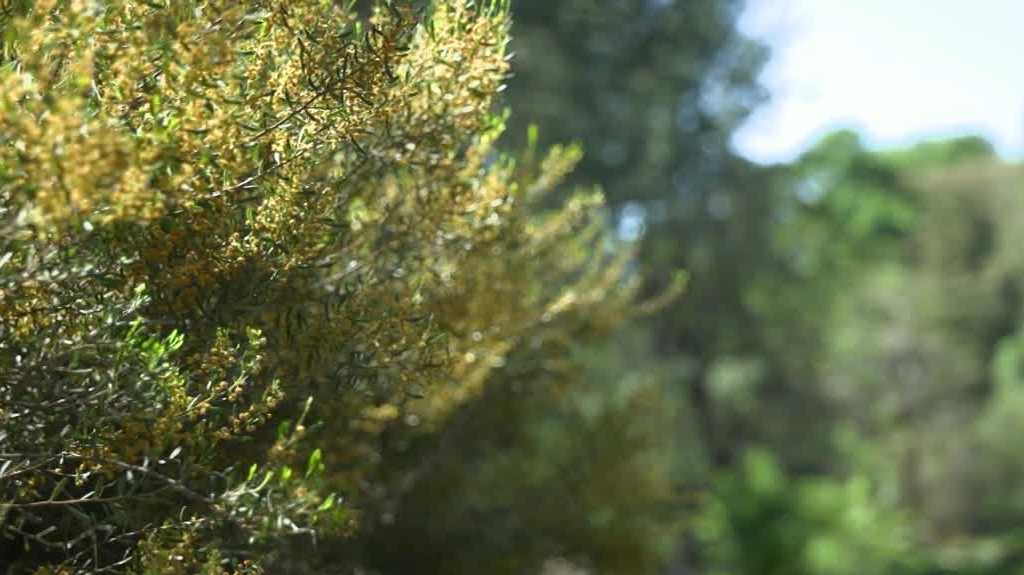
Kitty Bolte with the UC Davis Arboretum says native plants and trees like acacia, grasses and valley oak are in bloom, leading to more pollen in the air.
“It has very small, light grains of pollen that have evolved to be picked up by the wind and spread around to other flowers to achieve pollination that way,” Bolte described about the flowering grasses. “And so, of course, something that’s designed to be picked up in the wind, it’s in the air, especially in a windy day, that is making it into your sinuses and causing reactions for a lot of us,” Bolte said.
Local allergy doctors like Dr. Rajan Merchant are also taking notice of the early symptoms. “We are definitely at the beginning of allergy season. Typically for us, we start in early March and can go, you know, through May and June,” Dr. Merchant said.
Experts recommend antihistamines, including nasal sprays and eye drops, to combat specific symptoms.
See more coverage of top California stories here | Download our app | Subscribe to our morning newsletter | Find us on YouTube here and subscribe to our channel