
By Dan Walters, CalMatters
This commentary was originally published by CalMatters. Sign up for their newsletters.
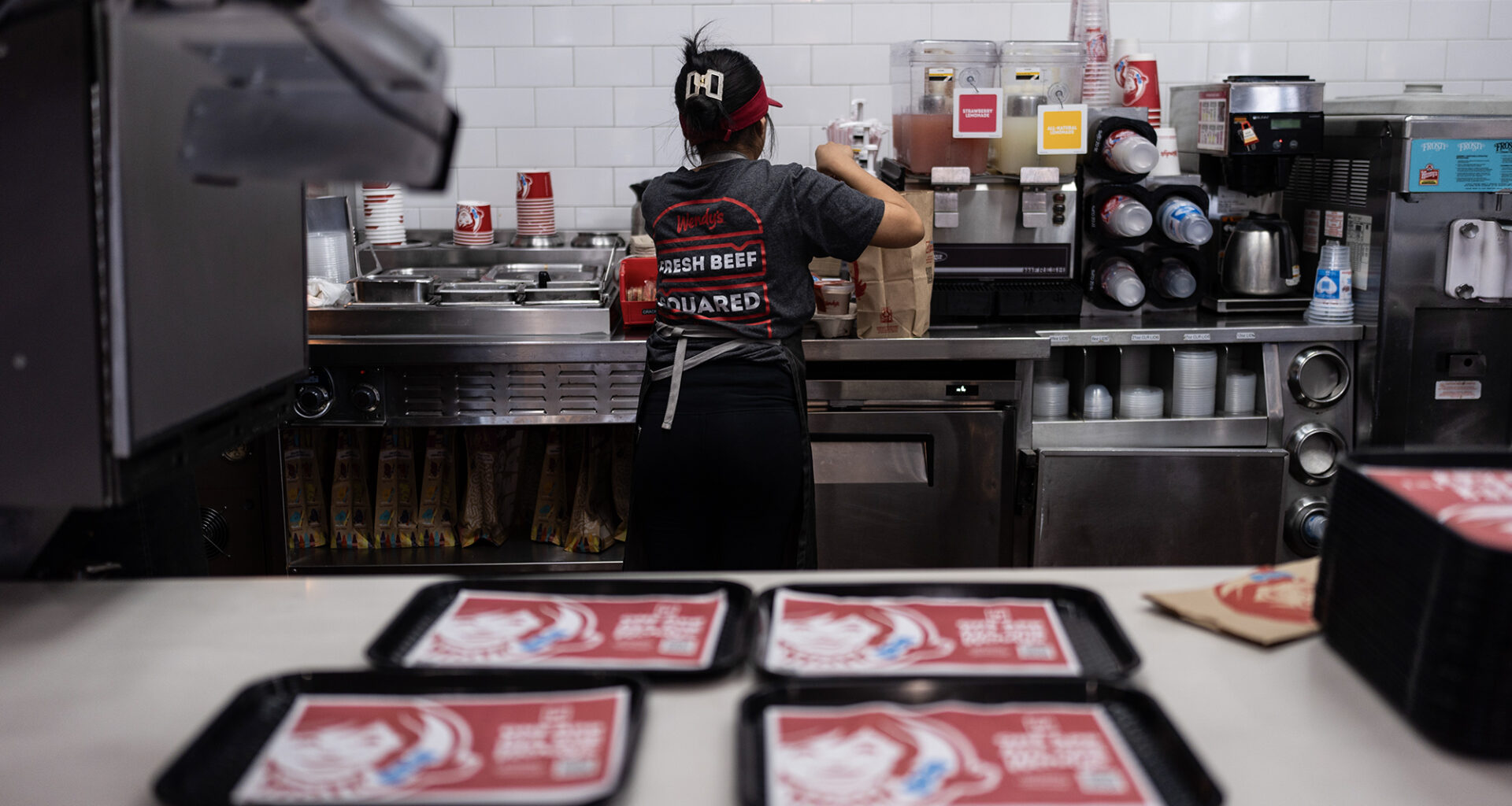
Two years ago, a hotly contested law imposing a $20-per-hour minimum wage on franchised fast food outlets took effect.
The legislation, Assembly Bill 1228, emerged from months of intense political conflict, pitting fast food behemoths such as McDonalds against service worker unions, arguing not only over the wage itself but what the industry saw as an effort to undercut its business model.
Eventually the industry agreed to a higher wage in exchange for unions leaving the franchise system unmolested and the creation of a commission to oversee wages and working conditions.
Ever since, fast food corporations and labor interests have jousted over the law’s impact, with both waving economic reports to bolster their positions.
The industry warned that the FAST Act, as it was dubbed, would push fast food prices upward and employment opportunities downward. Unions and their allies contended it would benefit fast food workers with few, if any, negative impacts.
The situation cried out for independent evaluation, not only to settle the arguments but to provide guidance on the consequences of political intervention on wages in any industry.
Thankfully, we may have that study.
On Wednesday, University of California – Santa Cruz released a real world appraisal of how the $20 mandate has affected owners and employees of fast food franchises. Stephen Owen, an economics lecturer, and a team of undergraduate helpers visited and studied more than 100 outlets in Santa Cruz and the Central Valley and came away with data that seem to validate industry predictions of the effects.
“Implementing the FAST Act and California’s $20 minimum wage for fast food workers under Assembly Bill 1228 has created a multitude of unintended negative consequences between government wage policies and economic realities,” the study declares.
“Employees have been impacted with fewer job opportunities, reduced employee hours, elimination of overtime, and new eligibility challenges for healthcare and other benefits. Automation, such as order kiosks, mobile apps, Artificial Intelligence drive-through ordering systems, as well as other innovative assembly technologies, are being tested and implemented with the goal to reduce labor requirements.”
The research also found that locally owned restaurants, which were not directly affected, experienced pressure to raise wages and increase prices to offset the high labor costs, thus impacting Californians, “especially low-income residents who are reliant on previously more affordable fast food dining options.”
In a footnote, the study criticizes a 2024 paper issued by a UC-Berkeley research team that FAST Act supporters have often cited.
“We find that the policy increased average hourly pay by a remarkable 18 percent, and yet it did not reduce employment,” the UC-Berkeley report concluded. “The policy increased prices about 3.7 percent, or about 15 cents on a $4 hamburger (on a one-time basis), contrary to industry claims of larger increases.”
The UC-Santa Cruz report chides the UC-Berkeley study for failing to include the accelerated use of automation by fast food outlets as they reduced their staffs.
“Based on what we’ve found, I think this legislation is a classic case of ‘no good deed goes unpunished,’” Owen said in a statement accompanying the report. “There are unintended consequences and knock-on effects, and overall, I think the results have definitely not been as positive as policymakers had been expecting.”
Owens’ reference to “unintended consequences” underscores another aspect of the FAST Act and its effects. It’s a classic example of the Legislature’s tendency to make sweeping policy decrees under pressure of current events or in response to special interest demands without fully understanding — or even wanting to understand — their potential consequences or downside risks.
Much of what happens in the Capitol is trying to fix adverse consequences of actions that should have been more thoroughly considered beforehand.
This article was originally published on CalMatters and was republished under the Creative Commons Attribution-NonCommercial-NoDerivatives license.