
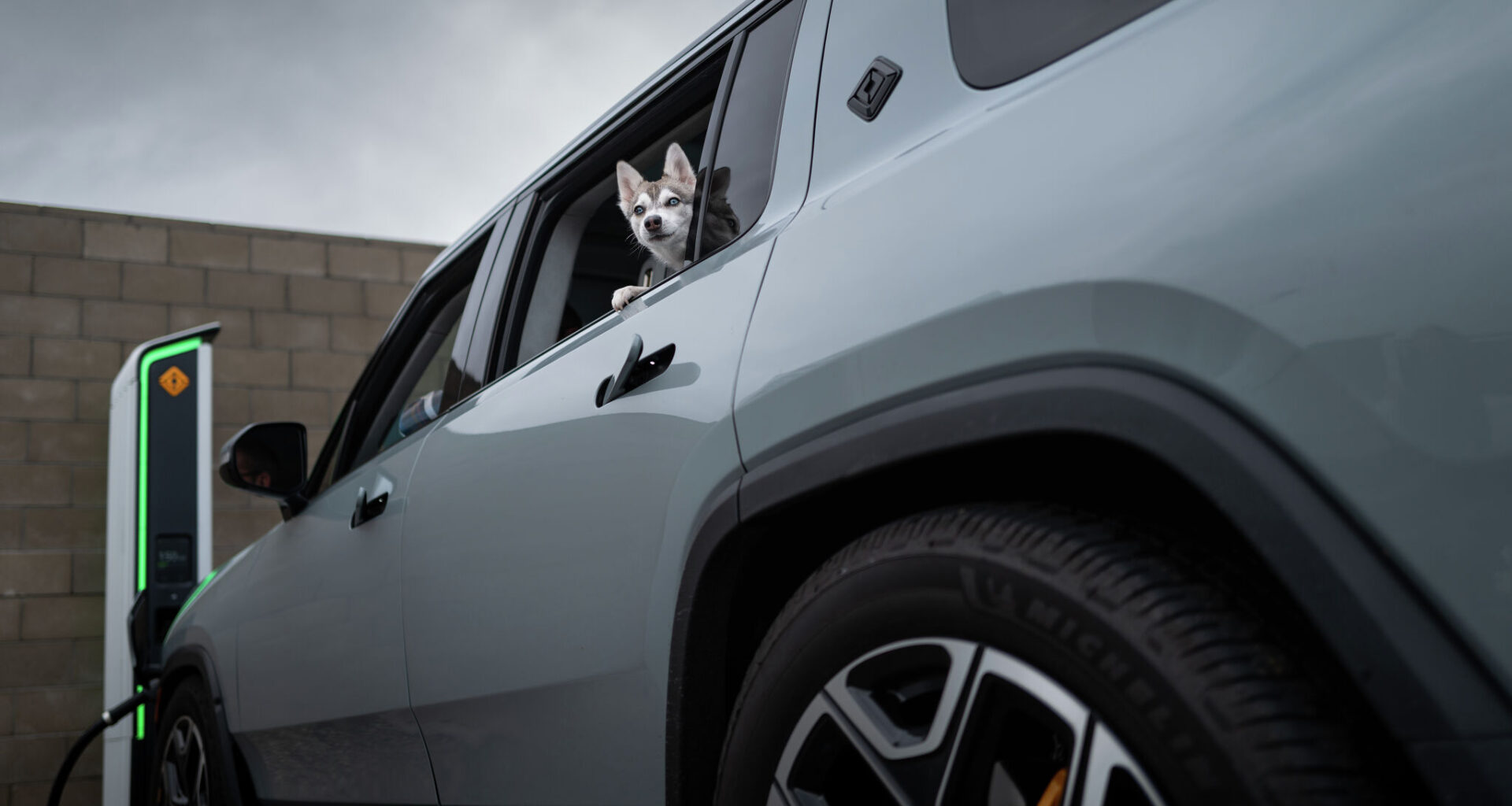
Uber and Rivian have joined forces to bring a new robotaxi to San Francisco streets, one tailored for Mission Bay techies who like the feel of a 4X4 SUV.
Ten thousand self-driving Rivian R2 vehicles will roll out in San Francisco and Miami as soon as 2028, representatives of the two companies said on Thursday. Uber has pledged to invest up to $1.25 billion in Rivian through 2031, by which point the venture would expand to 25 cities, according to spokespeople.
These partners will enter a crowded market dominated by Waymo, with intensifying competition from Zoox and Tesla, among other players. Uber has long run a ride-hail business with human drivers, who vie with Waymo for customers and frequently accuse the AV titan of not playing fairly. This week, unions representing drivers for Uber and Lyft filed a complaint with the California Public Utilities Commission, claiming that Waymo illegally provides rides to unaccompanied minors.
The partnership with Rivian could give Uber a greater edge in an emerging market that threatens to phase out human drivers.
Oft caricatured as a maker of electric trucks for the Patagonia crowd, Rivian began leaning into autonomous vehicle technology last year. In December, the automaker announced a “third generation autonomy platform” with eleven cameras, five radar sensors and one LiDAR, the laser-based remote sensing system that tracks a vehicle’s surroundings.
“We couldn’t be more excited about this partnership with Uber,” Rivian’s founder and CEO, R.J. Scaringe, said in a statement. He predicted that the new financing would help produce “one of the safest and most convenient autonomous platforms in the world.”
Uber CEO Dara Khosrowshahi echoed those sentiments, praising Rivian for vertical integration because the company had designed its vehicle and software together while controlling its supply and manufacturing.