
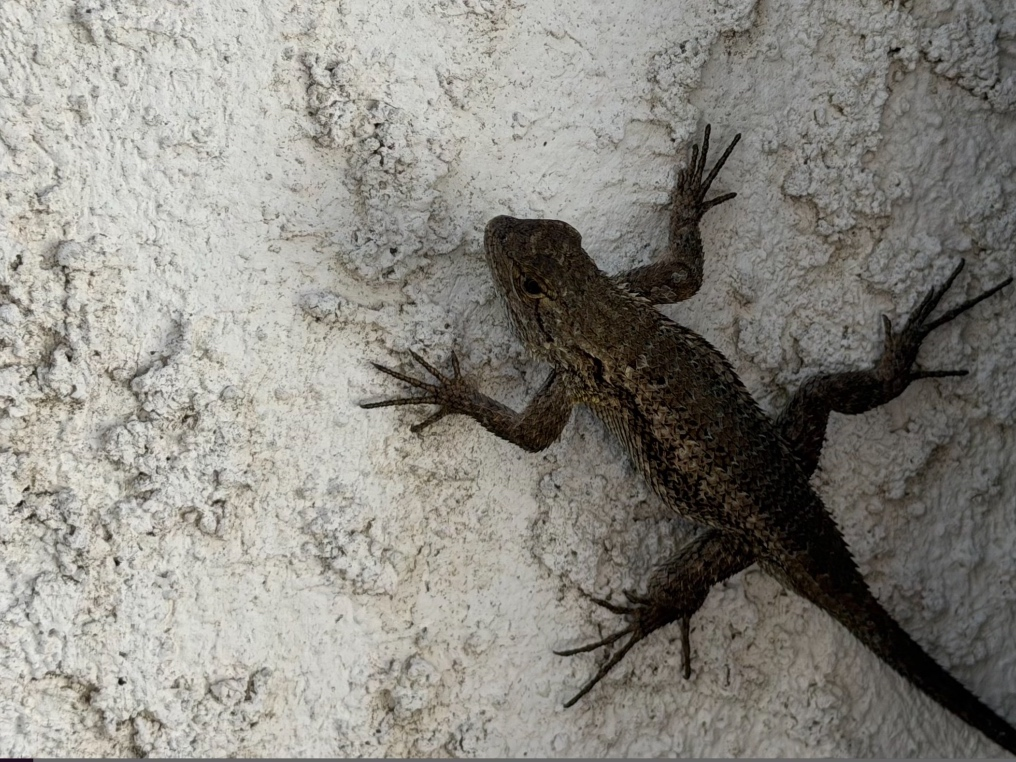
The unseasonably warm temperatures in Southern California this winter have changed the behavior of at least one reptile.
UCLA reptile expert Professor Brad Shaffer told KTLA it was a surprise to find an alligator lizard that had snuck inside one of the university’s buildings.
Shaffer said the small lizards — a frequent sight outdoors across SoCal — have been active earlier than usual this year because of the heat.
Those who come across one of the lizards indoors should coax it back outside, perhaps gently with a broom, he said.
“They’re harmless,” he said. “They’re useful. They belong here, they eat all kinds of insects, including pest insects.”
Alligator lizards range in size from about 3 to 7 inches in snout-to-vent length. They have long tails, sometimes as much as twice their body length, according to the National Park Service.
They prefer living in grassland, open forest and chaparral and can also be found in foothill oak woodlands.
They are omnivorous: they eat various invertebrate species and occasionally on small, young mammals and birds.