
Home » AIRLINE NEWS » Passengers Affected As San Francisco International Airport, USA Sees 67 Flight Delays And 3 Cancellations, Disrupting United, Delta, American Airlines, Alaska Airlines, And Major Routes to New York, Chicago, Los Angeles, Miami, and International Destinations
Published on
March 20, 2026
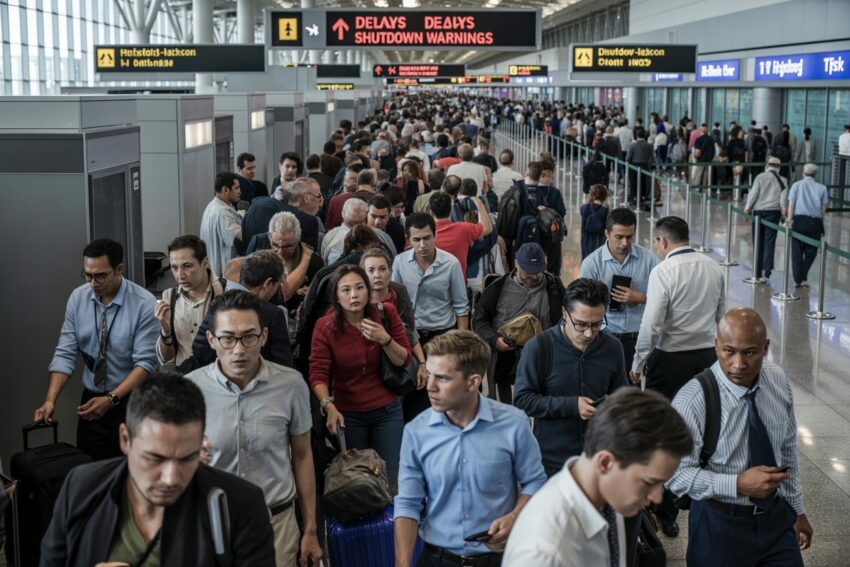
Image generated with Ai
San Francisco International Airport (SFO) plunged into travel turmoil today as 67 flights were delayed and 3 flights were officially cancelled, leaving thousands of passengers adjusting their travel plans around the world. For travellers arriving or departing from the bustling California gateway, what began as a normal day at the airport turned into a test of patience and resilience. Flyers told reporters they felt both frustrated and anxious as departure boards continued to flash new delay times throughout the morning and afternoon. Airlines operating at the airport — including major carriers such as United, Delta, and American — confirmed disruptions on routes across the US and international sectors. Airport officials urged passengers to check their flight status before heading to the airport and to allow for extra time during check‑in and security screening.
FAA Flight Status Confirms Growing Delays at SFO
The official Federal Aviation Administration (FAA) airport status platform reveals that SFO is experiencing general departure and arrival delays, with gate hold and taxi times adding up to significant wait times. Arrival traffic is facing airborne delays, while departure slots are congested as the airport works to manage peak travel demand. The FAA’s real‑time status report does not list destination‑specific delays, but confirms that cumulative delay figures at SFO remain elevated, prompting airlines to reschedule flights and inform passengers directly through mobile alerts.
Inside the Numbers: Tracking SFO Delays and Cancellations
Live data analysed from multiple flight tracking sources shows that 67 flights have been delayed at SFO today and 3 flights have been officially cancelled. These figures reflect departures and arrivals that haven’t met their scheduled times, creating cascading effects on connecting flights and international services. According to real‑time flight tracking platforms, delays at San Francisco International currently average around 40 minutes and rising, indicating that airlines and air traffic control are actively managing aircraft movement but face increased strain due to volume.
What’s Behind the Disruption at San Francisco Airport?
Flight delays and cancellations at major airports can stem from multiple factors: shifting weather systems, traffic volume, staffing levels, airspace constraints, or mechanical issues with aircraft. In SFO’s case, officials stress that congestion around peak hours is a leading contributor. Flights scheduled too tightly together often trigger a ripple effect when even a single departure slips by minutes. While the FAA’s public status information does not attribute the delays to inclement weather today, the accumulation of flights on the ground and in the air has affected scheduling. Airlines have adjusted gate assignments and crews in real time to accommodate the changes.
Advertisement
Advertisement
Passengers Speak: Frustration and Coping Strategies at SFO
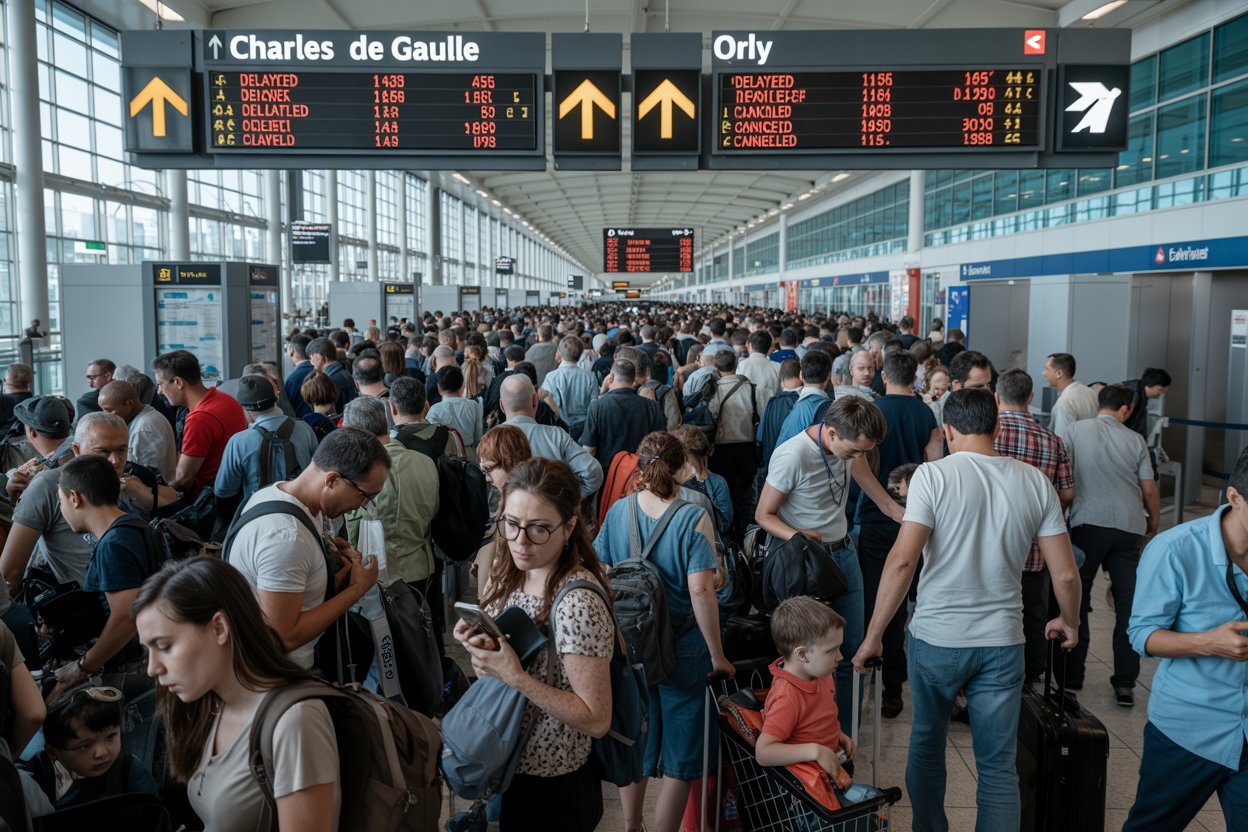
At San Francisco International, passengers described scenes of long queues, anxious families watching departure boards, and travellers making new arrangements after learning of their delayed schedules. Some passengers expressed disappointment, saying they had to miss planned events or miss hotel check‑ins at their destinations. Others tried to stay calm by grabbing coffee or snacks while awaiting updated departure times.
Several flyers emphasised the importance of airlines communicating clearly. One passenger said, “We just want timely updates — that’s all we ask for — so we can plan our next steps.” These human stories highlight the emotional toll travel interruptions can impose on everyday journeys.
Advertisement
Advertisement
Airport Authority Advises Extra Travel Time and Precautions
San Francisco International Airport’s official travel advisory stresses advance planning and early arrival to the terminal, especially for departing passengers. Frequent flyers note that SFO’s security check points and bustling international terminal often require more time than scheduled, and compounded with delays, travellers should arrive at least three hours before departure. The airport’s online guidance recommends that passengers use the free cell phone lot if picking up travellers, follow posted signs for terminal traffic flow, and consult airline apps for the latest flight status updates before heading to SFO.
Connecting Flights and Global Travel Impacted
Widespread delays at San Francisco International ripple through the global aviation network, affecting passengers with onward connections. International travellers bound for Europe, Asia, or South America have reported missing connections due to the delayed inbound flights, while domestic passengers heading to cities such as New York, Miami, or Chicago have seen reorganised schedules.
Advertisement
Advertisement
Today’s disruptions serve as a stark reminder of how one major airport’s operational slow‑downs can reverberate worldwide, affecting tourism, business travel, and cargo movements. Frequent flyers and airline staff alike describe an “all hands on deck” atmosphere as teams work to rebook and support affected passengers.
Tips for Air Travellers at SFO Right Now
If you’re travelling through San Francisco International Airport amidst today’s delays:
Check your flight status regularly via airline apps or airport monitors before departure.Arrive early — at least 2–3 hours before your flight.Stay informed — listen for announcements and monitor gate changes.Pack essentials — snacks, water, and medication, in case of extended waits.Contact your airline for rebooking options if your flight is cancelled.
Staying calm and prepared helps ease the uncertainty that comes with travel disruptions.
Looking Ahead: Will SFO Recover Schedule Normalcy?
Airport authorities and airlines are continuously monitoring flight flow at San Francisco International. Ramp‑up efforts to clear backlogs are underway, and updated schedules hint that delay times could stabilise as the day progresses. However, travellers should remain alert to schedule changes and maintain communication with their carriers.
Whether travellers are heading on holiday, business trips, or visiting friends and family, the SFO flight disruption underscores the importance of flexibility and advance planning in modern air travel.
Final Passenger Voices: A Day to Remember at SFO
For many passengers, today’s experience at San Francisco International Airport will be unforgettable — but not for the usual reasons. As departure times shifted and arrival boards reset, travellers found community in shared challenges, offering smiles, updates, and encouragement.
One departing passenger summed it up: “This delay may change my day, but it won’t ruin my journey. Airlines and airport staff are working hard, and that counts.” Their sentiment captures the human reality behind every delayed flight: uncertainty mixed with optimism, resilience, and the shared hope of safe travel ahead.
