
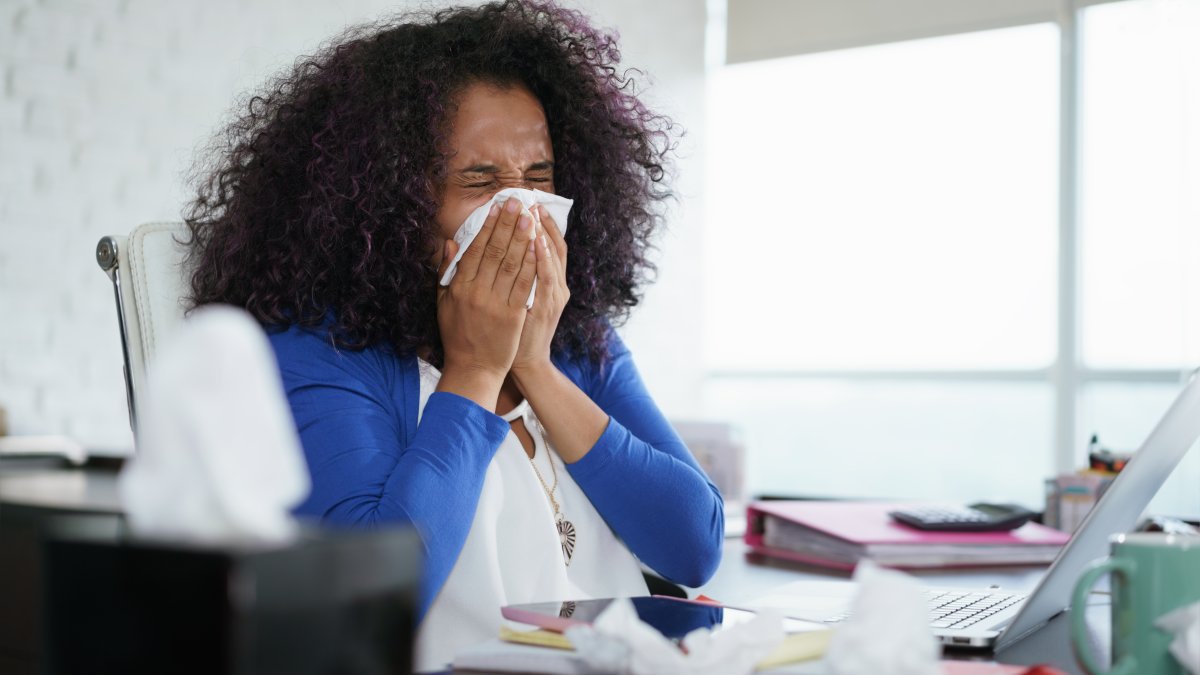
That runny nose? Those itchy eyes? That tickle in your throat? That post-nasal drip keeping you up all night? They all may all be connected to the fact that San Diego is just about the worst place for pollen allergies in all of America.
A recent report by Asthma and Allergy Foundation of America lists San Diego as the No. 2 Allergy Capital in the United States, trailing only Boise, Idaho, certainly a place known more for its flora than coastal California’s southernmost point.
Rounding out the Top 5 are Tulsa, Oklahoma (3); Provo, Utah (4); and Rochester, New York (5).
“Longer, more intense pollen seasons caused by the impact of climate change mean allergy symptoms hit harder and last longer,” reports the AAFA. “Some parts of the United States now experience pollen (tree, grass or weed) year-round. Warmer temperatures also trap heat in urban areas, increasing air pollution and stimulating pollen production.”
NBC 7 spoke with Christine James, an assistant professor of medicine at UC San Diego, about the city’s new dubious distinction, starting with why San Diego is near the top of the list.
“So the overarching issue is climate change, but the three conditions that are related to that — atmospheric rivers, warmer temperatures and drought — have actually made a big difference in terms of our pollen seasons and how they’ve gotten worse for our patients,” James said.
So, for people who feel like their allergies have gotten more intense in recent years? That’s actually real, and it is, in fact, all in your head, and lungs.
“I see this a lot in my clinic because all the patients tell me, you know, years ago, they, yeah, they had allergies, but weren’t, you know, they weren’t that bothersome, but then, more recently, they feel like they can barely function because their allergies have gotten so much worse,” James said. “And again, it’s because we’re just seeing a lot more pollen outside, and then, of course, those seasons are lasting longer.”
Here’s what to watch for and how to distinguish allergies from a cold:
“I think kind of the most common ones would be that stuffy nose, runny nose, itchy eyes, watery eyes — a lot of people will complain of, you know, trying to clear their throat,” James said. “And so, that is stemming from post-nasal drip from the nose, kind of just dripping at the back of the throat.”
James also said allergy season started a while ago, back in December and January, with tree pollen, and that relief from that is not expected until the far end of April. But there’s more on the way.
“Grass will come up in late spring and go through summer, and then weeds come up, you know, late kind of, well, more like a little bit fall, August timeframe, and then they’ll last for another couple months,” James said.
Which takes us back to … nearly December, when it will all start over again.
There are things allergy sufferers can do to minimize their symptoms.
Avoid going outside on high pollen count days
If you do go outside, avoid going out in the afternoon, when the pollen count is higher
Wear sunglasses, a hat or mask outside to protect your eyes and nose
Change your clothes when you come back inside and wash your clothes immediately
Keep your windows closed, running an air conditioner if you need to stay cool
With reporting by NBC 7’s Kasey Trombley — Ed.