
The plan to build California’s largest reservoir in nearly 50 years has cleared one of its last and most fundamental hurdles: tentative approval of the project’s water right.
The State Water Resources Control Board on Friday released a draft permit that conditionally allows Sites Reservoir, a proposed 13-mile-long storage facility 70 miles northwest of Sacramento, to draw water from the Sacramento River.
While not final, the much-awaited decision indicates that state water regulators support the project, which is driven by a coalition of water agencies, and that they will likely sign off on the needed water in the fall. This could pave the way for construction of the $6 billion reservoir to begin as soon as late this year or early next.
Sites Reservoir, which has been in discussion for decades, has been widely supported by cities and farms as well as by state leaders, including Gov. Gavin Newsom. However, some environmental groups and tribal communities have opposed the venture, saying it will take water from an already-stressed watershed, thus harming plants and wildlife — including the state’s biggest salmon runs.
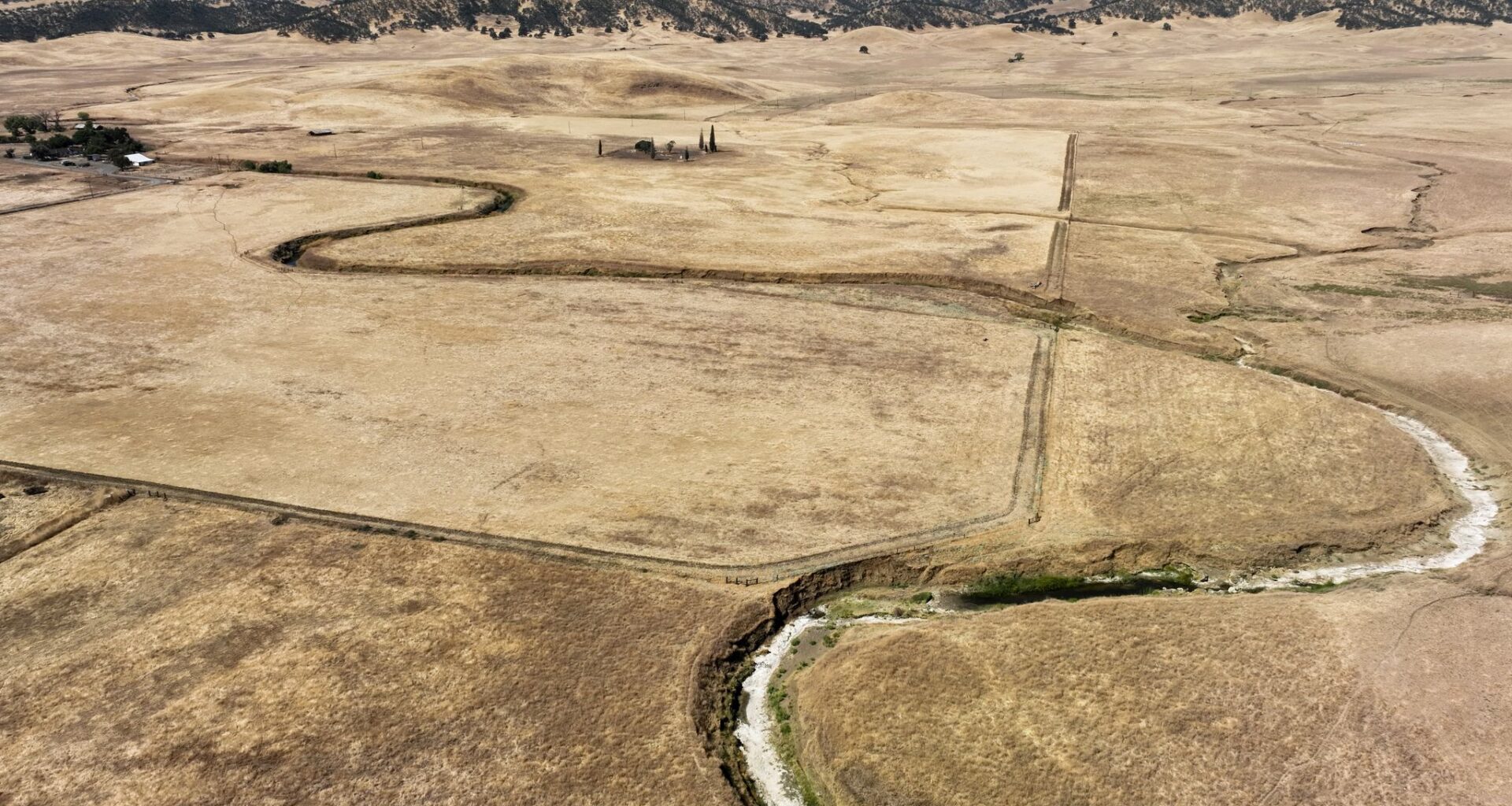
Unlike many reservoirs, the proposed project is designed as an off-stream facility, meaning it would not sit on the Sacramento River but in a rural basin in Colusa and Glenn counties where the allotted water would be piped in for storage. Such arrangements are generally less ecologically destructive.
The reservoir supplies would be reserved for the roughly two dozen urban and agricultural agencies that have committed to helping fund the project, including the Bay Area’s Santa Clara Valley Water District and Zone 7 Water Agency in the Tri-Valley.
The facility would hold up to 1.5 million acre-feet of water, enough to serve more than 3 million households annually. It would be the state’s eighth largest reservoir.
The draft water permit granted to the Sites Project Authority aims to limit withdrawals for the reservoir to periods when the Sacramento River has sufficient flows, thereby doing as little environmental harm as possible.
Under the terms of the draft permit, up to 986,000 acre-feet of water could be taken between Nov. 1 and June 14, but only when flows rise to certain heights at various points on the river.
The Sites Project Authority, a joint powers agency overseeing the reservoir proposal, applied for the reservoir’s water right in May of 2022. The state water board has since held over 32 days of hearings on the application.
Obtaining a new water right is often a difficult and timely process because most of California’s water is already spoken for.
The primary challenge now for the Sites Project Authority is ensuring that the funding comes through. About $1.1 billion is expected from voter-approved water bonds and the rest would come from participating water agencies, which include the federal Bureau of Reclamation.
The Metropolitan Water District of Southern California is the biggest participant. It will pay the most for the facility and receive the most water. The reservoir’s cost is currently estimated between $6.2 billion to $6.8 billion.
Project officials hope to complete the reservoir by 2033.