
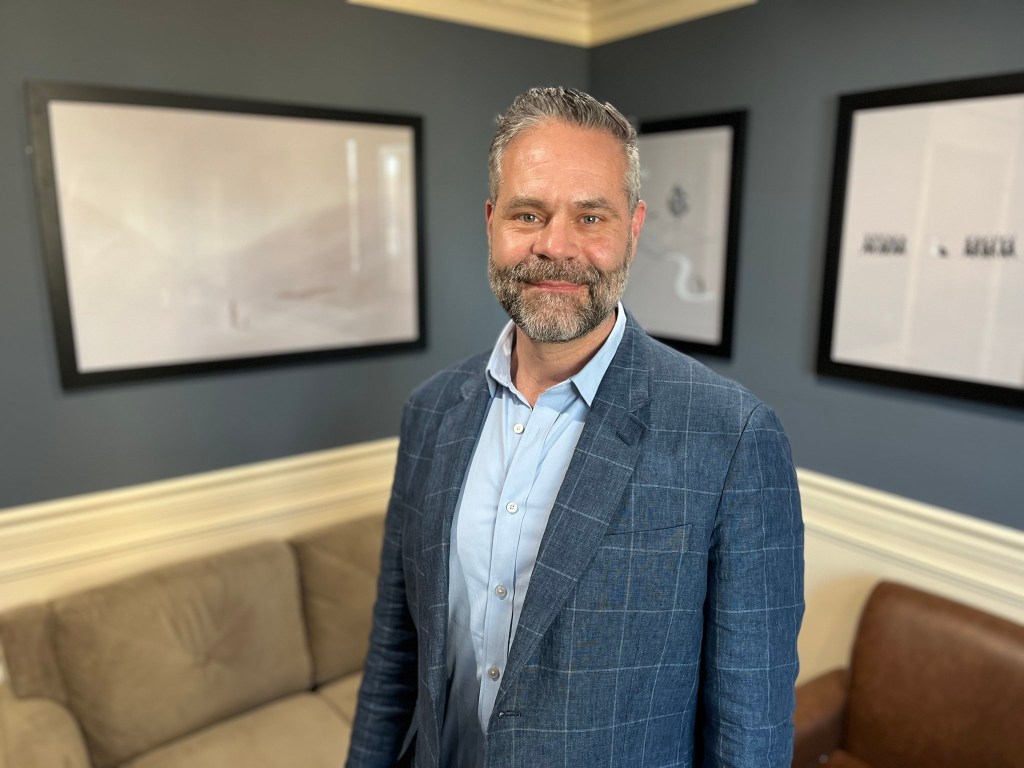
By Darin Weiss
Guest Columnist
In every season of life, one question quietly determines whether we rise with hope or sink into despair: Why am I here?
When people lose their sense of purpose, they often lose far more than motivation. They lose the belief that their lives matter. Without that belief, discouragement and hopelessness can take hold. I have seen this cycle play out countless times among the men and women who come through the doors at Grace Centers of Hope in Pontiac after years of addiction, homelessness, abuse, or broken relationships.
Across Oakland County, many people are working hard to help neighbors who are struggling. Communities, churches, nonprofits, and local leaders are all searching for ways to support those in need of housing, stability, and recovery. These efforts are vital. But the deeper truth we encounter every day is that recovery alone is not enough. People also need reinvention. They need purpose.
It is easy to assume that economic hardship is the primary driver of addiction or homelessness. Certainly, access to education, employment, and affordable housing plays an important role. But beneath those visible needs are deeper struggles: fractured families, lost confidence, lack of direction, and a profound sense that life has no meaning.
When someone believes they were created for nothing, they often begin to live as if nothing matters — including their own life.
As a faith-based organization that has served Pontiac and Oakland County for decades, Grace Centers of Hope approaches recovery from a broader perspective. We believe every person has inherent worth and the potential for transformation. Brokenness is not simply behavior to manage; it is identity that must be rebuilt.
That belief shapes everything we do.
Recovery and reinvention
At Grace Centers of Hope, we talk often about the difference between recovery and reinvention. Recovery focuses on what someone must stop doing. Reinvention focuses on what they are called to become.
People don’t just need something to avoid. They need something meaningful to pursue.
One of the most powerful ways someone rediscovers purpose is through accomplishment. That’s why every resident in our long-term program who does not already have a diploma works toward earning a GED — even if they are in their 40s or 50s.
On the surface, that may sound like a practical step toward employment. But the impact goes far deeper.
For someone who has spent years believing they are a failure, completing a GED proves something profound: they can finish something meaningful. It reminds them their past does not define their future. As we approach a milestone of 75 GED graduates in our program, we have watched men and women walk across the stage with tears in their eyes — not just because they earned a credential, but because they began to realize their past failures did not limit what God could do through them.
Education just one part of the solution
Education opens doors, but it is only one piece of the larger picture.
Our goal is not simply to help someone land an entry-level job and struggle paycheck to paycheck. We want them to build a future — one where they can support their families, become stable members of their community, and even help others walking the same road.
Many residents discover that their past experiences equip them to guide others. Someone who has overcome addiction can mentor someone still trapped in it. A mother who has rebuilt her life can help another find hope in the middle of chaos.
Purpose grows when people begin serving others.
That is why service and mentorship play such an important role in lasting recovery. Whether it is volunteering, helping others in recovery, or giving back to the community, people rediscover meaning when they realize their story can help someone else.
As Oakland County continues addressing challenges related to housing instability, addiction, and poverty, it is important that we support programs that treat the whole person — not just the immediate crisis. Shelter, food, and treatment are essential starting points, but long-term change requires restoring confidence, discipline, relationships, and purpose.
For decades, Grace Centers of Hope has walked alongside people in Pontiac and throughout Oakland County who are rebuilding their lives. The transformation we see is not simply about sobriety or stability. It is about rediscovering identity and hope.
Everyone reading this likely knows someone who feels lost or discouraged. The most powerful thing we can do is help people rediscover their purpose. Encourage them. Invest time in them. Walk beside them as they rebuild.
When someone realizes their life has meaning, hope returns — and an entirely new future becomes possible.
Darin Weiss is CEO of Grace Centers of Hope, a Pontiac-based nonprofit serving Oakland County through long-term residential programs, education, and life-skills training that help men, women, and families overcome homelessness, addiction, and abuse.