
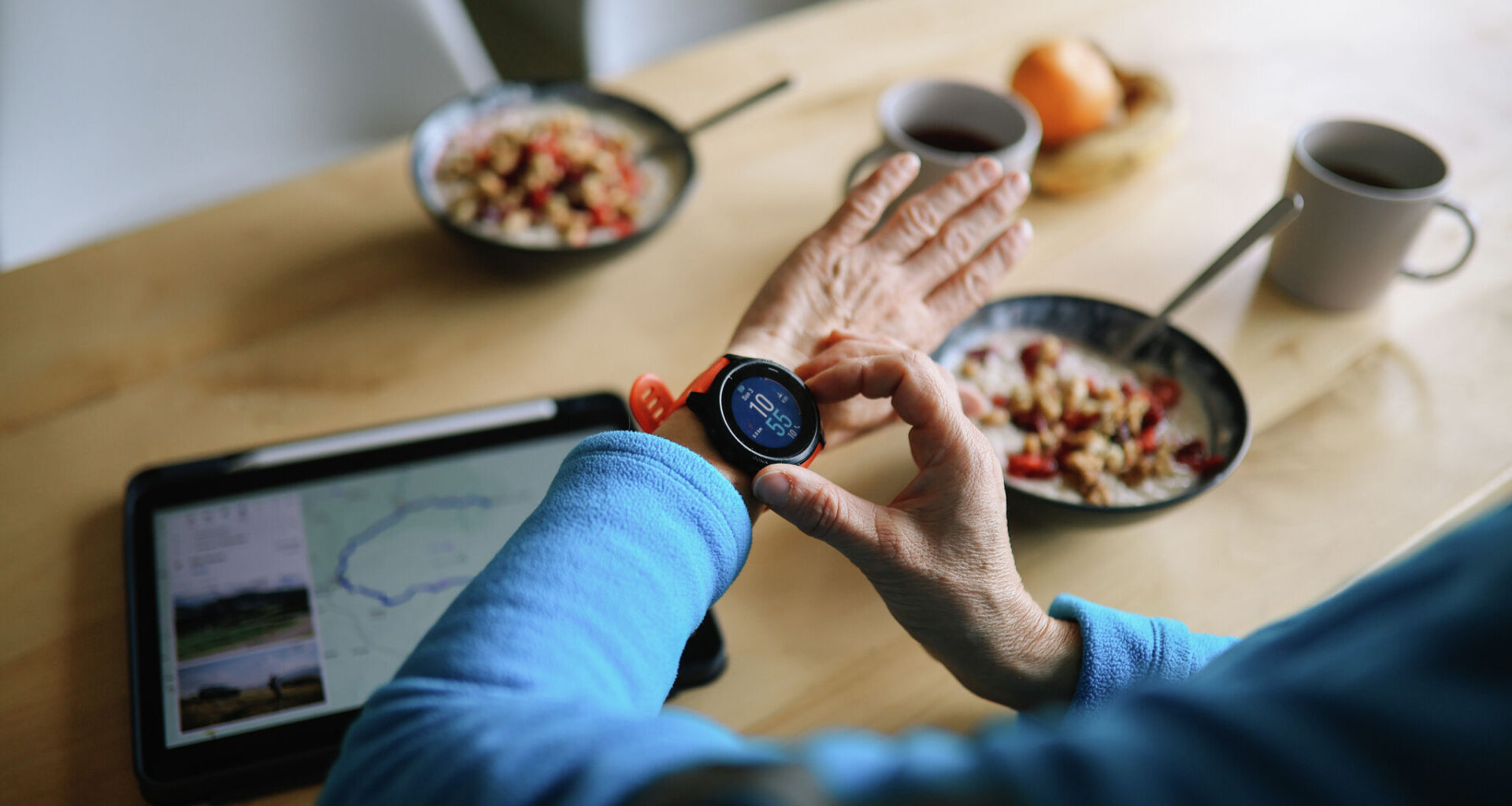
Exercise and avoiding ultra-processed foods are ways to promote a healthy gut microbiome as you age, experts say.
lechatnoir/Getty ImagesNew research shows the gut microbiome may influence memory, cognition and healthy aging, with some older adults having gut profiles similar to much younger people.Studies link lower gut microbial diversity in older adults, especially those in care facilities, to increased frailty and health risks.Experts recommend a high-fiber, whole-food diet and regular exercise to support gut microbiome diversity and overall health as people age.
The gut microbiome — the trillions of bacteria, viruses and fungi that live in your gastrointestinal tract — is having a moment.
Research into the field, which is only about 20 years old, is booming, generating excitement among scientists and a curious public.
Article continues below this ad
“That is still a very young field, but we’ve made incredible headway in that short period of time,” said Susan Lynch, director of the UCSF Benioff Center for Microbiome Medicine. “Moving from thinking of microbes as something that were ancillary to really beginning to understand how much they shape health.”
The GI tract runs from the mouth to the anus and includes the stomach, small intestine and colon. The most diversity and density of microbes is in the colon, or distal gut. Disruptions in the gut microbiome have long been linked to GI disorders like inflammatory bowel disease, ulcerative colitis and colorectal cancer.
Increasingly, the gut microbiome is also being linked to conditions that at first glance appear to have little to do with the GI tract directly, such as obesity, allergies, asthma, heart disease, autoimmune disorders and metabolic diseases.
San Francisco Chronicle Logo
Make us a Preferred Source to get more of our news when you search.
Add Preferred Source
“The microbiome is really a driver of many diseases, telling us it is a critical component of health,” Lynch said.
Article continues below this ad
More recently, a growing number of studies suggest that the gut microbiome may also play a key role in healthy aging and aging-related conditions. A recent Stanford-led study found that changing the composition of the GI tract can improve memory and cognition in mice. This adds to previous research suggesting that the gut microbiome may play an important role in regulating cognitive decline.
Researchers have also found that some centenarians had gut microbiomes more akin to those of people decades younger — their gut had higher concentrations of a metabolite that compels the body’s immune cells to get rid of proteins that cause neurodegeneration. This suggests there may be a connection between microbiome composition and “health span” — the length of time we remain active, independent and disease-free.
Here’s what to know about the gut microbiome and aging:
What does the gut microbiome do, and why is it important for overall health?
Microbes in the gut interact with the body to ramp up or ramp down the immune system, which, in turn, shapes human health, Lynch said.
Article continues below this ad
The microbiome converts plant fibers in food into short-chain fatty acids, a critical energy source for cells that line the gut. They are anti-inflammatory and anti-proliferative, meaning they stop cells from dividing and becoming too numerous.
“You can think of the distal gut or colonic microbiome as the metabolic powerhouse of the human body,” she said.
Many studies have found an association between the gut microbiome and various diseases, but it’s not always clear whether changes in the microbiome happen first or if the disease happens first and causes changes in the microbiome.
“We don’t always know if microbiome changes precede the onset of disease, or if microbiome changes are a consequence of the disease,” said Christoph Thaiss, an assistant professor of pathology at Stanford and senior author on the recent study on the microbiome and cognitive function in mice.
How does the gut microbiome change as we age?
Everyone is born with a simple gut microbiome that evolves over time. The composition of the gut microbiome does change with age, but the specifics — like which specific bacteria become more or less plentiful, and the consequences of those changes — are still being studied, and can vary greatly from person to person.
Article continues below this ad
“The microbiome is extremely heterogeneous to start with,” Thaiss said. “Many have concluded that the microbiome composition is like an individual’s fingerprint. There’s little overlap from person to person. If the starting composition is so different, how the GI community evolves over the decades would also look very different.”
Researchers are learning a lot about gut microbiome diversity in babies and how it can predict disease later in life, which may lend clues on how to rebuild the gut microbiome in older adults, Lynch said.
For instance, researchers have found that infants with a less mature or slowed diversification of gut microbiome have a higher risk of developing allergies and asthma, and that babies with accelerated diversification of gut microbiome are more likely to develop obesity. That suggests there’s a “Goldilocks effect in early life diversification,” Lynch said.
“I think we’re not too far away from thinking about how to manipulate the gut microbiome in older populations to promote health span and life span,” Lynch said. “We’ve been doing this in infants — that’s why I’m optimistic for later stages of life.”
What can I do to promote a healthy gut microbiome as I age?
A healthy gut microbiome in the lower gut is generally considered one that has a diversity of microbes. Aging into older adulthood is associated with less microbial diversity, and the faster you lose bacterial diversity, the more likely you are to be frail, Lynch said.
Article continues below this ad
Older adults who live in long-term care facilities often have less microbiome diversity than their peers who live in the community, possibly because they’re exposed to a different type of diet and lifestyle.
The general consensus is you should try to prioritize behaviors and foods that promote diversity in the gut, and minimize things that deplete it.
Things associated with loss of diversity in the microbiome are anti-microbials (antibiotics), ultra-processed foods and lack of exercise, Lynch said. Stress and depression also affect the microbiome in ways that affect immune response.
Lynch recommends focusing on “all the things that we’ve been told for many decades are good for us — eating whole foods, eating a high-fiber diet, avoiding processed foods, these all shape the microbiome,” she said. “In particular, anti-microbials and processed foods are associated with greater loss of diversity in the gut microbiome.”
In early life, taking anti-microbials can disrupt the microbiome at a critical period in its development and raise the risk of developing allergies and other diseases later. Similarly, taking anti-microbials in later life, when the microbiome is disassembling, can also increase the risk of bad outcomes.
That doesn’t mean you should completely avoid antibiotics, which can be lifesaving, Lynch said. Healthy adults’ microbiomes are resilient and can withstand some perturbances. But common and frequent perturbances over time, like a poor diet over decades or repeated rounds of anti-microbials, can cause long-term loss of critical microbes and functions necessary for promoting health, she said.