
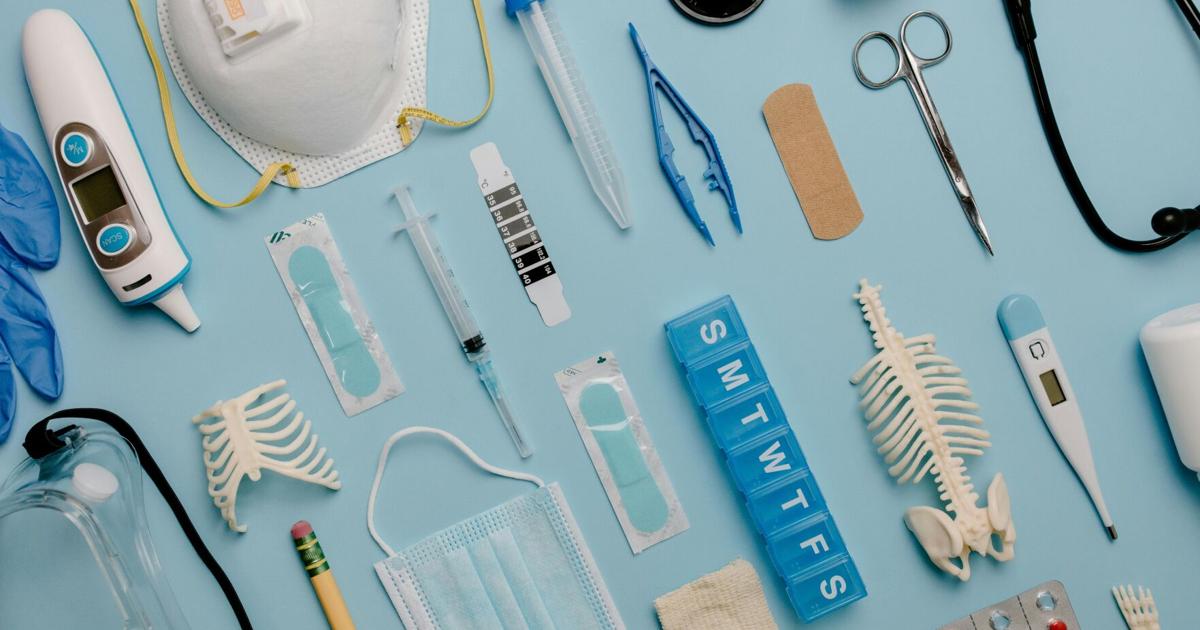


A hospital routinely generates unused supplies, known as medical surplus. However, when they remain useful for patient support and community health, redistribution creates a pathway for those materials to continue serving the care needs of patients and clinics that can use them.
As MedCycle Network partners with UCSF Health, they share a commitment to finding responsible solutions for medical surplus. Their partnership provides an immediate and meaningful way to divert medical supplies from landfills, all while putting them to good use locally.
How Local Distribution Aids Smaller Clinics
The UCSF Health Sustainability team has developed internal systems to facilitate the collection of supplies from various hospitals and clinics. However, according to Isabel Navarrete, a sustainability analyst at UCSF Health, multiple barriers exist in certain partnerships that create challenges.
“Things like identifying high-need items, coordinating deliveries with clinics, and handling the logistics of distribution requires a great deal of time and infrastructure,” Navarrete shares. “MedCycle Network helps connect us to various Bay Area clinics and manage the sorting, matching, and delivery of items.”
According to Tania Estrada, the Executive Director at The Women’s Building, 25,000 community members walk through their doors each year. The supplies they receive through partnerships, such as those with MedCycle Network and UCSF Health, make a monumental difference in patients’ lives.
“Partnerships like this make a real difference,” Estrada says. “We are deeply grateful to MedCycle Network for helping equip our building with essential supplies and equipment that allow us to care for our community with dignity and readiness.”
The Idea of Scaling the Concept Across Regions
The idea of repurposing medical surplus isn’t uncommon. However, Isabel Navarrete is clear that these programs require two key elements to function properly to do so at scale.
“From the donor hospital, strong leadership support and internal champions are critical to establish workflows and align the program with broader sustainability initiatives,” Navarrete says. “Equally important are partner organizations like MedCycle Network that can manage the logistics of collecting, sorting, and redistributing supplies.”
Together, these partnerships make hospital-to-community supply distribution work effectively, and for organizations like The Women’s Building, which often operate with limited budgets, redistributing medical surplus can serve as a lifeline to those who need them.
“Receiving surplus medical supplies makes a meaningful difference for The Women’s Building,” Estrada says. “It allows us to direct more of our funding toward outreach, programming, and direct services rather than purchasing supplies.”
Those who work at The Women’s Building understand that healthcare doesn’t end when someone leaves the hospital, nor does access to treatment. However, when major health systems such as UCSF Health collaborate with smaller organizations, it helps bridge the gap between clinical care and the real-life barriers people face in accessing services.
“Working together strengthens the broader safety net and helps move us closer to more equitable care,” Estrada adds.
In the end, working together and sharing resources allows small organizations to address not just public health issues, but also expand access to essential supplies, all while supporting those who need it most.
“This Women’s History Month, we are honored to be delivering high-quality surplus medical supplies from UCSF Health directly to the Women’s Clinic at the historic San Francisco Women’s Building, one of our city’s most beloved community spaces. When a world-class health system and a landmark women’s organization collaborate to ensure our neighbors have what they need, that’s San Francisco at its best. That’s what MedCycle Network is here to support,” said Eric Talbert, CEO and Co-Founder of MedCycle Network.
To learn more about volunteering to sort medical surplus at UCSF Mission Bay talking place on Wednesday, March, 25th, click here.
*The San Francisco Weekly newsroom and editorial were not involved in the creation of this content.