
Home » Cruise News of America » U.S. Cruise Line Cancels Multiple Fall 2026 Sailings, Shaking Up Long Beach to Baja Travel Plans for Global Tourists
Published on
March 25, 2026
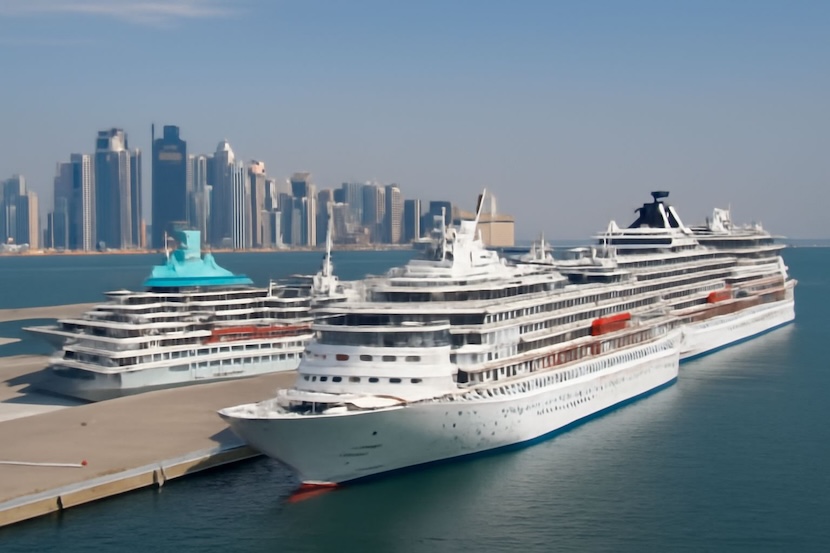
Image generated with Ai
A major U.S. cruise operator has revised its 2026 autumn programme by cancelling several scheduled sailings. The adjustment affects a set of planned voyages that were originally designed to offer short coastal holidays for leisure travellers. Around a dozen itineraries have reportedly been removed from the schedule, creating disruption for passengers who had already made bookings or were planning future trips.
The decision highlights how dynamic cruise scheduling can be, especially when companies reassess demand forecasts and operational priorities. While cancellations are never ideal for travellers, cruise lines often adjust timetables well in advance to minimise inconvenience and provide alternative options where possible.
Long Beach to Baja Routes See the Biggest Changes
The most noticeable impact of the revised schedule is on sailings departing from Long Beach, California, with routes heading towards the Baja California coastline in Mexico. These short-duration cruises are popular among travellers seeking quick ocean getaways without long international travel commitments.
With several departures now removed, the number of available autumn 2026 options on this corridor has reduced. This has particularly affected weekend and short-break cruise travellers who rely on these itineraries for convenient holiday planning. Despite the cancellations, the route itself is not expected to disappear entirely, and future sailings may still operate based on revised deployment plans.
Advertisement
Advertisement
What Affected Passengers Can Expect Next
Passengers who have already booked the cancelled sailings are generally expected to receive standard compensation options. These typically include full refunds, rebooking on alternative cruise dates, or future cruise credit depending on the operator’s policy.
Travel agencies and booking platforms are also assisting customers in finding replacement itineraries. However, travellers may face limited availability during peak travel periods, which can lead to adjustments in travel dates or cruise length.
Advertisement
Advertisement
Industry guidelines followed by many operators recommend transparent communication and timely resolution for affected customers, helping reduce uncertainty during itinerary changes.
Why Cruise Lines Adjust Sailing Schedules
Cruise schedule changes are not unusual in the global tourism industry. Companies frequently reassess their itineraries based on a range of operational and commercial factors. These include seasonal demand, fuel efficiency, port agreements, and fleet redeployment strategies.
Short coastal routes such as those between California and Mexico are particularly sensitive to changes in booking patterns. If demand shifts or operational costs rise, cruise operators may choose to modify or temporarily suspend selected sailings.
Such decisions are often made to optimise overall fleet performance and improve occupancy rates across different regions. While this can disrupt individual travel plans, it is part of broader industry management practices.
Broader Impact on Cruise Tourism and Travel Planning
The cancellation of several sailings has wider implications for cruise tourism planning, especially for international travellers. Many visitors from Europe, Asia, and other regions combine West Coast cruises with land-based travel in the United States and Mexico.
Changes in cruise schedules can therefore affect connecting flights, hotel bookings, and multi-country itineraries. Travel experts recommend that passengers monitor updates closely and choose flexible booking options where possible.
Travel insurance policies that cover itinerary changes may also provide added protection, particularly for long-haul travellers who plan trips well in advance.
Outlook for Cruise Travel in 2026 and Beyond
Despite the disruption caused by schedule adjustments, the overall cruise industry continues to show strong global demand. Short regional cruises remain especially popular among families, first-time cruisers, and travellers seeking convenient holiday experiences.
Operators are expected to continue refining their 2026 deployment strategies as booking trends become clearer. In many cases, cancelled sailings are replaced by alternative routes or adjusted seasonal offerings.
For travellers, the key takeaway is the importance of flexibility and early awareness. While changes like these can be inconvenient, they also reflect a highly adaptive industry responding to evolving global travel conditions. Cruise holidays remain a significant part of international tourism, with strong prospects for continued growth in the coming years.
