
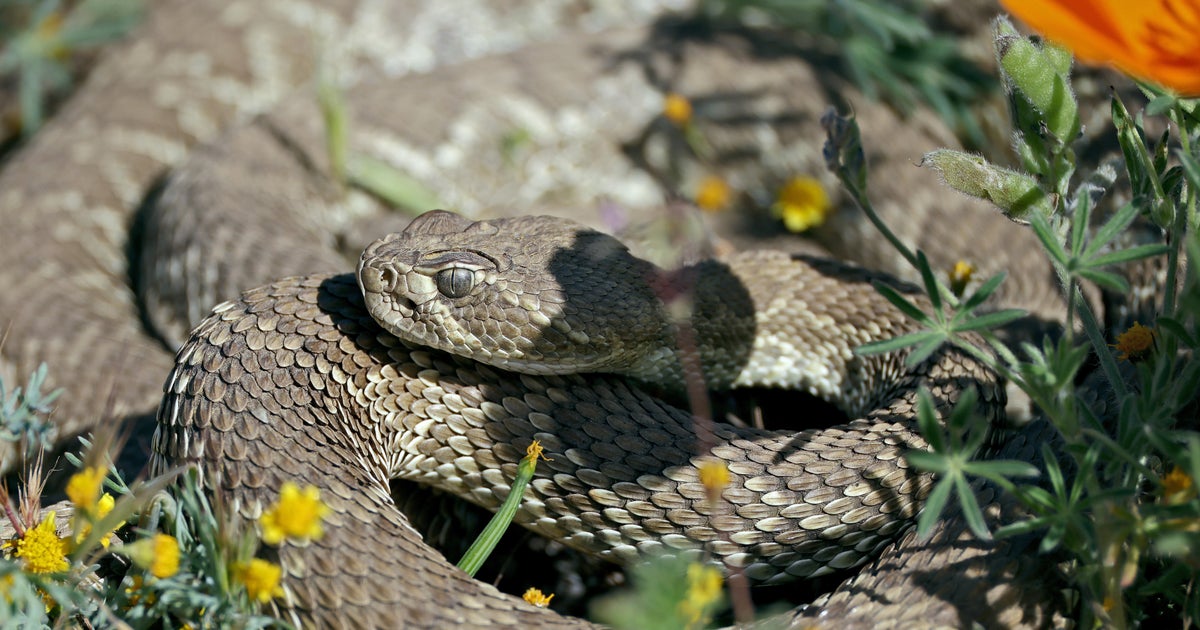
The U.S. Forest Service has issued a warning regarding an increase in rattlesnake sightings in Southern California, especially after two deadly bites were reported in the last few weeks.
In a social media post, the USFS San Bernardino National Forest rangers reminded hikers and outdoor enthusiasts to be wary while exploring nature due to the increased temperatures and arrival of spring weather.
“As temperatures rise, rattlesnakes become more active in the forest,” the USFS’s post said. ” Stay alert, watch where you step and keep pets close.”
Southern California encounters
Since the beginning of the year, hikers have already reported rattlesnake encounters near a Moreno Valley hiking trail in Riverside County, where someone was bitten and required hospitalization.
There have been deadly incidents reported in both Orange County, where a man was bitten while mountain biking in Irvine, and Ventura County, where a 46-year-old woman died from “rattlesnake venom toxicity in an accidental manner.”
“If you encounter a rattlesnake, give it plenty of space and calmly move away,” the social media post said. “Never attempt to touch or disturb wildlife.”
USFS officials credited the increase in encounters to elevated temperatures and abnormally sunny conditions as opposed to the typical winter weather that Southern California sees.
They said that snakes can use their full length to strike, sometimes equating to more than five feet.
Treating rattlesnake bites
Officials advised anyone bitten by a rattlesnake to:
call 911 and seek immediate medical attentionkeep the bite victim still as movement allows venom to spread through the body more easilykeep the injured body part motionless and lower than heart levelkeep the victim warm and at restrefraining from food and drinkcover the bite with a clean, dry dressing
They also urged people to avoid using a tourniquet, slashing at the wound with a knife, sucking out the venom, using ice or immersing the wound in water, drinking alcohol as a painkiller or drinking caffeinated beverages.
Officials warned that people should not wait for symptoms of a bite to appear before seeking medical attention. However, they provided a list of different signs that someone may see if they are bitten by a rattler, including:
puncture marks at the woundredness and swelling around the bitesevere pain at the site of the bitenausea and vomitinglabored breathingdisturbed visionincreased sweating and salivationnumbness or tingling in the face and/or limbsSpotting and avoiding rattlesnakes
While Southern California is home to several species of rattlesnake, the most common are typically the Western Diamondback and Southern Pacific Rattlesnakes, according to the California Department of Fish and Wildlife.
Aside from their infamous rattle, rattlesnakes can be identified by their broad and diamond-shaped head. They usually have spotched markings that appaer separated by lighter colored stripes that become smaller and narrower towards the tail, which is tipped with a paper-like noise-producing rattle, USFS officials said.
While they typically hide during the cold winter months, snakes venture out during warm weather. They usually hide in shady spots during the hottest parts of the day and begin hunting either in the early morning or evening. Officials advised that rattlesnakes can swim as well.
In order to avoid rattlesnakes, USFS rangers said that people should not tease or harass any wildlife, keep a distance of at least six feet if a rattler is spotted, stay on trails and watch where stepping or placing your hands when hiking or climbing over obstacles, avoid tall grass and piles of leaves and wear long pants and proper foot gear.