
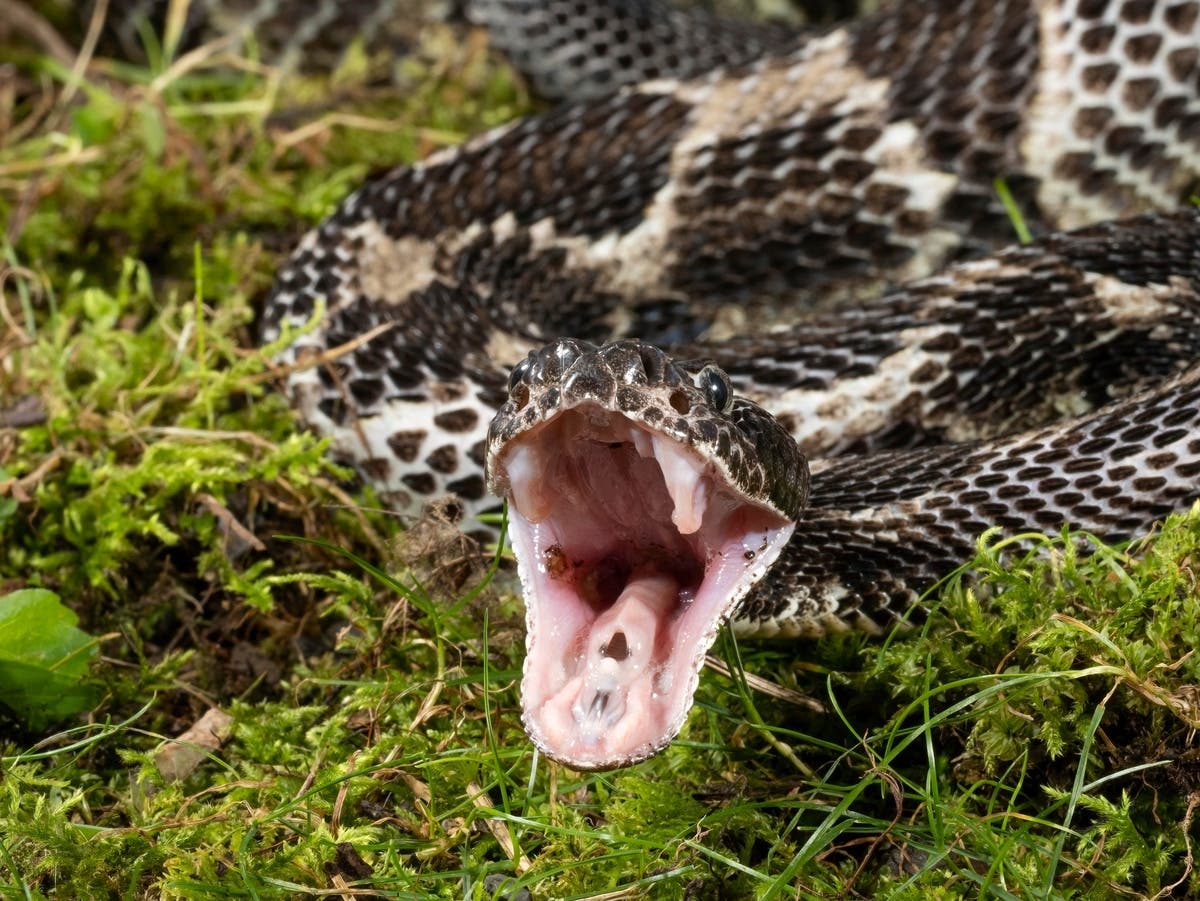
Unseasonably warm weather and the increase in outdoor activity it brings may have contributed to a series of high-profile rattlesnake bites in recent weeks in Southern California, two of which were fatal, according to reports.
“It’s really important, especially right now, that people stay extremely vigilant and aware of their surroundings,” said Cort Klopping, an information officer with the California Department of Fish and Wildlife. “If you do spot one of these animals, keep your distance. There’s absolutely no reason to approach one whatsoever.”
A 46-year-old woman bitten March 14 in Wildwood Regional Park in Thousand Oaks died five days later, according to the Thousand Oaks Acorn, which also reported that a teen girl was bitten March 20 in Newbury Park, also in Thousand Oaks, but suffered only minor injuries.
A 25-year-old man was bitten Feb. 1 while mountain biking with his father at Quail Hill Trailhead in Irvine and lived for several weeks after the incident but eventually died, according to a GoFundMe page seeking donations for medical and memorial expenses.
Thousands of people are bitten by venomous snakes in the U.S. each year, but only about five die, according to the U.S. Centers for Disease Control and Prevention. Rattlesnake bites typically occur between April and October, according to the state fish and wildlife department, which noted California is home to seven native species of rattlesnake.
Southern California has experienced extreme unseasonably warm weather in recent weeks, with the tiny desert community of North Shore tying the highest March temperature ever recorded in the U.S. at 108 degrees last week, only for two different California locations — Buttercup and Squaw Lake — to hit 112 degrees a few days later, according to Yale Climate Connections.
“We see temperatures warming up,” Klopping said. “We’re seeing increased wildlife activity but also increased human activity.”
To avoid a snake bite, Klopping advises people to stay on trails and away from dense thick brush, wear loose pants and substantial boots, keep dogs on a leash, and check under rocks, stumps or logs before sitting on them, as those are common places for rattlesnakes to hide.
Do not approach or try to handle dead snakes, as their venom can still be active, according to Klopping, who said instead people should report the sighting to wildlife authorities. People also should not reach for sticks in waterways, as they may unknowingly be reaching for a rattlesnake.
If a person is bitten, they should stay calm but act quickly by going to the nearest medical facility immediately, Klopping said, adding it’s best to remove any items that could constrict swelling, such as watches, rings and shoes. People should not cut a rattlesnake bite wound, try to suck out the venom, or apply ice or a tourniquet, he said.
Dog owners should talk to their veterinarian about canine rattlesnake vaccination options, according to Klopping.
The U.S. Forest Service, which issued a safety alert about rattlesnakes in the San Bernardino National Forest, advised that in the event of a snake bite, people should call 911, keep the bite victim still and the injured body part just below heart level, not allow the person to eat or drink, and cover the bite with a clean, dry dressing.