
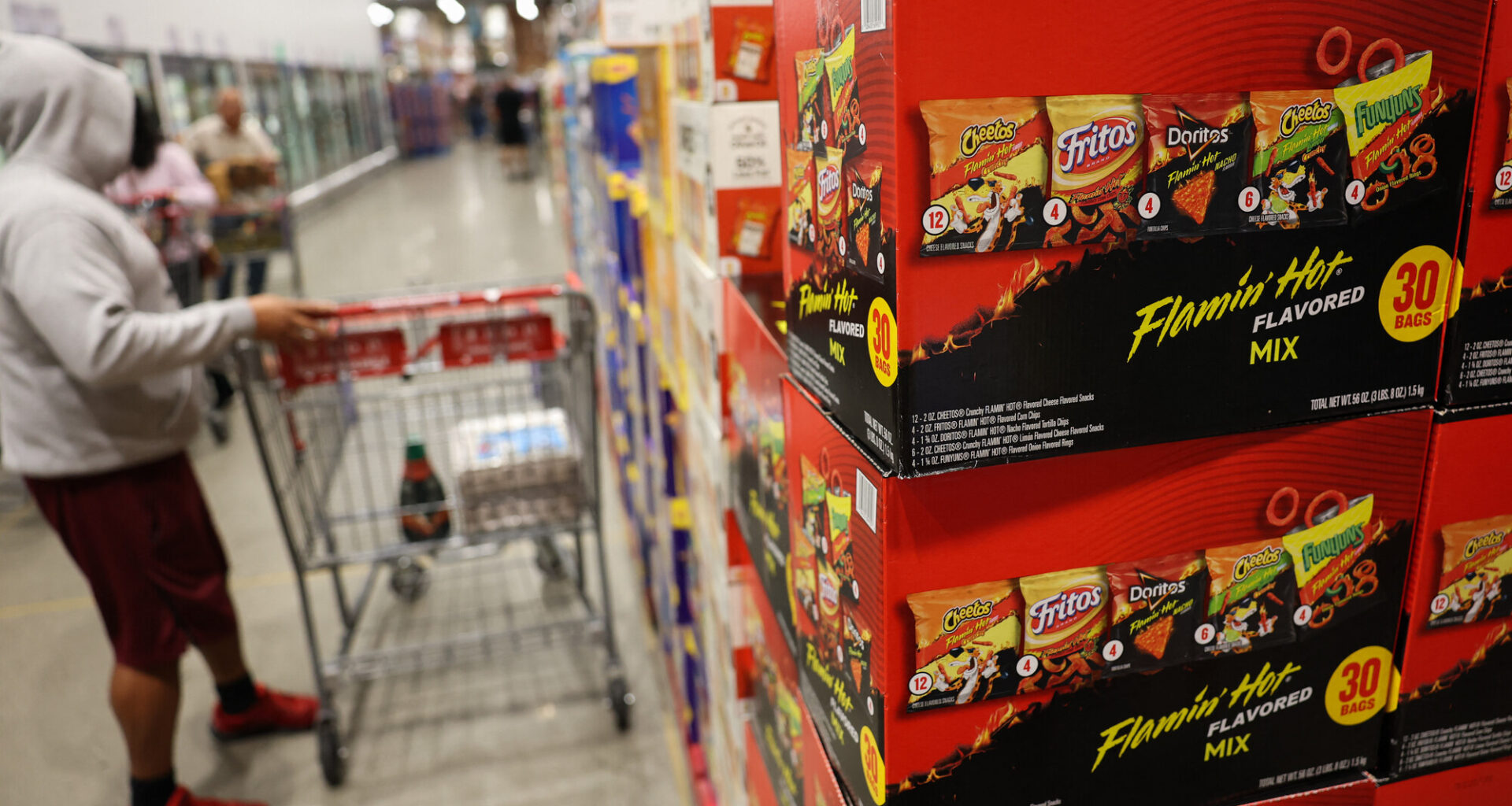
Last fall, Gov. Gavin Newsom signed a law creating one of the first legal definitions of ultraprocessed foods, which contain certain additives — like artificial colors, flavorings or emulsifiers — and are high in added sugar, sodium or saturated fat, or contain non-nutritive sweeteners. The law will also phase out the most concerning products from school meals.
Under Gabriel’s bill, the California Department of Public Health would oversee a certification system, with third-party groups verifying which products meet the state’s standard. Those products could carry a “California Certified” label, and large retailers would be required to make them more visible in stores.
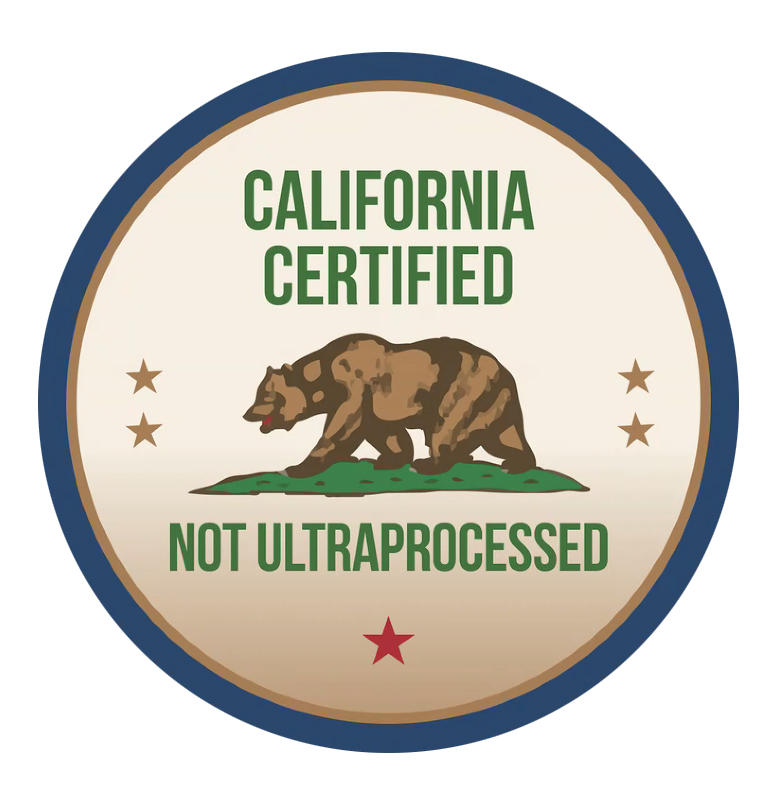 A bill proposed by Assemblymember Jesse Gabriel would create a “California Certified” seal for foods that are not ultraprocessed and require them to be made more visible in grocery stores. (Courtesy of Environmental Working Group)
“The evidence is there,” said Alyssa Moran, a nutrition researcher at the University of Pennsylvania who supports the bill. “Ultraprocessed foods clearly increase chronic disease risk.”
On the federal level, Health Secretary Robert F. Kennedy Jr. has sought to make similar connections between diet and chronic disease, releasing new dietary guidelines that call for Americans to consume drastically less “highly processed foods laden with refined carbohydrates, added sugars, excess sodium, unhealthy fats, and chemical additives.” Experts, however, have criticized Kennedy’s focus on red meat and animal fats, and say he often misrepresents scientific research.
For many consumers, even identifying which foods are healthy can be confusing. Studies have found that shoppers often misclassify ultraprocessed foods and underestimate how much of them they eat.
“I regularly find myself picking up healthy-seeming items and then having doubts,” said Melanie Benesh, vice president of government affairs at the Environmental Working Group, which sponsored Gabriel’s bill. “Is this whole wheat bagel a good choice if it also has added sugar? Should I be concerned about the emulsifier in this vinaigrette? I find this kind of mental gymnastics to be exhausting.”
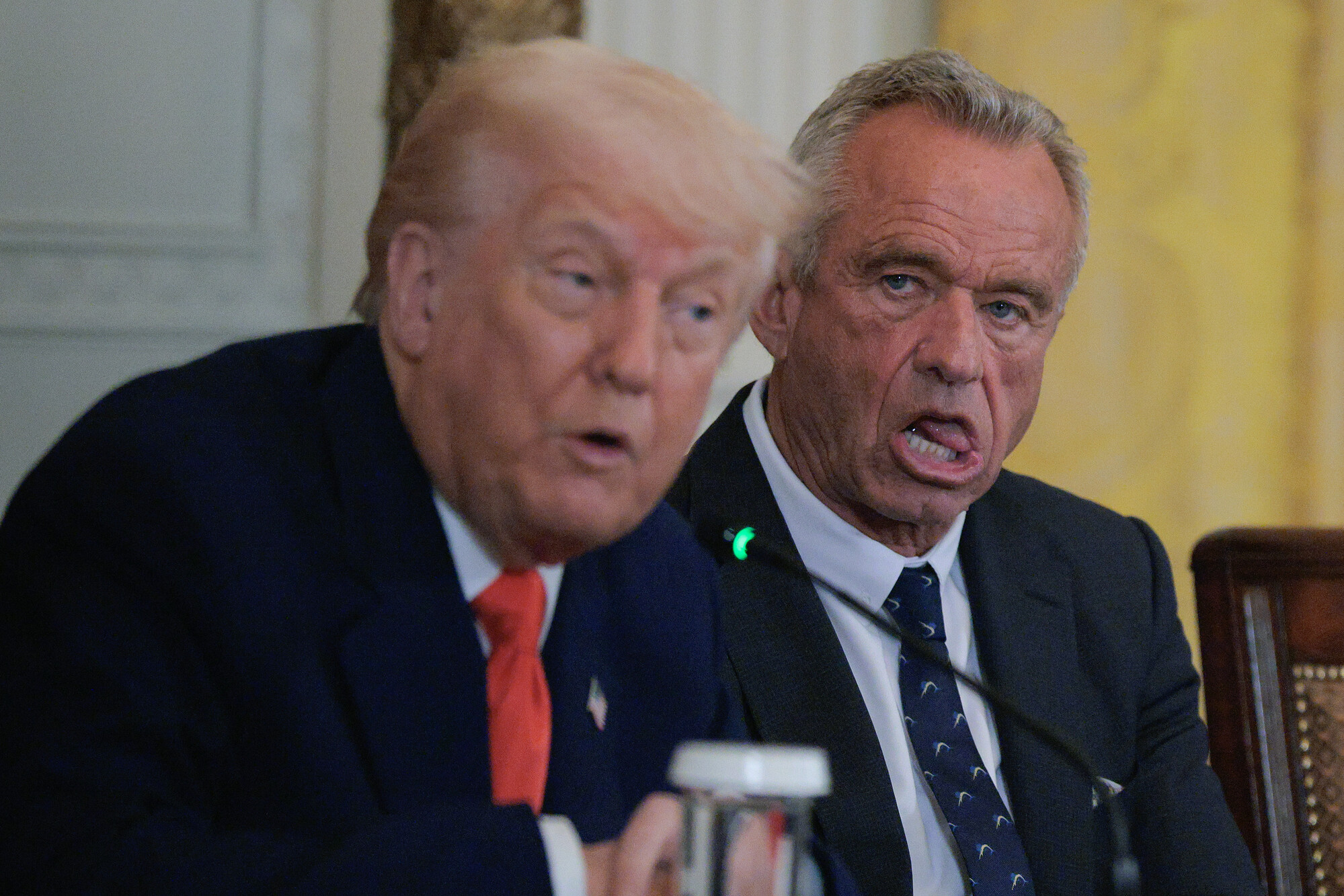 President Donald Trump and Health and Human Services Secretary Robert F. Kennedy Jr. attend an event unveiling a new Make America Healthy Again Commission report in the White House East Room on May 22, 2025, in Washington, D.C.
But critics, including food industry groups, say the science around ultraprocessed foods is still evolving. They argue there is no universally accepted definition and said that labeling foods could mislead consumers.
Gabriel said the intent behind his proposal is not to ban foods but to give people clearer information.
“Unfortunately, Americans are among the world’s biggest consumers of ultraprocessed foods, and we are paying the price for it,” he said, “both in terms of poor health outcomes and rising health care costs.”
The bill is expected to be heard in committee in the coming weeks.