
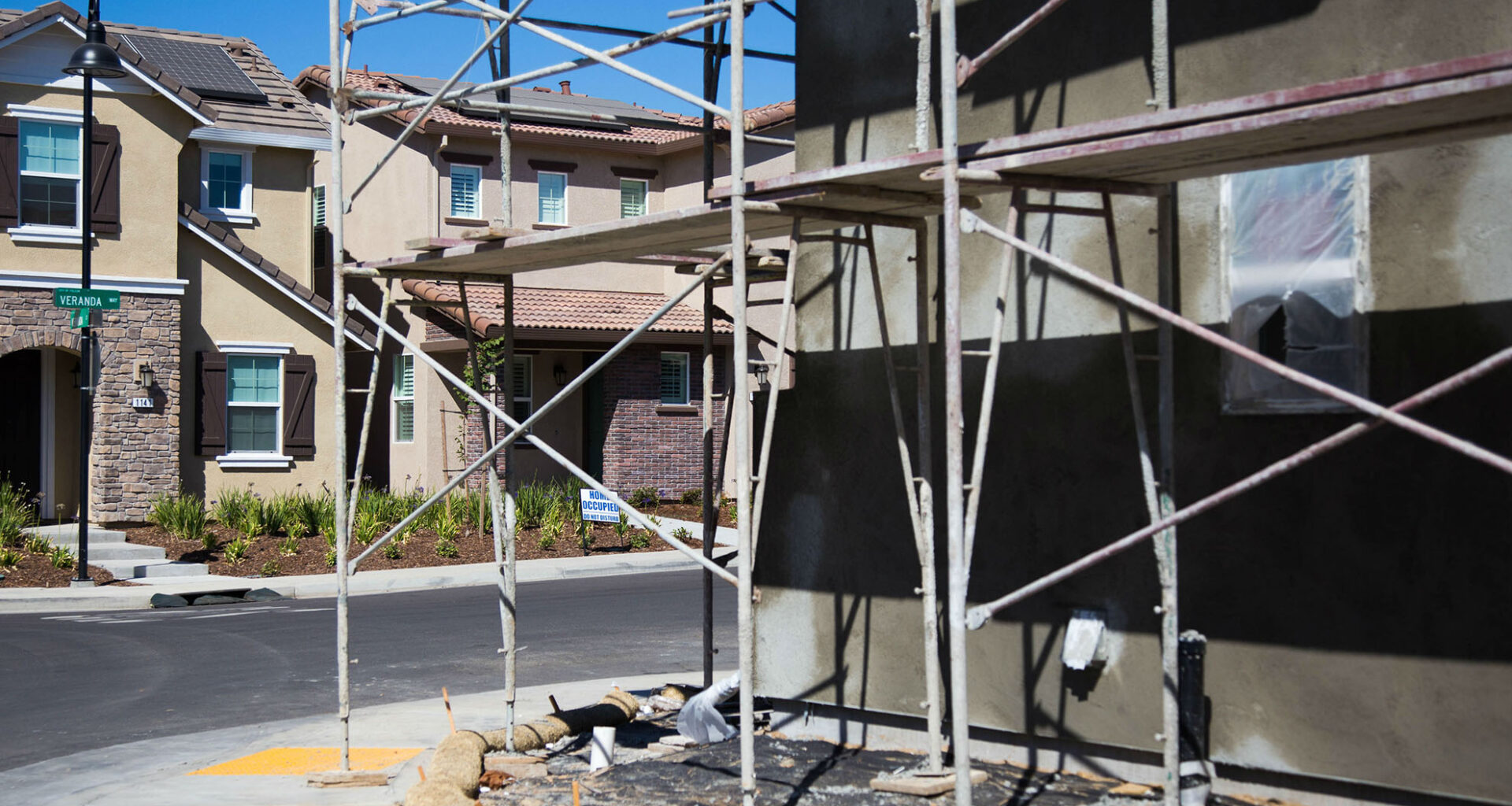
It’s no secret California has a major housing crisis on its hands. A recent report by the National Low Income Housing Coalition estimates California is about 1 million homes short when it comes to low-income housing.
As the state stares down a drastic shortage of housing units, state lawmakers are looking for new ways to help developers build faster and reduce costs.
That includes a new leader on housing policy in the State Senate.
“[I’ve] also been personally impacted by that housing crisis. I am one of the few senators who is a renter,” said Democratic Senator Jesse Arreguin, whose district includes Oakland and Berkeley.
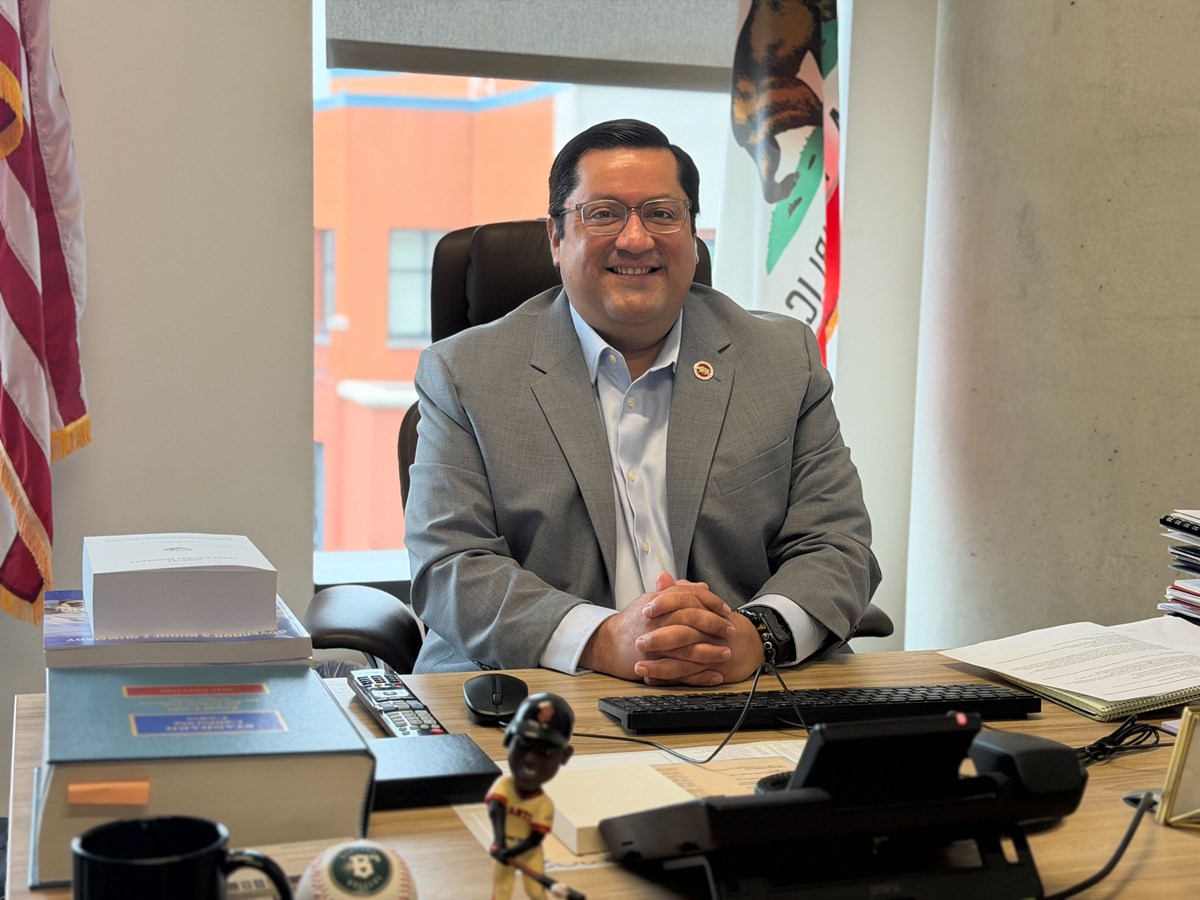 Democratic Senator Jesse Arreguin in his State Capitol office, February 10, 2026.Laura Fitzgerald/CapRadio
Arreguin took over the reins as the Senate’s head housing lawmaker this session. For him, California’s housing crisis is personal.
“Growing up in San Francisco, my family was displaced on a number of occasions,” Arreguin said. “So, um I know what it’s like to be evicted and to lose your home and not know where you’re going to live. And sadly, so many Californians face that on a weekly basis.”
This is the experience he says makes him the right person to lead this key legislative committee.
And a lot of housing advocates agree.
“We’re very hopeful about him becoming the Senate Housing Chair,” Matthew Lewis, Director of Communications at California YIMBY. “We think he’s clearly demonstrated a desire to solve the crisis. He’s a renter himself. So, it’s not that legislation should be first personal, but I think it’s important for people’s lived experience to sort of inform the kind of policies they work on.”
Last year was a big year for housing policy at the State Capitol. Lawmakers passed a series of landmark reforms to streamline the environmental review process for new apartments and subdivisions.
“But it’s still expensive to build housing and rents are still too damn high in the state and so there’s more that we have to do,” Arreguin said.
From the new chair’s perspective, the state hasn’t done enough when it comes to establishing tenant protections to prevent displacement from existing homes.
But when it comes to tackling the state’s crisis, Arreguin said lawmakers have to take an “all of the above approach” – prevent displacement, but at the same time build more housing units and lower costs for construction.
One way to do that is incentivizing more modular construction, a process where housing parts are made in factories and assembled on site.
“I expect that housing innovation in construction design will be a key focus of the work of both houses this year. Looking at how we can incentivize modular and other types of innovative housing construction methods,” Arreguin added.
Modular construction has indeed emerged as a major theme for this session’s housing policy in Sacramento. Just this week, a bipartisan group of lawmakers introduced bills to expand factory-built housing in California. Some aim to reduce red tape for this type of construction and limit transportation costs for the needed housing parts.
Developers see the benefits of factory-built housing
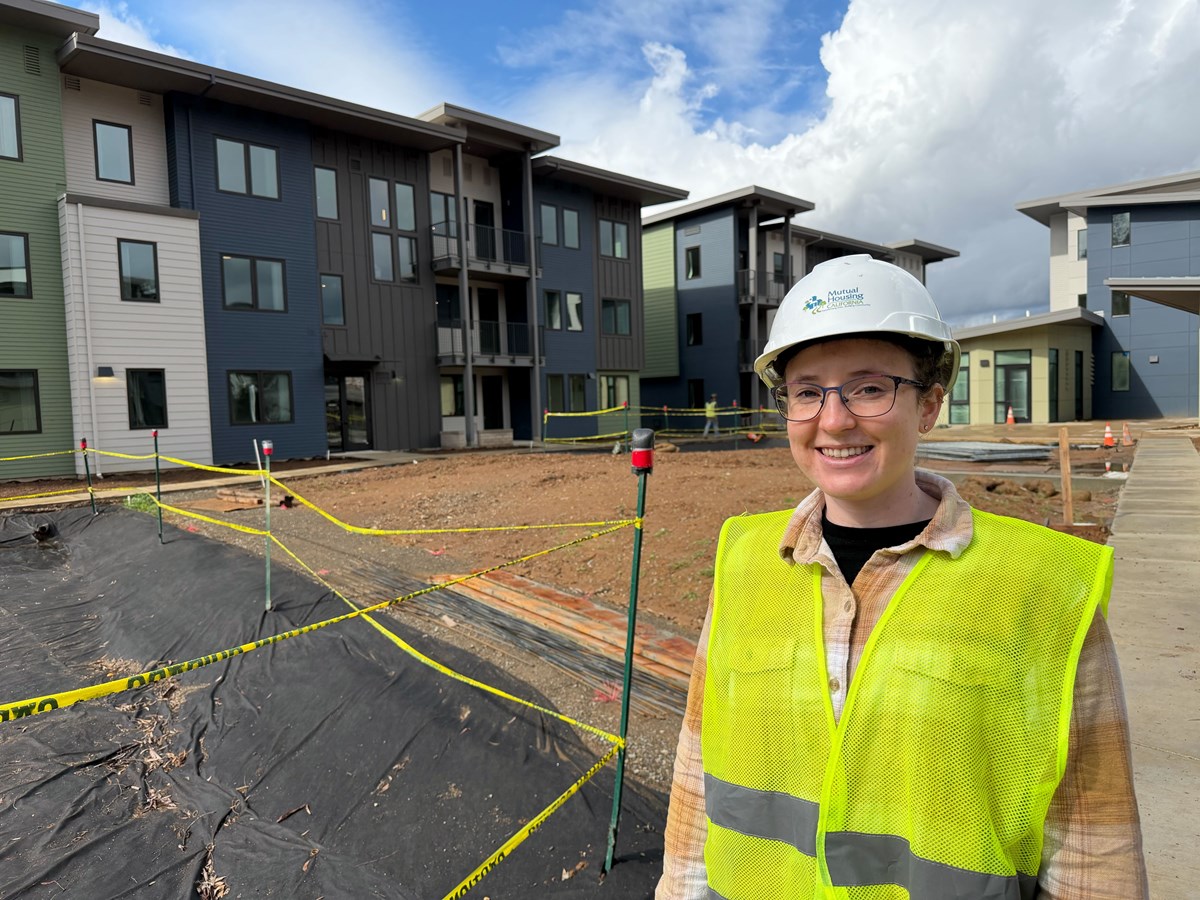 Juliana Zats-Watkins, a project manager at Mutual Housing, has worked on the San Juan One affordable housing community in South Sacramento, February 18, 2026.Laura Fitzgerald/CapRadio
Juliana Zats-Watkins is a project manager at Mutual Housing in Sacramento. The group is developing an affordable housing community called San Juan One, in South Sacramento. The units are nearly finished and will be available to lower-income families based on a lottery.
“We’re standing on San Juan phase one right now which was stick-built, but phase two just across the aisle away will be 70 units of senior housing and that’ll be built using modular construction, which should make it faster and cheaper,” Zats-Watkins explained.
She says this upcoming project will likely be the group’s first one that’s factory-built, but that they’re planning other similar developments in nearby communities. Zats-Watkins and her colleagues say they hope lawmakers will pass bills streamlining this type of construction so they can pursue more of these same projects.
“The idea is if it’s cheaper, if it’s faster, then it’s a more sustainable way to use the housing dollars to get more affordable housing homes for people,” Zats-Watkins added
CapRadio provides a trusted source of news because of you. As a nonprofit organization, donations from people like you sustain the journalism that allows us to discover stories that are important to our audience. If you believe in what we do and support our mission, please donate today.