
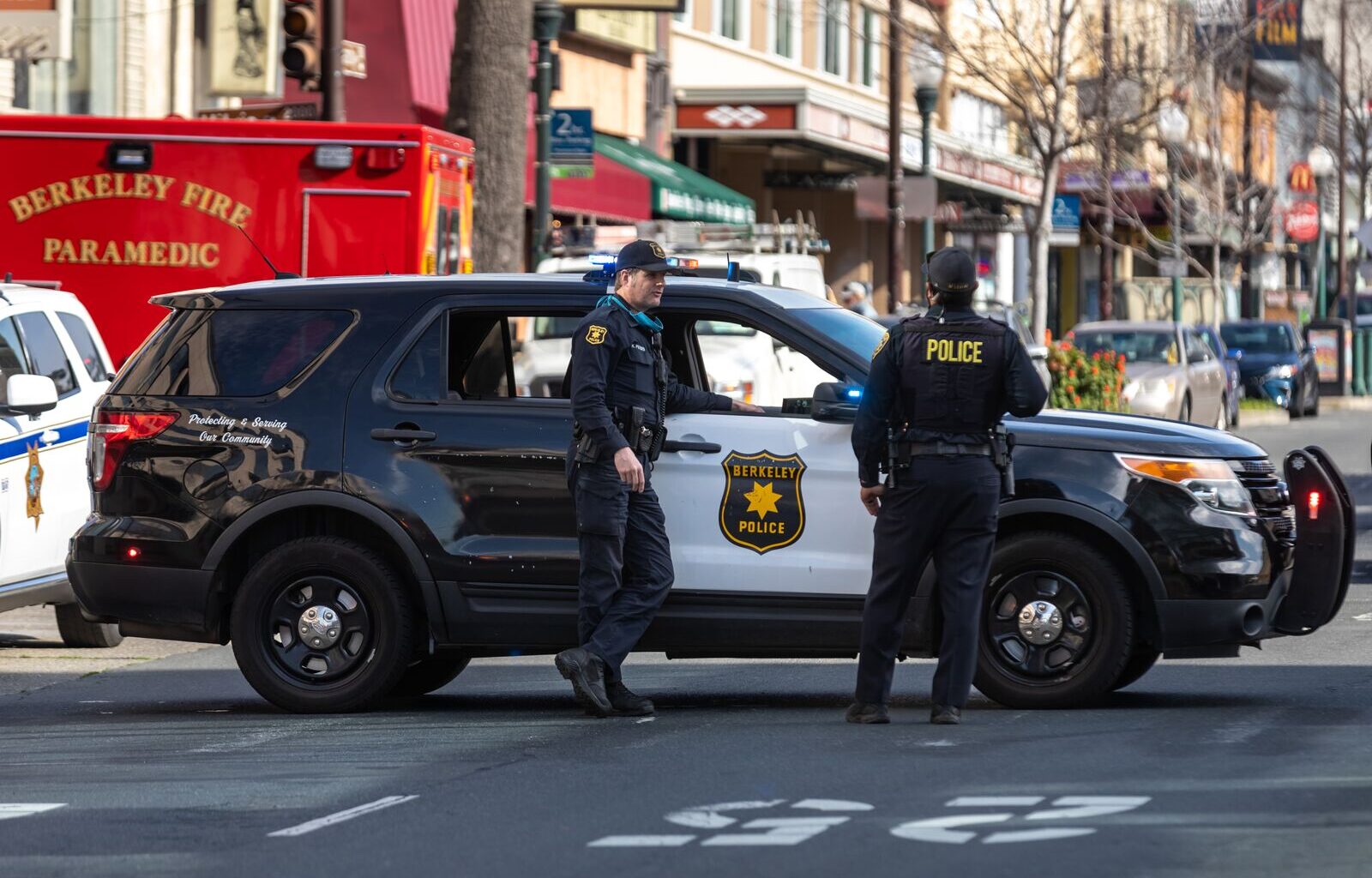
 Berkeley and UCPD police officers, February 2022. Credit: Kelly Sullivan
2025 was a safer year for Berkeleyans than the year before, according to the Berkeley Police Department’s annual report. Crime dropped in several major categories, and there were fewer crashes — and injuries from them — on city streets, paths and sidewalks.
BPD still has not been able to grow its ranks of sworn officers, but says new tools and civilian personnel can help them keep from getting overwhelmed.
Collectively, crime in Berkeley fell 11% from 2024 to 2025 across the categories the agency tracks, using a reporting system instituted by the FBI. That drop was driven by a decline in property crimes, which were down 18%, according to BPD’s annual report for 2025, which was delivered to the City Council Tuesday. Total “crimes against people” — essentially, violent crimes — rose 2%, from 1,809 to 1,849.
The overall drop in crime continues a trend that began in 2024, and was largely reflective of a nationwide pattern in which crime levels that soared in the early 2020s have subsided more recently.
Arlo Malmberg, the department’s civilian head of data analysis, attributed last year’s decline in part to a return to pre-pandemic levels, as well as state and local investments in violence prevention work and new tech for police agencies.
“But for those same reasons, as federal funding gets cut, researchers are not entirely confident that this trajectory will hold,” Malmberg told the City Council on Tuesday.
A few highlights from the department’s data:
Thefts fell 16%, from 4,420 to 3,696
Burglaries fell 9%, from 788 to 719
Robberies fell 20%, from 221 to 177
Aggravated assault rose 16%, from 482 to 561
Sexual assaults rose 13%, from 120 to 136
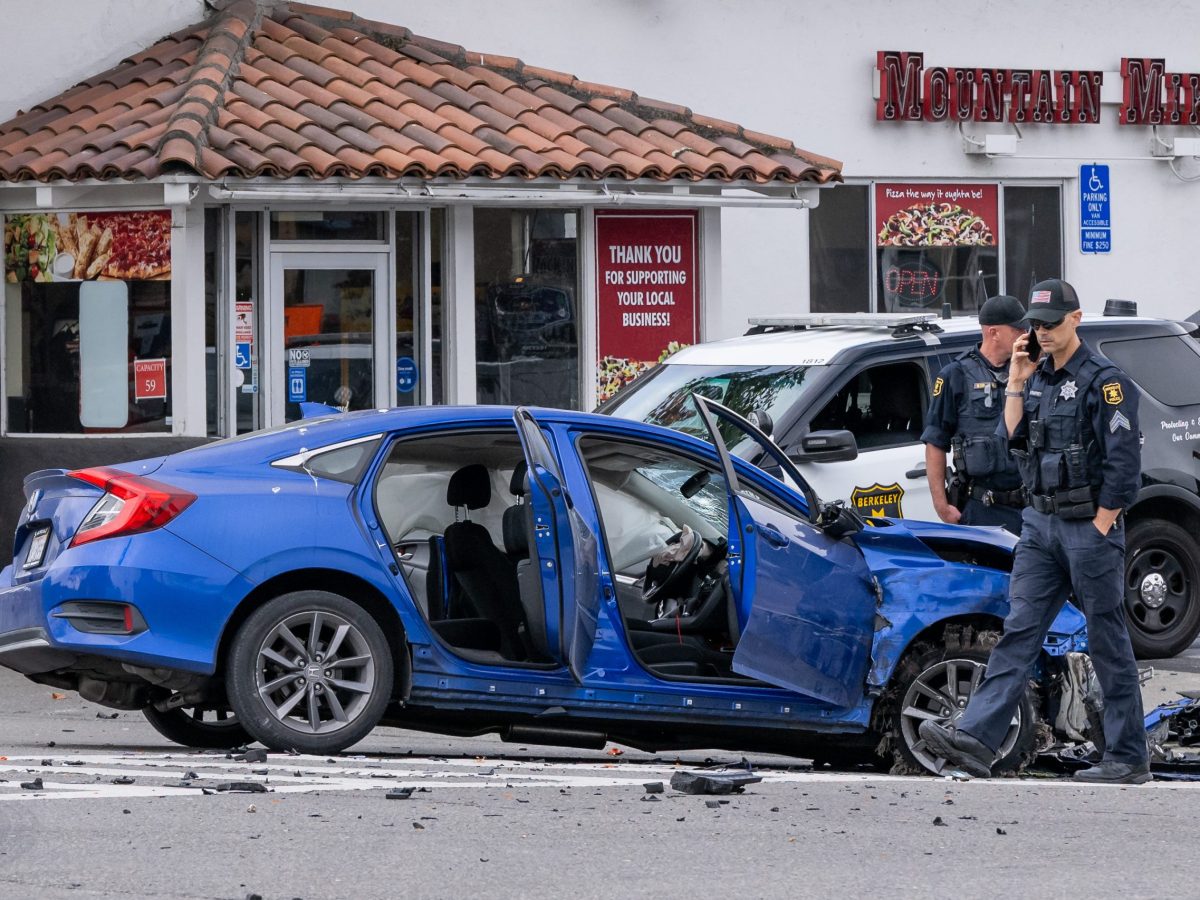
Fatal traffic collisions, while rare, increased from four in 2024 to five in 2025, but there were fewer crashes overall. The number of collisions with or without injury each fell by more than 10% (559 to 499 for injury collisions, 314 to 280 for non-injury collisions), the lowest rates since at least 2021 for either. Speed was the most frequent main factor in crashes.
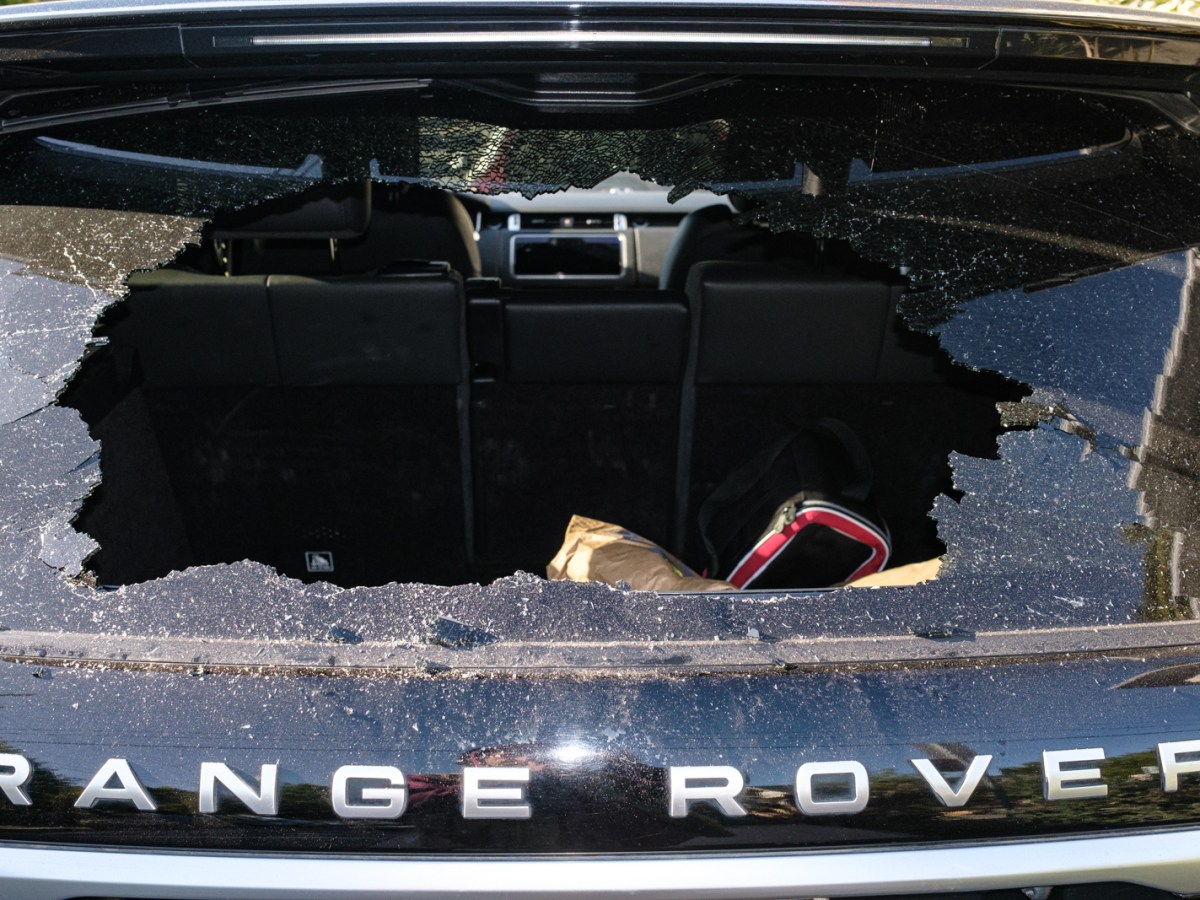
Drilling down further into BPD’s stats, the agency’s data show that auto crimes dropped across the board. Thefts of catalytic converters continued a decline that began after 2022, dropping from 312 in 2024 to 248 in 2025; vehicle thefts fell by nearly half, from 1,058 to 536, the lowest number since 2019; and auto burglaries plummeted from 1,154 to 693.
Gun crimes of several types fell in 2025. Of the four homicides in 2024, three were by gun; Berkeley’s only homicide in 2025 was by knife. Total shootings dropped 40% from 25 to 15.
At the same time, however, BPD actually seized slightly more guns in 2025 (114) than in 2024 (110).
Gunfire in total hit a nine-year low in 2025. The East Bay-based nonprofit Live Free USA has run a gun violence prevention program in Berkeley since 2024. Their $2 million pilot grant from the city is running out soon, but the organization has been looking for new funding.
Clearance rates improved in several categories — from 34% to 49% for robberies and from 52% to 63% for felony assaults, according to BPD. The agency credited its 17-month-old automated license plate reader network with helping in 58 arrests and recovering 37 stolen cars in 2025, but did not specify precisely how the readers helped, nor whether it would have been possible to solve the cases otherwise.
BPD still has not figured out an off-ramp for its now five-year staffing crisis. The agency’s number of sworn officers cratered during the COVID-19 pandemic, from 174 in 2020 to 161 the next year. The department ended 2025 with 154 sworn officers, the same as 2024, and 20 officers short of its authorized number of 174. (That total authorized number was 181 before the city instituted a partial hiring freeze last year to close a $27 million budget deficit.)
Officers’ shifts have become less jam-packed, with their average calls for service per shift dropping from a peak of 6.3 in 2023 to 6.2 in 2024 and 6.0 last year. BPD credited the decline to its recruitment of non-sworn community service officers, the resurrection in 2020 of its downtown bike unit and the establishment of a flex team focused on retail theft, but acknowledged that total calls for service had also declined 2% from 2024 to 2025.
Getting call density down is crucial, BPD Chief Jen Louis told the council Tuesday.
“If you’re a patrol officer and are going from call to call to call because calls are stacking up, you have less time to go back and check on a victim and make sure they inventory their stolen property correctly, you have less time to spend explaining a restraining order process, you have less time to just slow down and empathize with what they’re experiencing,” Louis said. “You may have less houses you can hit for a canvas. All the pressure of having so many cases stacking up means those things are less possible.”
Related stories
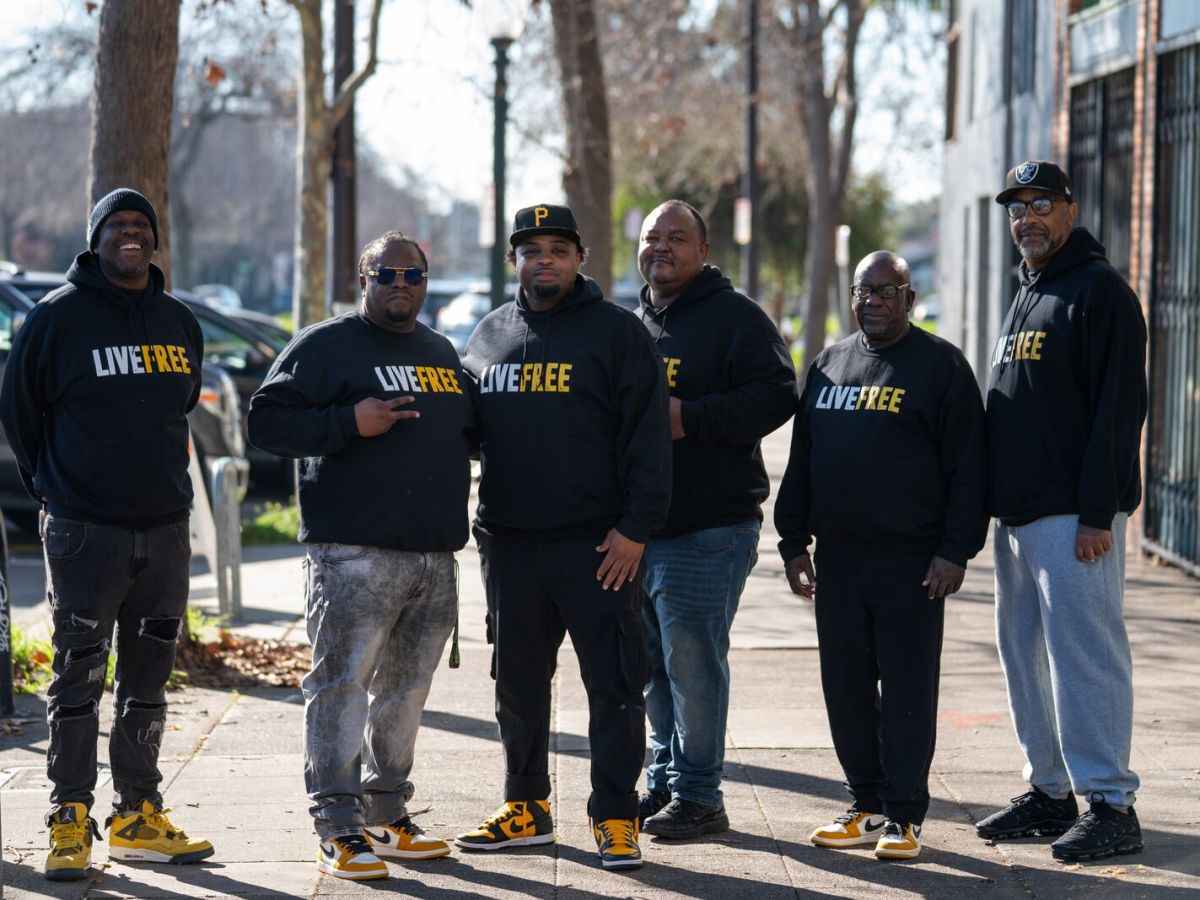
Gun violence in Berkeley has plummeted. They helped make it happen
January 15, 2026Jan. 15, 2026, 3:35 p.m.
Crime in Berkeley dropped in 2024, mirroring national trend
December 31, 2024Jan. 3, 2025, 8:59 a.m.
Berkeley property crimes are dropping, but thieves are getting creative
August 13, 2025Aug. 18, 2025, 10:12 a.m.
“*” indicates required fields