
OPINION – As the war with Iran continues, global oil prices will remain high, with gasoline prices following, meaning the President needs to find ways to lower costs or risk political and potential strategic vulnerabilities. In hopes of solving this, the Trump Administration has moved to waive the Jones Act in large part to lower prices for gas and other energy products nationwide.
Under the Jones Act, cargo moving between U.S. ports must be carried on American-built, American-flagged, and American-crewed vessels, including crude oil and refined petroleum products. California has been floated as a potential beneficiary, under the hypothesis that foreign tankers carrying fuel from the Gulf could lower prices at the pump.
The trouble is that California’s regulations, taxes, and other unique factors make any minor savings from this waiver a drop in the bucket.
Vehicles in the state run on a specialized blend mandated by the California Air Resources Board to reduce smog-forming emissions. The benefits are real, but so are the costs. The more specialized the fuel, the more expensive it is to produce, and the fewer the buyers. So even if a foreign ship – able to sidestep many U.S. environmental and labor regulations impacting domestic operators – offers cheaper service, the fuel must still meet CARB’s strict standards.
But California gas prices – often one to two dollars above the national average – cannot just be blamed on CARB.
Beyond fuel standards, Sacramento tightly regulates its oil and gas industry, from producers to refiners to retailers.
This is no secret. Chevron President Andy Walz recently warned Governor Gavin Newsom that proposed changes to the state’s cap-and-trade program and other policies could push gas prices up another dollar by 2030. Lost refining capacity cannot be replaced by imports without increasing costs, whether shipments come from the Gulf Coast or across the Pacific.
California drivers also pay the highest gas taxes in the nation. Between the state’s massive excise tax increase in 2025, the state sales tax, the federal excise tax, and an underground storage fee passed on to consumers, Californians pay 90 cents per gallon in taxes and fees
In the retail market, 90 percent of gasoline stations in California are owned and operated by independent small businesses, not vertically integrated oil companies, missing out on potential cost-savings.
With all of this established, one must now look at whether the Jones Act waiver makes a dent in making California more affordable. The evidence says no. Analyses have found that the cost impact of U.S.-flag shipping on gasoline prices is negligible, ranging from less than one cent per gallon to 1.5 cents per gallon. When Californians are paying $1 to $2 more per gallon than drivers elsewhere, then a policy measured in pennies cannot plausibly make the difference.
That does not mean maritime logistics are irrelevant. California imports some fuel from refineries in Asia, with shipments taking roughly as long as deliveries from the Gulf. If Walz is right, that in-state refining capacity will continue to decline due to Governor Newsom and the California Assembly’s policies, maritime shipping will only grow more important.
If anything, the turmoil in global energy markets underscores the value of maintaining a strong domestic maritime capability.
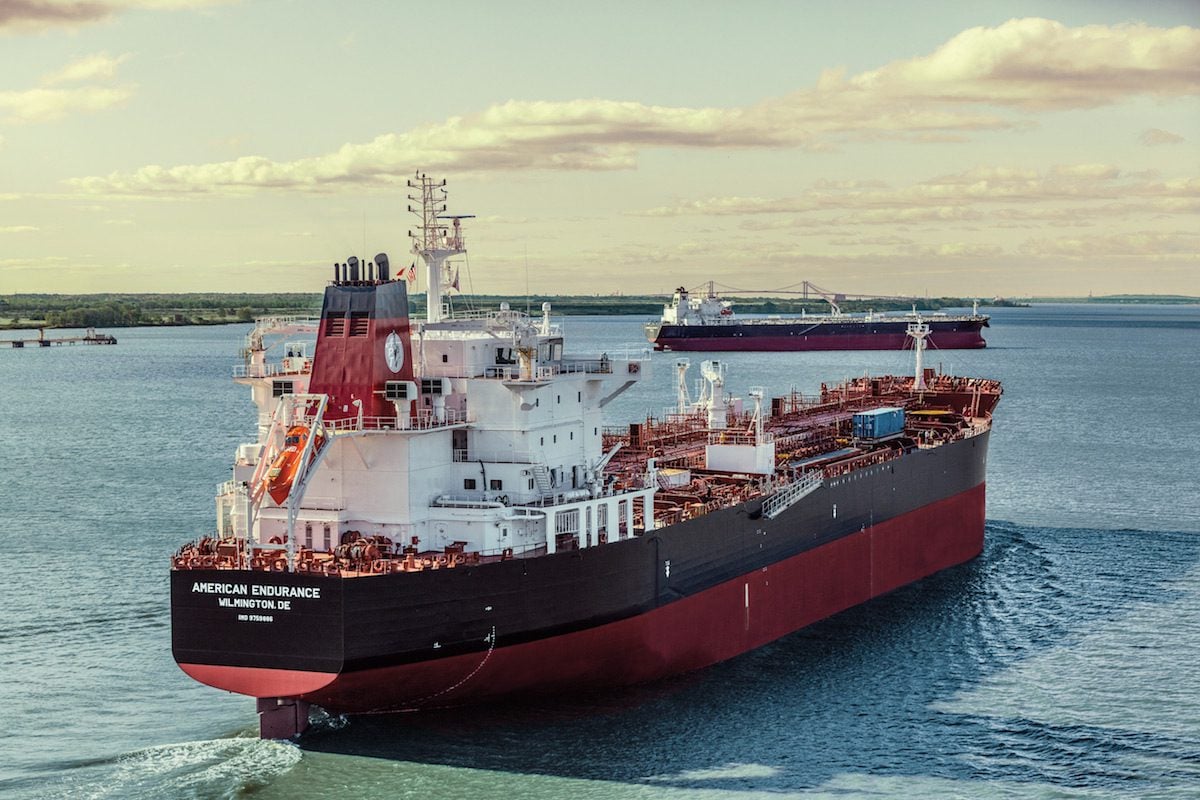
Today, the Jones Act-qualified fleet includes both conventional tankers and more than a hundred articulated tug-barges, providing an efficient, safe means of transporting petroleum products along the coast and our inland waterways.
These vessels are vital in places like Florida, which imports nearly 90 percent of its fuel by vessel yet maintains far lower prices than California. In fact, a recently announced Panamanian-flagged tanker set to move product from the Gulf Coast to Florida under the President’s waiver is charging its customers nearly double what Jones Act operators charge on a comparable route.
Federal policymakers are exploring ways to strengthen America’s maritime industrial base, including the Trump Administration’s proposed Maritime Opportunity Zones to spur shipyard investment. California itself has deep shipbuilding roots: during World War II, Kaiser Shipyards produced hundreds of vessels that helped win the war. New proposals like the Solano Shipyard suggest that industry could return as a greater force in the state, creating jobs and expanding tanker capacity.
If the waiver continues, the underlying drivers of high gas prices will remain. The fuel shipped by foreign carriers must still comply with California law, taxes and regulations, with all the costs those mandates entail. That reality does not change whether the vessel delivering the fuel sails under the American flag or a foreign one.
John D. McCown, Non-Resident Senior Fellow at the Center for Maritime Strategy, is an internationally recognized shipping expert.
Want to see more stories like this? Sign up for The Roundup,
the free daily newsletter about California politics from the editors of Capitol Weekly.
Stay up to date on the news you need to know.
Sign up below, then look for a confirmation email in your inbox.