
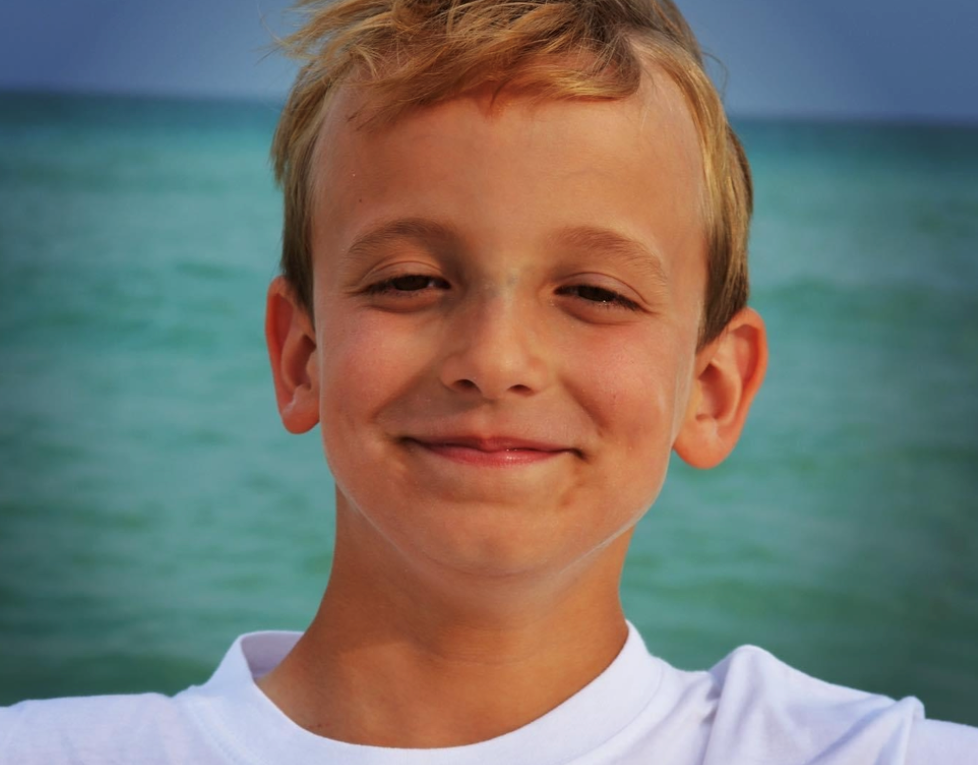
13-year-old Connor Metz tragically lost his life due to aortic dissection resulting from undiagnosed Loeys-Dietz syndrome (LDS). His family works tirelessly to remember Connor’s big heart through action to spare others similarly unfathomable loss.
A new medical education initiative launching in March 2026 with University of San Francisco (USF), powered by the Connor Metz Fund for Rare but High Consequence Cardiac and Aortic Conditions, aims to save more lives by teaching nursing professionals to spot the signs of Loeys-Dietz and aortic dissection in innovative ways – including sounds the heart makes when in LDS-related danger.
“I am thrilled about the prospect of 1,500 USF nursing students across the state of California learning specifically about LDS and the importance of quick diagnosis through proper diagnostic testing and intervention to prevent tragedy,” said Connor’s mother Bridget Porter – a USF alum. “Nurses often perform triage and serve as our first point of contact in emergency situations. This can be a game changer!” said Porter who serves in a leadership role on the Loeys-Dietz Syndrome Foundation (LDSF) Steering Committee. The LDSF is a division of the Marfan Foundation.
Marfan Foundation Deputy Executive Helaine Baruch called the Metz family’s “leadership and commitment” to fueling medical education through the new program “extraordinary – absolutely amazing and wonderful in so many ways.”
Medical Awareness Essential to Saving Lives
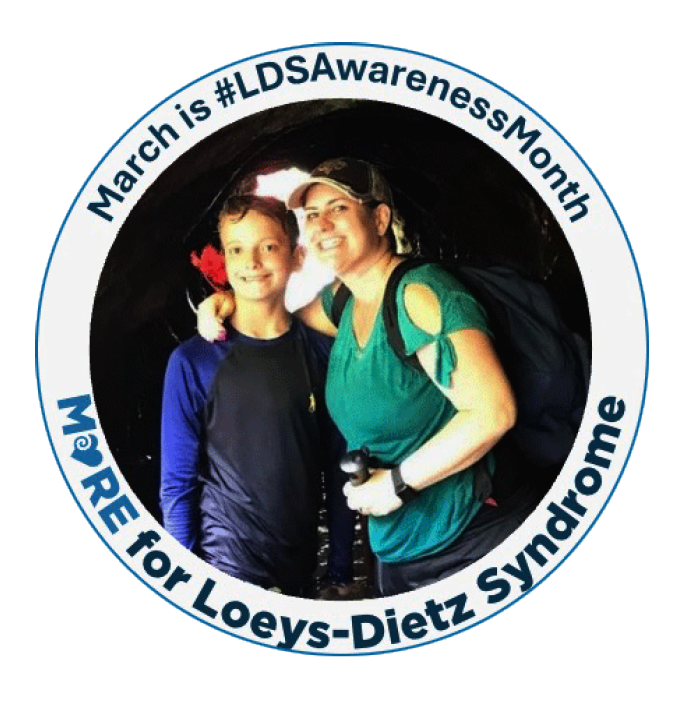
Loeys-Dietz Syndrome Foundation Director Stacey Watson echoed the Foundation’s appreciation and emphasized the need for additional awareness. “Loeys-Dietz syndrome is a genetic aortic and vascular condition that impacts multiple organ systems and vastly increases the chances of potentially fatal aortic dissection when not medically managed. Individuals and families who are unaware they are living with Loeys-Dietz can be in grave danger, as they don’t yet know about life-threatening aortic dissection risk. Given that Loeys-Dietz is a rare condition, medical providers can miss the associated signals and traits – particularly in young, seemingly healthy people, as so sadly happened in Connor’s case. The Metz family works constantly to educate medical professionals about the signs of Loeys-Dietz syndrome and the need for immediate action during LDS-related emergencies. We are so grateful,” said Watson.
“When we lost Connor, we’d never heard of aortic dissection or Loeys-Dietz.” said Bridget. “Connor had many of the ‘tell-tale traits’ indicative of Loeys-Dietz but went undiagnosed despite a consult with genetics and frequent specialty visits. [His traits included] hyper-mobility, velvety translucent skin, a chest deformity (pectus carinatum), flat feet, scoliosis, wide set eyes, double strabismus and migraines that were increasing in frequency and intensity.”
According to a USF statement, “The Connor Metz Fund for Rare but High Consequence Cardiac and Aortic Conditions aims to improve the early detection, accurate diagnosis, and timely treatment of rare cardiac and aortic conditions, while advancing education in the early recognition of Loeys-Dietz syndrome and other rare but high consequence cardiac and aortic conditions. This fund is intended to assist with creating awareness and training to facilitate recognition, diagnosis and treatment of such cases, sparing other families from similar tragic loss.”
Heart Sounds Trainer Technology
“The fund supports the University of San Francisco’s School of Nursing and Health Professions (SONHP) High-Risk, Low-Frequency (HRLF) Clinical Excellence Initiative—an immersive learning program designed to provide student nurses and student nurse practitioners with advanced, simulation-based exposure to diseases, workflows, and clinical situations they may not encounter during formal training—or may experience infrequently in practice. Examples include acute patient deterioration, cardiac arrest, rare cardiac anomalies, and other time-sensitive, high-consequence conditions.”
The latest innovation being deployed, in partnership with Connor’s fund, is called an “auscultation trainer,” according to USF. The trainer “is computer-driven and capable of reproducing heart sounds associated with significant cardiac abnormalities. The system includes heart sounds associated with aortic pathology. Specifically, it recreates murmurs linked to aortic regurgitation, which may occur in conditions such as Loeys-Dietz Syndrome and in Type A (ascending) aortic dissection involving the aortic root….while the auscultation component is an important part of the overall module, it represents just one element of a broader educational strategy. The training is designed to strengthen our Nurse Practitioner and Pre-Licensure students’ comprehensive clinical skills.”
Program Aims to Scale for National Awareness
The program will continue to be rolled out in phases through spring of 2027 with the hope of expanding its reach within California to more than 14,000 nursing students, and ultimately beyond California to make a national life-saving impact.
“The ability to reach this volume of learners each year—before accounting for national expansion through partner organizations or interdisciplinary health programs—creates substantial opportunity for high-impact education in early recognition of Loeys-Dietz syndrome, aortic disease, and other rare but high-consequence cardiac conditions,” said the USF statement.
Beginning during Loeys-Dietz Awareness Month 2026 “USF will implement the auscultation trainers in San Francisco immediately to strengthen our students’ skills in identifying cardiac abnormalities, with particular emphasis on rare but high-consequence conditions such as Loeys-Dietz Syndrome and aortic dissection. The trainers will initially be deployed to enhance core assessment skills and will then be fully integrated into both the pediatric and adult training modules upon their completion.”
According to the USF statement, “Through targeted high-fidelity simulation, skills lab training with advanced task trainers, virtual reality–enhanced modules, case-based learning, including the Connor Metz case study, and integration of genetics and precision health concepts, the HRLF Clinical Excellence Initiative strengthens early signal detection, clinical reasoning, and rapid intervention competencies, preparing learners to recognize, assess, and respond effectively to infrequent yet high-impact clinical events.”
“Although these scenarios may occur infrequently, they carry significant risk of morbidity or mortality if subtle warning signs are missed or intervention is delayed. This initiative advances patient safety, reduces preventable adverse outcomes, and elevates standards of clinical preparedness across pre-licensure and advanced practice nursing education.”
“The initiative will be led by Jonathan Mack PhD RN NI-BC, NP, Associate Dean, Clinical Affairs and Learning Innovation, School of Nursing and Health Professions,” said the USF statement.
A Commitment to Saving Lives
Marfan Foundation President and CEO Michael Weamer affirmed the Loeys-Dietz Syndrome Foundation’s ongoing commitment to medical education and appreciation for the Metz family. “We are honored to help in any way that we can as the Metz family and USF strive to create nationwide life-saving impact through the program. We hold Connor and his family close in heart always and believe his very special legacy will continue to reshape healthcare across the country with high-impact leaps forward in provider awareness regarding Loeys-Dietz syndrome” said Weamer.
Porter hopes that families everywhere will experience better outcomes, thanks to medical education. “Since our loss, we’ve met several other families with similar stories of tragic loss – and we all share a passion for increased awareness,” said Bridget. “Now that we understand the price of not knowing – it’s our mission to spare others our devastating loss in honor of our sweet Connor,” said Porter.
To support our friends at the Connor Metz Fund for Rare but High Consequence Cardiac and Aortic Conditions, mail a check to: USF, 2130 Fulton Street, LMR, San Francisco, CA 94117 Write: Connor Metz Fund in the memo. You can sign up to support the fund online here. To learn more about the Loeys-Dietz syndrome Foundation and Loeys-Dietz syndrome, visit loeysdietz.org
April Dawn Shinske is the Chief Communications and Marketing Officer for The Marfan Foundation. She is proud to lead a stellar integrated marketing and communications team and honored to help tell the amazing stories of our community members.