
Credit: Food & Wine / Getty Images
Key Points
California’s Assembly Bill 2244 would introduce a “California Certified” seal for minimally processed foods, making it easier for shoppers to quickly identify them.
The bill reflects growing concern about ultra-processed foods, which account for about 60% of the American diet and are associated with increased risks of heart disease, type 2 diabetes, and other chronic conditions.
If passed, the legislation would also require grocery stores to prominently display certified products, supporting broader efforts to improve food transparency and public health.
Grocery stores may soon look a little different in California, and it’s great news for anyone trying to cut back on ultra-processed foods.
On March 25, Assemblymember Jesse Gabriel (D-Encino) announced he was introducing Assembly Bill (AB) 2244, which he explained in a statement is intended to “empower Californians to make better-informed and healthier choices by increasing transparency around ultra-processed foods.”
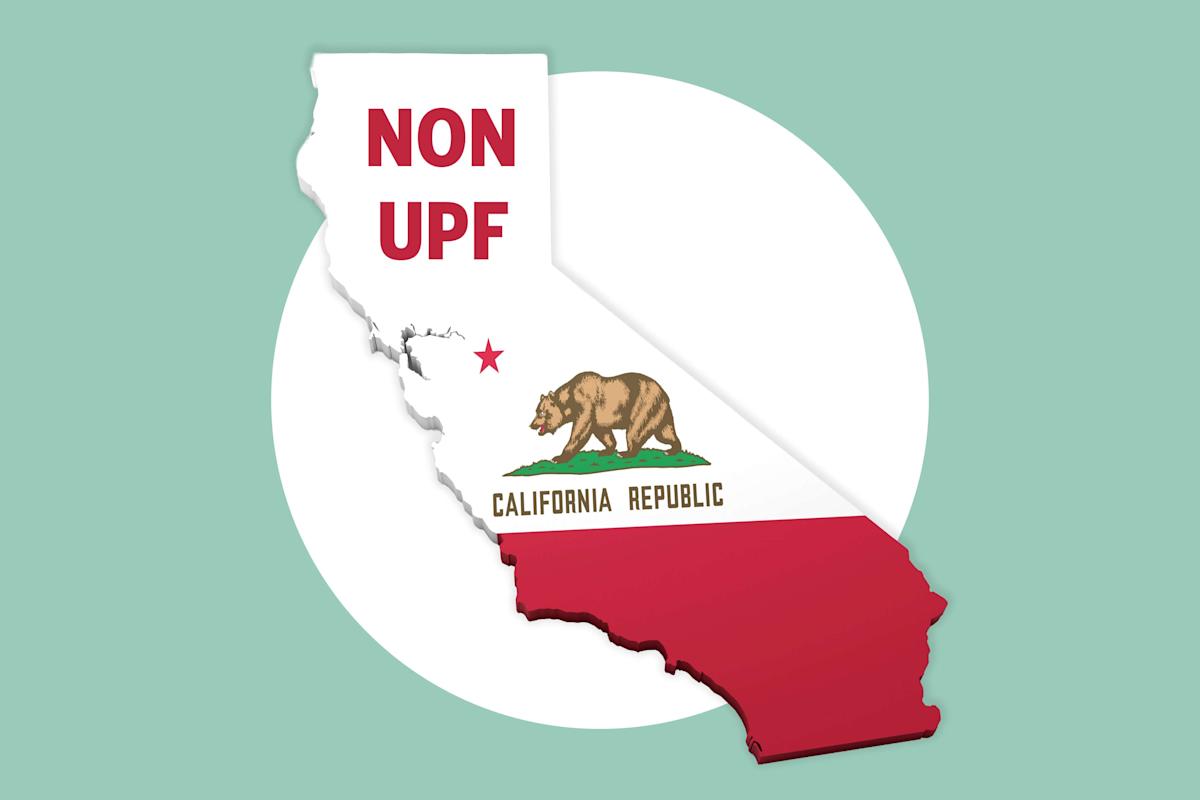
If the bill passes, it will establish the first “California Certified” seal, which can be displayed on products that meet standards for minimal processing. As Gabriel explained, it’s akin to the “USDA Organic” label, which helps consumers quickly identify organic foods on shelves. It would also require grocery stores across the state to prominently showcase products bearing the seal.
“Parents shouldn’t need a Ph.D. in chemistry to understand what they’re feeding their kids,” Gabriel said. “Like the USDA Organic label, this new seal will empower consumers with clear, trustworthy information and make it easier for them to locate healthier foods that are free from harmful additives. While Washington, D.C. is paralyzed by inaction, California is stepping up to protect our kids and confront the health risks associated with ultra-processed foods.”
A similar label is already making its way to stores across the U.S. In October, the Non-UPF Program, a nonprofit dedicated to reducing ultra-processed foods in American diets, announced it was overseeing the first U.S. certification for non-ultra-processed foods. As Food & Wine previously reported, food producers wanting to use the label must also meet a strict set of criteria based on the NOVA framework, which classifies foods into four groups according to their level of processing: groups 1-3 for unprocessed or minimally processed foods, and group 4 for ultra-processed foods.
Both the Non-UPF Program and the new bill in California are in response to the growing body of research showing the potentially harmful effects of ultra-processed foods, which now account for 60% of total energy intake in the American diet. That includes increasing a person’s risk for heart disease, diabetes, and a host of chronic conditions.
“Ultra-processed foods clearly increase chronic disease risk. Many of these foods are engineered to be optimally rewarding and easy to over-consume,” Alyssa J. Moran, the deputy director at the Center for Food and Nutrition Policy, shared in Gabriel’s statement. “And food companies are constantly adding new ingredients to the food supply without disclosing their purposes, making it almost impossible for most people to know whether a packaged food is ultra-processed or not. Clear, science-based labels make it easier for consumers to identify healthier items. They also serve as the foundation for other policies, like requirements for retail marketing.”
Related: This Food Safety Bill Would Require Food Companies to Fess Up About Food Additives
This also isn’t the first bill like it to be introduced and ultimately passed in California. The state also famously enacted the “Skittles Ban” in 2023, which banned four food additives: Red dye No. 3, potassium bromate, brominated vegetable oil, and Propylparaben, all of which must be removed from products sold in the state by 2027. Gabriel also authored the Real Food, Healthy Kids Act, signed into state law last year, which prohibits ultra-processed foods from public school meals by 2035.
What counts as “minimally processed”?
Minimally processed foods are altered for safety or convenience—but still look a lot like their original form. Think canned beans, frozen vegetables, plain yogurt, eggs, milk, or olive oil.
Ultra-processed foods, on the other hand, tend to include additives you wouldn’t use at home—like artificial flavors or emulsifiers—and are designed to be ready-to-eat (think soda, chips, instant noodles).
A simple rule: the shorter and more recognizable the ingredient list, the better.
This latest bill, like the others, is garnering plenty of praise, including from Melanie Benesh, the vice president of government affairs for the Environmental Working Group, who shared in a statement, “The astronomical growth of ultraprocessed foods has created one of the most pressing public health challenges America faces today. Americans overwhelmingly believe that UPFs are linked to long-term health risks and want to reduce their consumption, but many don’t know where to start.”
“By creating a simple, voluntary ‘California certified’ label for non-UPF foods, AB 2244 will help consumers navigate confusing grocery aisles. It will help people quickly and easily identify non-UPF foods and give companies that want to help consumers a powerful incentive to offer more non-UPF options,” Benesh added.
This bill has a ways to go before becoming law. So far, it’s been referred to the committee on health. You can track the bill’s progress and changes at egiscan.com.
Read the original article on Food & Wine