
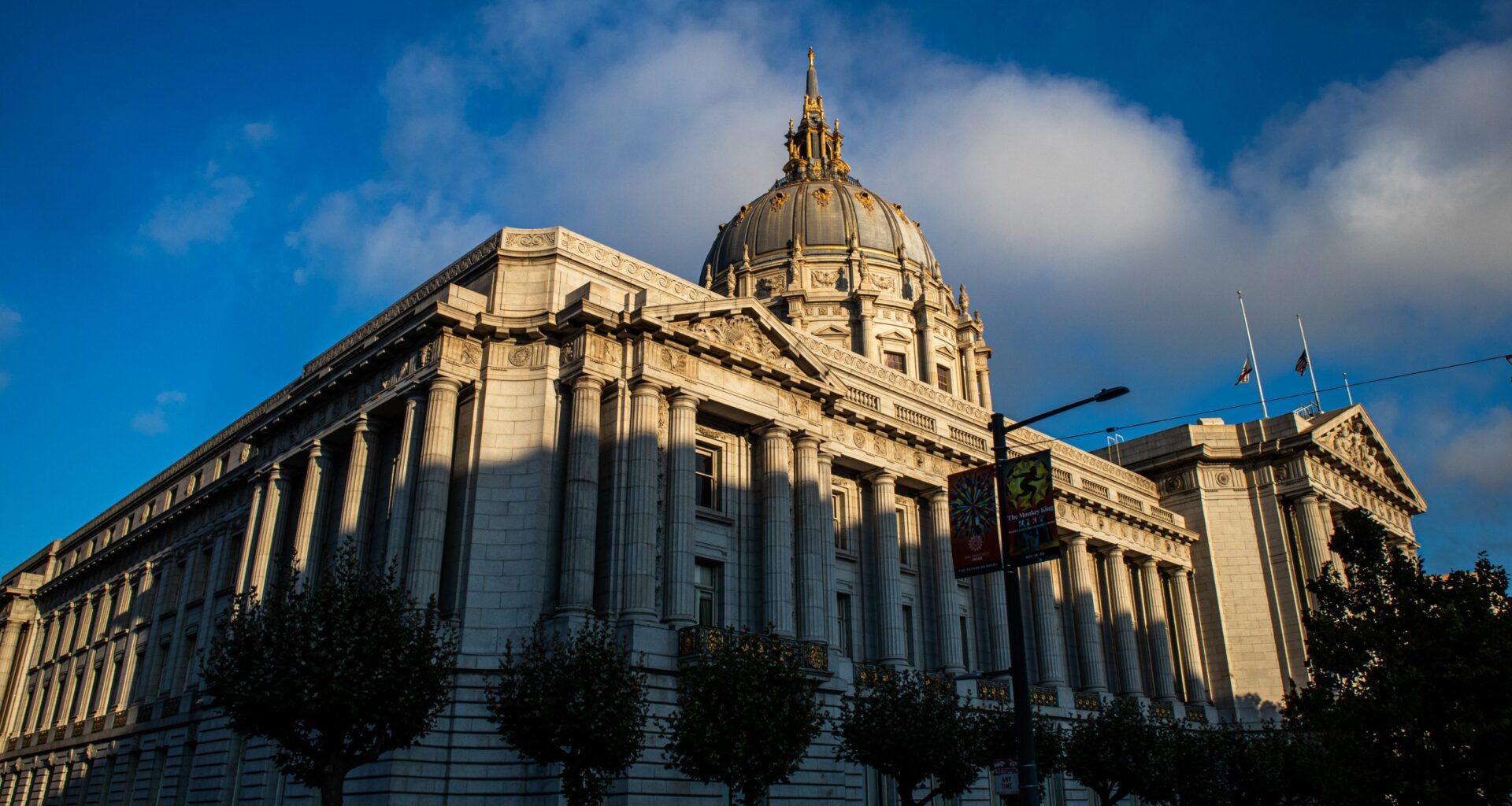
The city controller announced some good news for San Francisco’s budget today: The projected deficit is shrinking.
In December, the city’s two-year deficit was predicted to be $936 million. Now, in March, the projection is $643 million, a 30 percent decrease.
But just because the city controller’s report was rosy, Lurie wrote in a statement, does not mean cuts aren’t coming.
“We are not out of the woods,” Lurie said. “If we don’t act now, we will have to do twice as much in the coming years, with the choices becoming more difficult, more expensive, and more painful.”
In December, the mayor’s office called for $400 million in cuts and for the city to pare back what it does and focus on “core” services. Layoffs are on the table.
San Francisco’s 2025-2026 fiscal year budget is around $16 billion. Most expenses are baked into the budget and cannot be changed by the mayor or the Board of Supervisors, but the mayor does have control over about 15 percent. Last year, Lurie slashed funding for grants and contracts by $185 million and eliminated 470 positions to help reduce the city’s deficit.
According to the city controller, the more optimistic forecast is partially due to a decrease in how much the city is paying into retirement funds, and the city’s hospitals bringing in more revenue from patients.
The city is also raising more revenue than originally expected from hotel taxes, sales taxes, and transfer taxes — more than offsetting decreases in property-tax revenue from the city struggling to bounce back after the pandemic, particularly downtown.
There are still uncertainties that could shift the fiscal picture, the controller said. These include signs that the economy is weakening, more federal and state cuts, and labor negotiations — the recent agreements of 14 percent raises reached with the firefighters and police unions, for example, were not included in calculations.
The June and November elections could also change the forecast. Several tax increases and cuts are on the table. This includes the “Overpaid CEO” business tax that would raise $300 million a year, the real-estate transfer tax cut, taxes to save Muni and BART, and Supervisor Jackie Fielder’s proposal to raise funds for a public bank.