
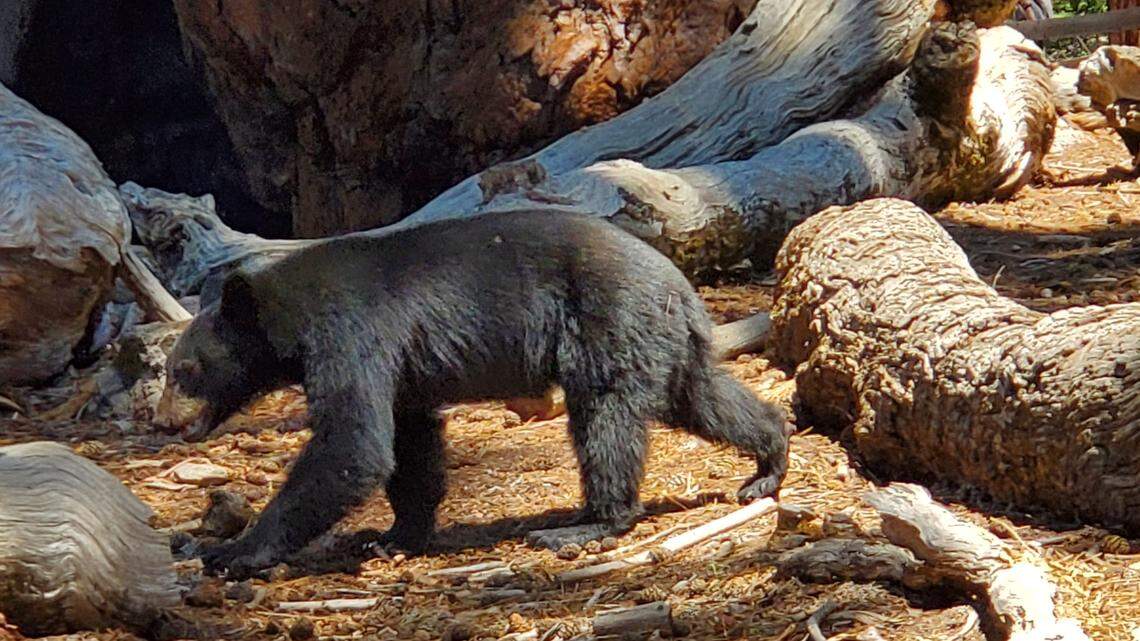
Spring is here — and wildlife activity is heating up in California.
“The arrival of warmer weather means black bears will be emerging from winter dens and actively searching for food,” the California Department of Fish and Wildlife said in a Facebook post on March 16. “This includes mother bears with new cubs of the year and quite often their yearling offspring as well that were born the year before.”
That means bears will be out and about in Yosemite National Park.
After “months without eating,” older bears are hungry and “especially motivated by strong smells,” state wildlife officials said. “The cubs, meanwhile, will learn everything from their mother, including where to find food and what’s safe to eat.
Bears search far and wide for food sources — and won’t be stopped by doors, fences, trash cans or other barriers between them and tasty morsels, The Idaho Statesman previously reported.
That’s the source of most conflicts between humans and bears.
“With more hungry bears soon on the landscape, it’s especially important to remain vigilant in keeping bears from accessing human-sourced food and garbage,” the state wildlife agency said. “Preventing bears from becoming dependent on human-sourced food keeps them wild and largely free from conflict.”
Here’s what to know:
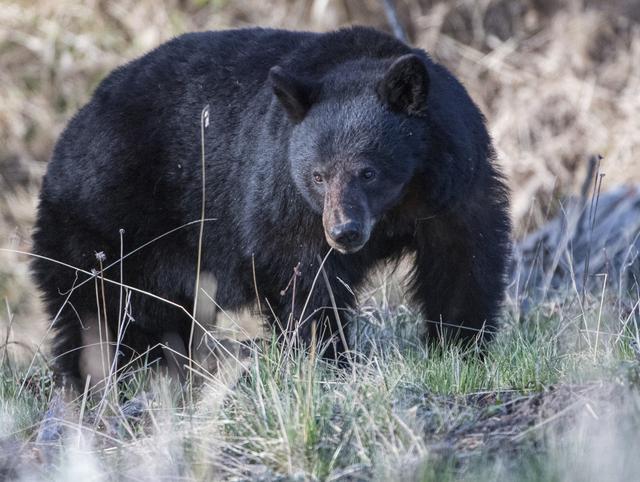 Black bears’ search for food sometimes brings them closer to people. Photo by Jonathan Newton/Getty Images When are black bears active in California?
“American black bears found in Yosemite National Park have long been of intense interest to park visitors and managers,” the National Park Service said “Seeing one of the approximately 300 to 500 black bears in Yosemite can evoke excitement, awe, and fear.”
In general, black bears in California start hunkering down in dens between October and December, and remain inside several weeks or months, “depending on local climate and other conditions,” the California Department of Fish and Wildlife said.
These “highly efficient hibernators” find shelter “under fallen logs, in vegetation thickets, high up trees, in crevices, or even under decks and patios,” the state wildlife agency said.
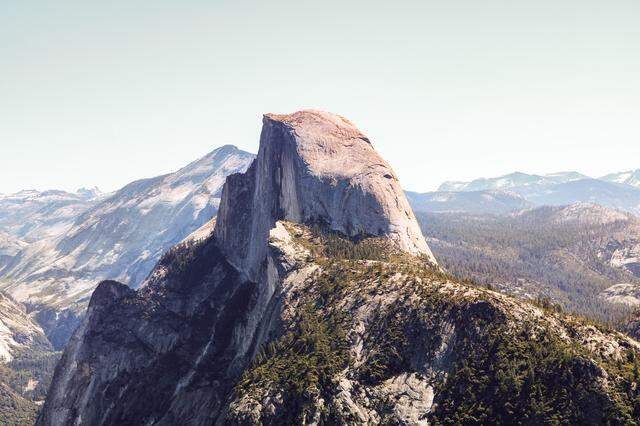 Yosemite rangers say they have found signs that bears are climbing Half Dome at the national park in California. Jason Hogan Usnplashhhh
The bears start emerging in the spring, usually between March and May, the department said.
Adult male bears usually hibernate for less time, hunkering down later and emerging earlier than adult female bears, especially those pregnant with cubs.
Black bears can appear brown or even blond or reddish brown, the National Park Service said, noting that “truly black-colored bears are rare in the West.”
Grizzly bears no longer exist in the wild in California, even though they’re featured on the state flag.
“The last known grizzly bear was shot outside the Yosemite region in the early 1920s,” state park officials said.
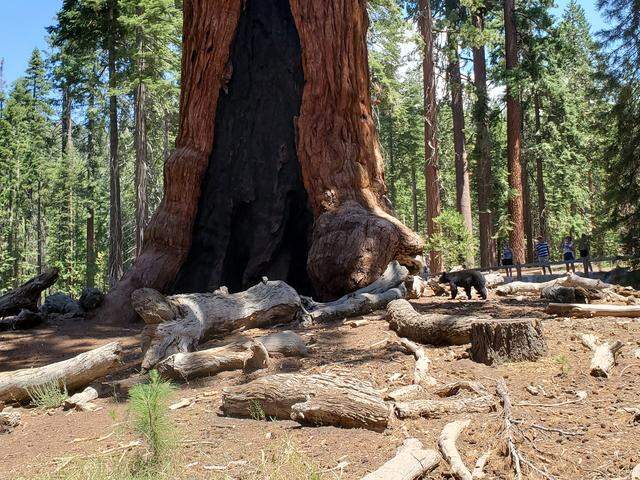 A black bear approaches the Grizzly Giant tree in Yosemite National Park’s Mariposa Grove of Giant Sequoias in August 2022. Scott Gediman/NPS Photo Special to The Bee How common are conflicts between bears and humans?
Conflicts between humans and black bears are reported “in urban, rural and mountain communities through much of California,” the state Fish and Wildlife Department said.
“As our human population expands into wildlife habitat, human-wildlife interactions have increased,” the department said.
“Most wild animals, including black bears, naturally avoid or fear humans,” state wildlife officials explained.
However, bears can lose their fear of humans and associate them with food sources, leading to property damage, public safety risks and the loss of small livestock or pets, Fish and Wildlife said.
In November, Yosemite National Park reported a total of 34 bear incidents, nearly half of them in campgrounds.
“No one has been killed or seriously injured by a black bear in Yosemite,” the National Park Service said.
In a March 19 Facebook post, Yosemite content creator Flyinghdawnmarie shared a video of a black bear she encountered while hiking
“Bears here aren’t something to be afraid of,” the content creator wrote on Facebook. “But they are wild animals. And this is their home. Being ‘bear aware’ isn’t about fear — it’s about respect.”
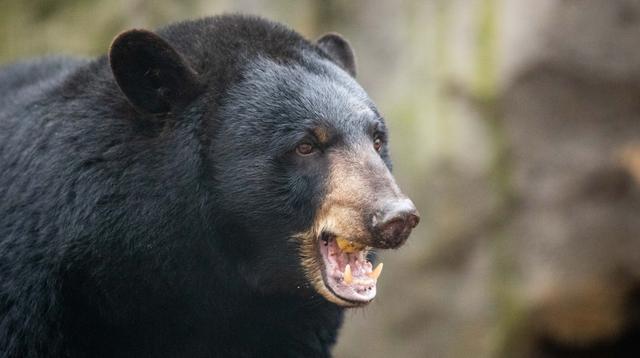 Photo by Friso Gentsch/picture alliance via Getty Images What to do if you see a bear in Yosemite National Park
If you encounter a black bear in Yosemite National Park, what you should next “depends on the situation,” according to the National Park Service.
If a bear approaches you in a developed area such as a campground, picnic area, parking lot, or lodging area, you should “act immediately” to scare it away, park officials said.
“Scare the bear away by yelling aggressively and as loudly as possible until the bear leaves,” the park service said. “The bear is intruding on your personal space: act angry and be persistent.”
Raise or wave your arms and make loud noises by clapping your hands or using a noisemaker.
You can also stand together with other people “to present a more intimidating figure,” as long as you don’t surround the bear, the Park Service said.
Park officials do not recommend “throwing food at the bear” as this will “only encourage its behavior.”
“Never have out more food than you can control and do not leave food out of arm’s reach, even for a moment,” the National Park Service said. “Scaring a bear away, along with storing your food properly, helps keep bears wild and alive.”
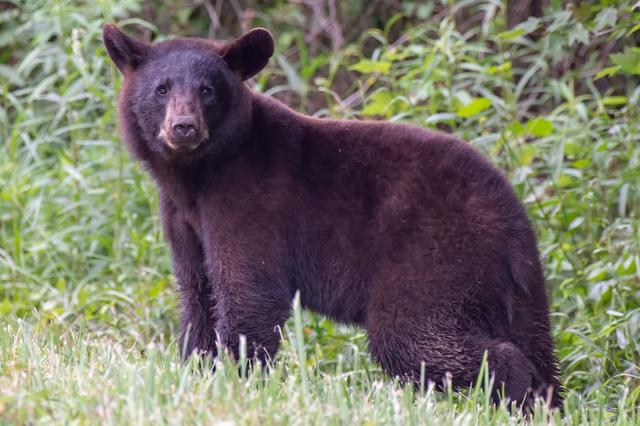 If you spot a black bear, keep your distance. Image via Shutterstock/Wirestock Creators
If you spot a bear outside a developed area, keep a distance of at least 50 yards — the equivalent of four shuttle buses parked end to end, the park service said.
“If you get closer, you will be helping the bear become used to being around people,” park service officials said. “Bears that become comfortable around people lose their natural fear of us and sometimes become too aggressive; sometimes they then have to be killed.”
Rangers use “non-lethal aversive tactics” to chase the bear out of developed area, including yelling, using noisemakers or shooting non-lethal projectiles such as rubber slugs or clear paintballs, the park service said.
“The intent is not to harm the bear, but to scare it from the area and restore its natural fear of people by providing a negative experience,” part officials said.
“These techniques are highly effective when done well,” the park service said.
How to stay safe while outdoors in bear country
“Black bear encounters resulting in human injury are rare in California,” state wildlife officials said, but the predators can be unpredictable.
“Most black bear ‘attacks’ are defensive actions if the animal is protecting cubs, becomes startled or scared,” officials said, adding that food-conditioned or habituated black bears can become bold and start acting aggressively toward people. “Each situation is different.”
To stay safe outdoors in bear country, you should:
Know the area where you’re hiking, camping or fishing, and stay aware of your surroundings at all times.Leash your pets while outdoors.Keep pets within eyesight and secure at all times. Don’t let them sleep outside.Watch for signs of black bears, including scat, tracks, den sites, and bark stripped off trees.Make your presence known by talking loudly or whistling.Travel in groups. 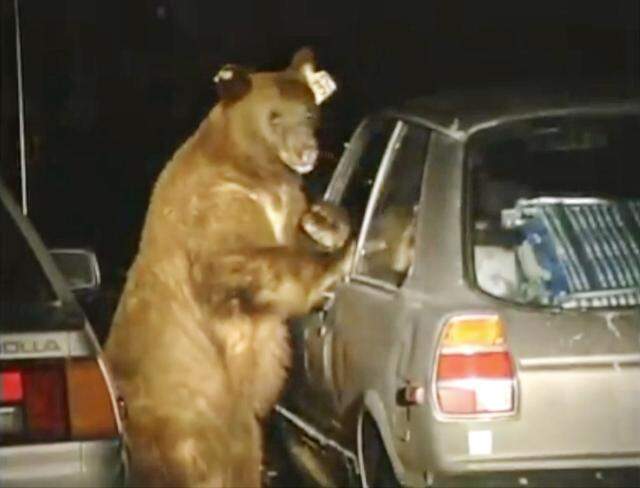 A still image captured from a 1998 video when Yosemite National Park experienced 100 bear incidents, including 87 car breakins in the month of June. Yosemite National Park
It’s also a good idea to:
Remove any unsecured food from inside your car.Remove any unsecured food or strongly-scented items in your tent.Store human and pet food, toiletries, and scented items inside bear-resistant food canisters or bear lockers.Remove trash regularly.Clean fish or field dress animals away from your campsite.Clean grills, dishes, and your eating area after every meal.Change out of clothes you cooked or ate in before going to bed.How can I report a bear sighting?
If you spot a bear at Yosemite National Park, let a ranger know in person or leave a message at 209-372-0322. If the bear is trying to get human food or won’t leave a developed area, call 911.
You can also fill out a wildlife observation report online.
Visitors to Yosemite National Park can keep track of bear incidents on the park’s website, which is “updated as often as possible.”
Loading…
Related Stories from Fresno Bee

McClatchy DC
Brooke (they/them) covers Fresno and California news as the Fresno Bee’s service journalism reporter. They previously covered wildlife and national parks out west for the national real-time team at McClatchy News. Originally from Florida, they studied journalism at the University of Florida and previously covered LGBTQ+ news for the South Florida Sun Sentinel, their hometown newspaper. When they’re not writing stories, they enjoy hanging out with their cats, riding horses or spending time outdoors.