

BAKERSFIELD, Calif.(KBAK/KBFX) — Children who experience violence, the loss of a parent, or other serious challenges at home can face lasting effects that disrupt their emotional well-being and development, according to Kern County child and family services facilitator Yadira Vargas.
RELATED: Man captured on homicide, domestic violence, and child abuse charges after woman dies
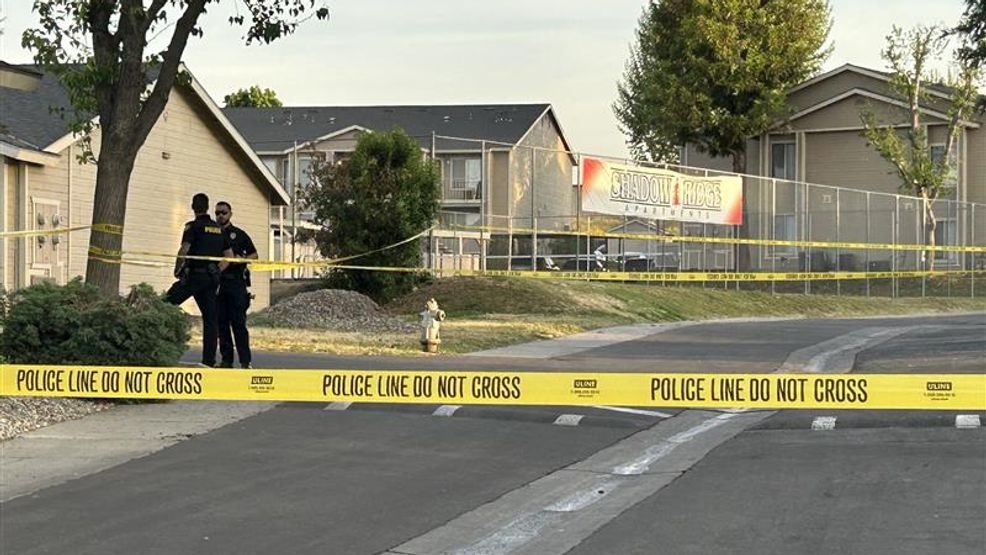
BPD investigating homicide on College Avenue (KBAK/KBFX)
Vargas, with the Kern County Network for Children, said children can be left coping with trauma that doesn’t simply fade with time.
“They can have active, prolonged stress that can interfere with their emotional regulation, learning and development,” Vargas said.
The California Department of Public Health identifies exposure to violence, the loss of a parent, or household challenges as adverse childhood experiences, often referred to as ACEs. Data shows thousands of children across California are impacted by these types of trauma.
Vargas said one of the first steps after a child has been exposed to a traumatic incident is connecting them to help early, with the goal of preventing long-term effects.

Psychiatrist or professional psychologist counseling or therapy session to male patients suffering from mental health problems. due to economic failure after the COVID-19 pandemic. PTSD Mental health.
“They need to be assessed to see that their mental health is being supported, whether it’s through therapy or crisis intervention,” she said.
She said the response often depends on which agencies are already involved, including law enforcement or child protective services, which can help connect families to appropriate programs and resources.
“Sometimes law enforcement is already involved, and then child protective services may become involved,” Vargas said.
Vargas said support can come from child protective services, schools and mental health providers.

pediatrician-ap-042114_606.jpg
She added that schools can also play a key role in supporting children after traumatic events.
“The schools have support such as school site social workers, counselors that can give a little bit of guidance,” Vargas said.
But she said gaps still exist even when efforts are made to connect children with resources.
Some children may not want to seek help outside their safety net. In other cases, barriers such as transportation or language can make it harder to access services.
“Sometimes there may be a delay in getting them connected to the service,” Vargas said.
Even so, early intervention and community support can make a lasting difference, Vargas said, emphasizing the importance of stable relationships as children recover.
“Make sure that the child has that safe, stable, and nurturing relationship with a consistent and caring adult,” Vargas said.

The woman appears cheerful, possibly praising the child during a block building exercise beneficial for motor skills development and aligned with speech therapy or psychologist strategies
She said each child responds to trauma differently, and support systems should take that into account.
“Each child processes things in a different way,” Vargas said.
“Children can heal, they can build resilience and they can move forward with hope,” she said.