
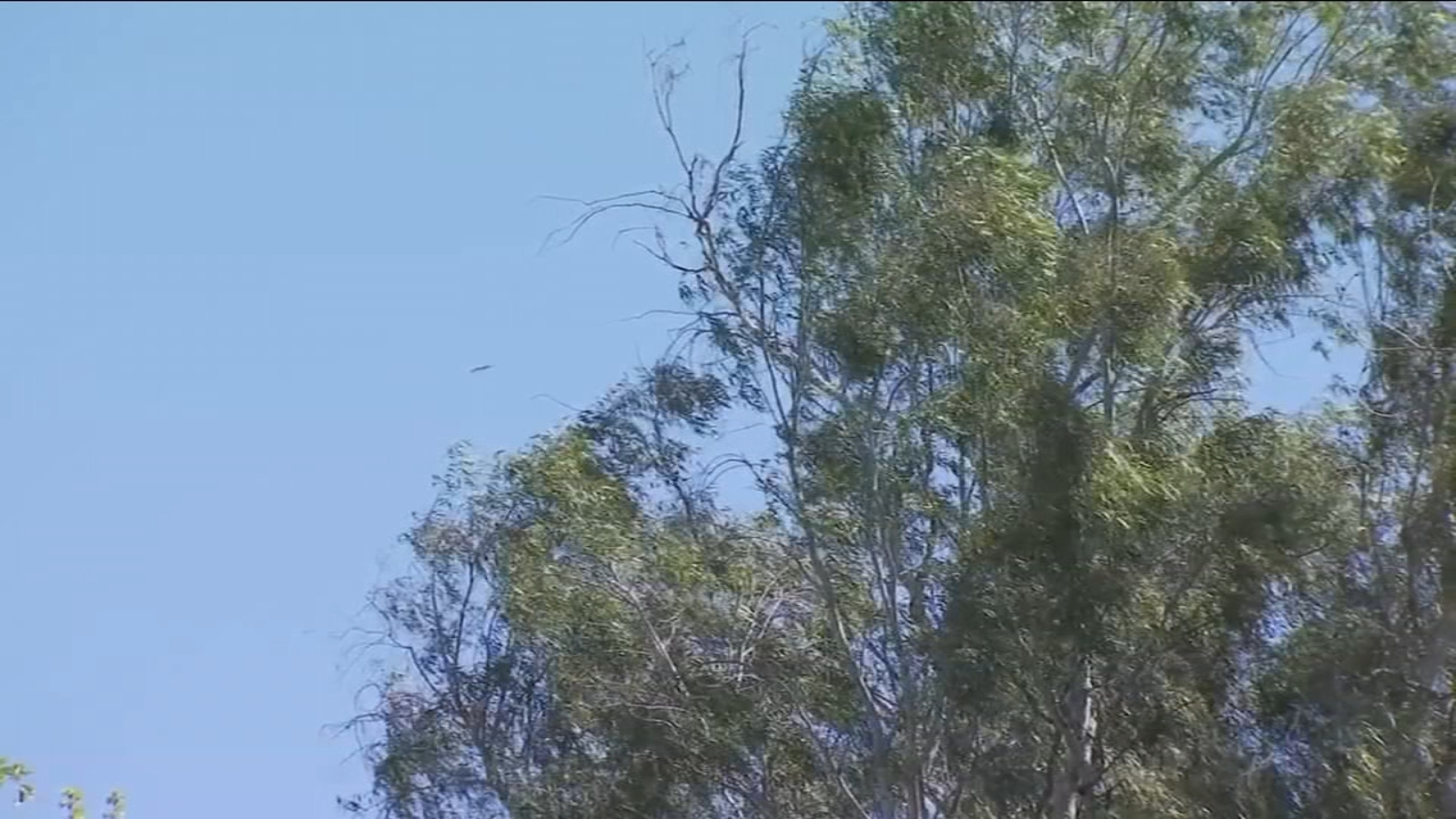
FRESNO, Calif. (KFSN) — Strong winds swept across the Valley on Thursday, rustling trees at Roeding Park and raising concerns for farmers, allergy sufferers and health experts as dust and pollen filled the air.
The gusts added fresh worries for cotton growers, many of whom are in the middle of planting or have recently planted crops earlier than usual this year because of warmer weather.
“We’ve just planted, and we’re in the process of planting, so the first concern is you won’t master the seed beds, so when the wind blows across that soil, it’s gonna dry it up. How strong is the wind, and how sustained is it?” said Roger Isom of the Cotton Growers Association.
More than 90,000 acres of Valley farmland are planted with cotton. This season has been unique, with growers beginning planting about a month ahead of schedule.
That early start leaves the young plants especially vulnerable to damage from strong winds.
“They’re just coming out of the ground. They’re very tender. They have a lot of sand things like that. It can hurt it pretty bad. Our biggest concern right now is it just drying out,” Isom said.
Beyond agriculture, the windy conditions are also taking a toll on people with allergies.
The combination of changing temperatures, rising pollen counts and blowing dust has created difficult conditions for sensitive residents.
“Sneezing, sinus problems, eyes watering, itchy and dry, I have a lot of coughing,” said Carla, a patient experiencing allergy symptoms.
According to AccuWeather, Fresno experienced a very high pollen count on Thursday.
Strong winds can carry fine, powdery pollen from trees for miles, increasing exposure across the region.
Health experts say the wind can also stir up soil particles that pose more serious risks.
Dr. AM Aminian, medical director of the Allergy Institute, said the Valley’s extensive agricultural land contains mold spores that can be harmful when inhaled.
“The dirt in this area has a lot of mold spores, that’s why we have Valley fever. If it gets into your lungs, you’re going to end up with a fungal infection in your lungs, which is not a good disease,” Aminian said.
Dr. Aminian explained that airborne particles often enter the body through the eyes and nose first, but he said there are steps people can take to reduce exposure and prevent allergy flare-ups.
“Number one, don’t be in the air quality too long. Remember, with the wind, a lot of this dust and dirt sticks to your skin, your clothing and your hair and it could be going inside your nose as soon as you go home, do a nasal rinse, change your clothing and take a shower,” he said.
He also advises residents to be mindful of pollen patterns.
Dr. Aminian noted that pollen is released in the early morning hours and recommended keeping windows closed overnight to prevent particles from blowing into homes.
For news and weather updates, follow Brisa Colón on Facebook, X and Instagram.
Copyright © 2026 KFSN-TV. All Rights Reserved.