
April 1 is the most important day for evaluating California’s water resources for the year and is considered the end of the rainy season, which runs from Oct. 1 through March 31. The last day of March is also when final snowpack measurements are made in the Sierra.
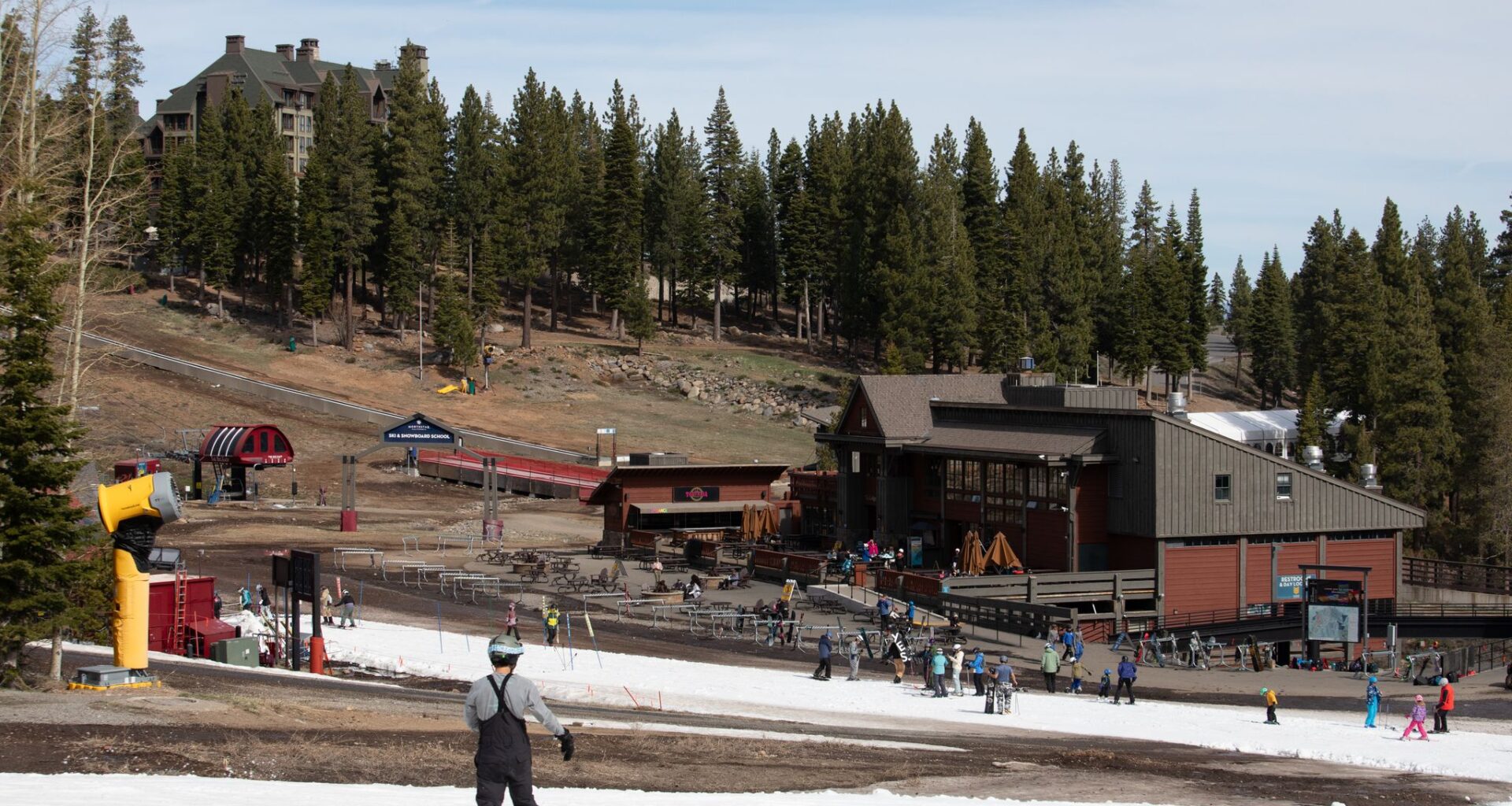
The bad news this year is that the snow is already almost gone. On average, California’s April 1 snowpack stores around 27 inches of water, equivalent to billions of gallons of water. This year, it is less than 5 inches, and the mountains are largely bare.
What we’re seeing is a clear signal of human-caused climate change. California received about its average precipitation this winter; however, only a small fraction was snow. Extraordinarily high temperatures wiped out the snow, either sublimating it off into the atmosphere or turning it into runoff too early in the year to be captured by reservoirs.
From a water-supply perspective, the state is in OK shape: Major reservoirs are full, ensuring that, this year at least, cities and farms will get most of their desired allocations. The longer-term trends, however, are worrying. Ever-rising temperatures will continue to turn snow to rain and melt our snowpacks earlier. Our water supply depends on mountain snow storage to supplement our artificial reservoirs. Without the snowpack, we will draw down our reservoirs earlier, cutting into our reserves and worsening the impact of the inevitable droughts we suffer.
Just look at the crisis on the Colorado River, where, despite having some of the largest reservoirs in the world, reductions in flow due to climate change and continued unsustainable demands have drawn down water supplies to critical levels, forcing difficult and so-far-unresolved political decisions about water allocations and use.
The loss of snow also has other serious repercussions. When snowpacks were healthy and melted slowly, the water kept soils moist and vegetation healthy through the spring and summer. With the loss of snowpack, coupled with rising temperatures, the state’s soils and plants are drying out faster, worsening the risks of the devastating wildfires we’ve experienced increasingly in recent years. The earlier runoff also means that California’s rivers and streams are drying up sooner, threatening the health of natural aquatic ecosystems and our fisheries. There are other economic consequences as well, including a serious long-term threat to the multibillion-dollar ski industry.
These impacts were predicted decades ago by climate and water scientists. My own research 40 years ago modeled how climate change would affect water resources in California and showed how rising temperatures would melt mountain snow and change runoff patterns in major rivers. Climate models have long shown similar impacts in mountain regions around the world, along with an intensification of the risk of extreme flooding and drought. Observations around the world, including from the United States, now show these changes are occurring.
It’s too late to prevent severe climate change from happening — we’ve twiddled our thumbs too long, and our politicians have paid too much attention to disinformation from climate deniers and the fossil-fuel companies. But it’s not too late to try to build resilience into our water systems to make them more flexible and adaptable to now unavoidable impacts. Far more could be done to reduce wasteful and inefficient agricultural and urban water usage, reducing pressure on limited resources.
Reservoirs can be operated differently to capture earlier snowmelt that is being lost. Greatly expanding the use of high-quality treated wastewater, something done extensively in places like Singapore and Israel, can meet a substantial part of our urban water needs without putting more pressure on overtaxed natural surface and groundwater resources. Far more of our winter runoff can and should be captured in Central Valley groundwater — a cheaper, faster and better alternative than trying to build any more old-style damaging surface reservoirs. And we can accelerate progress in replacing fossil fuels with renewable energy — a policy California has long pursued — reducing greenhouse gas emissions and showing the rest of the world that our needs for energy can be met in cleaner, less climate-destroying ways.
It is long past time to build a more resilient water system for the future that, as this year’s paltry snowpack attests, is fast becoming our present.
Peter Gleick is co-founder and a senior fellow at the Pacific Institute in Oakland and a member of the National Academy of Sciences.