
Blocking a key protein that enables ovarian cancer has shown promise in the fight against it. But a three-pronged approach including chemotherapy and immunotherapy appears to be even more effective, according to findings from researchers at UC San Diego and Sanford Burnham Prebys in La Jolla.
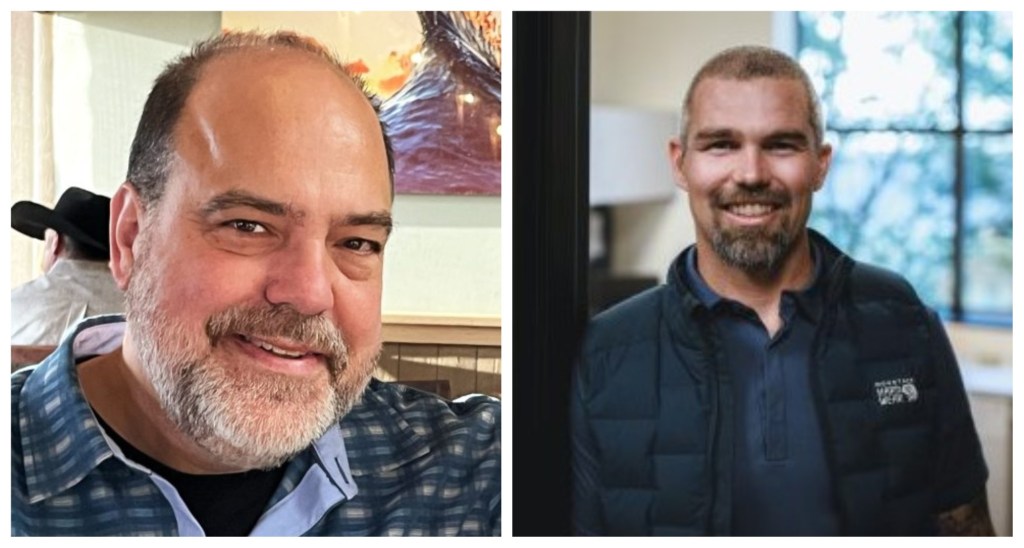
The study, published recently in the scientific journal Cell Reports, is the product of collaboration between David Schlaepfer, a professor in the Department of Obstetrics, Gynecology and Reproductive Sciences at the UC San Diego School of Medicine, and Kevin Tharp, an assistant professor in the Cancer Metabolism and Microenvironment Program at Sanford Burnham Prebys.
Previous research identified a problem protein, focal adhesion kinase, in several high-grade cases of ovarian cancer.
In this study, scientists determined that combining FAK-inhibiting drugs with immunotherapy and chemotherapy yielded the best results in mice in suppressing tumor growth, attracting tumor-fighting immune cells and extending survival.
While FAK-targeting drugs are already in clinical trials against ovarian cancer, the study indicates the three-pronged approach may be more effective.
“All of the three together aren’t very toxic to the mouse, so we’re looking for a therapy that’s going to be very tolerable for patients but yet have strong tumor-fighting activity,” Schlaepfer said. “And that’s a combination that nobody’s come up with yet.”
Tharp said this approach is a way to allow tumors to be cleared out.
“Identifying any treatment that unmasks the tumor to the immune system is a really important strategy to dealing with metastatic disease, which is one of the primary causes of lethality in late-stage ovarian cancer,” he said.
“These tumor cells have enhanced signaling that promotes their growth and survival but also masks some of this immune coordinating signal that would otherwise get the immune system to investigate what’s wrong with these cells,” Tharp said. “We’re drugging a pathway that causes the cells to release a damage signal that allows the immune system to recognize a problem.”
The study builds on work from Schlaepfer’s lab and later contributions from Tharp.
“They had already worked out the phenomenon that inhibiting focal adhesion kinase in ovarian cancer had established a more robust anti-tumor immune response, and they had some hints as to how that could work,” Tharp said.
“Due to my research program studying similar processes in other diseases, I had some clues as to how this would occur and what type of methodologies could be used to actually identify the exact molecules that were contributing to that signal to the immune system.”
Schlaepfer said “I ran into Kevin and we were talking and he got excited about the project we were working on. He had the expertise in metabolism and lipids and things went from there.
“We kind of had this hurdle that we couldn’t get over, so it was a great collaboration.” ♦