
Northern California authorities announced Friday that they have identified the remains of two men who went missing decades ago, resolving a pair of cold cases that had remained unsolved since the mid-1990s.
The men were identified as Charles Marrs and Gregory Hugh Oliver.
The Humboldt County Sheriff’s Office credited the breakthroughs to forensic genealogy, a process that combines advanced DNA sequencing with traditional genealogical research to locate living relatives.
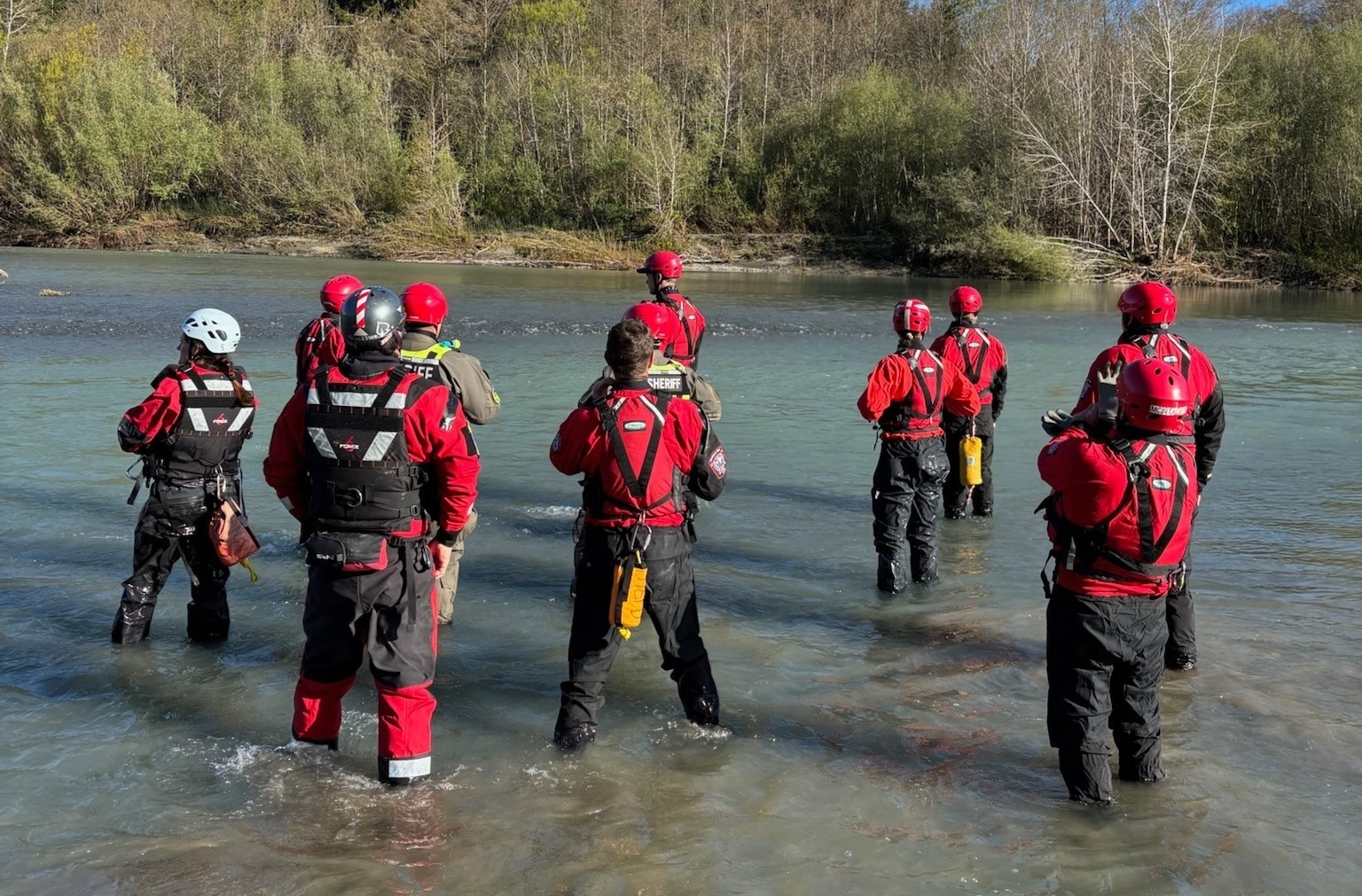
In May 1993, the 63-year-old Marrs fell into the Trinity River near the Big Rock River Access in Willow Creek. Despite an extensive search involving the California Highway Patrol and a Coast Guard helicopter, his body was not recovered.
Two years later, in 1995, a skeletonized arm and hand were discovered near the Hoopa Airstrip. Although a DNA profile was entered into national databases, no matches were identified for nearly 30 years.
In 2025, the Sheriff’s Office partnered with the California Department of Justice and Othram Inc., a private laboratory. Using forensic genome sequencing funded by a federal grant from Rep. Jared Huffman, investigators identified a potential nephew of the deceased.
DNA testing of the relative in March confirmed the remains belonged to Marrs.
The second identification resolved a 1996 case involving a human skull found off Fickle Hill Road in Arcata. Initial DNA testing was unsuccessful because exposure to the elements had severely degraded the remains.
Investigators eventually utilized the same forensic genealogy pipeline to link the remains to Gregory Hugh Oliver, who had been reported missing to the Palm Beach County Sheriff’s Office in Florida in 1983. In March, the California DOJ confirmed the identity after comparing the remains to a DNA sample provided by Oliver’s mother.
“It’s hard not to be in awe of the DNA work that is done at the California Department of Justice, and now combined with the assistance of forensic genetic genealogy, cases that are decades old are being solved,” Alan Barcelona, president of the California State Law Enforcement Association, said in a statement. “Identifying human remains not only assists family members with closure, but in homicide investigations, it gives investigators potential new leads.”