
California has secured an early legal victory in its escalating battle with the Trump administration over oil drilling along the Central Coast, as a federal court declined to halt enforcement of the state’s landmark health protection law.
The ruling allows Senate Bill 1137 to remain in effect while litigation proceeds. The law bans new oil and gas wells within 3,200 feet of homes, schools and hospitals — a measure state officials say is critical to protecting public health in communities long exposed to fossil fuel development.
On March 31, the court denied a request from the U.S. Bureau of Land Management to block the law, allowing the protections to stay in place as the case moves forward.
The decision comes as the Bureau of Land Management proposes opening up roughly 850,000 acres across the region to new oil and gas development — a plan that conflicts with SB 1137’s restrictions on drilling near populated areas.
Research has linked living near oil and gas operations to a range of public health risks, including adverse birth outcomes, respiratory illness and higher cancer rates.
Arguing the law “unreasonably burdens domestic energy development” and undermines affordability and energy independence, the Bureau of Land Management sued California in January.
The agency sought a preliminary injunction, contending the state law unlawfully restricts drilling on federal lands. The court rejected that argument.
Environmental and public health advocates called the ruling a significant early win.
“Today’s decision is a win for Californians who have been saying for years that oil and gas drilling and its rampant pollution shouldn’t be anywhere near our schools, hospitals and communities,” said Tomás Rebecchi, Central Coast organizing manager at Food & Water Watch. “This is an important moment for our health and safety … and we applaud the court for keeping this important protection in place while the lawsuit plays out.”
The legal clash is part of a broader push by the Trump administration to expand oil and gas development across California, including on federal lands along the Central Coast.
State officials, including California Attorney General Rob Bonta, have pushed back, arguing that federal approvals rely on inadequate environmental review and threaten both ecosystems and nearby communities.
“It’s a completely fabricated claim intended to curry favor with the oil industry,” Bonta said, criticizing the administration’s justification.
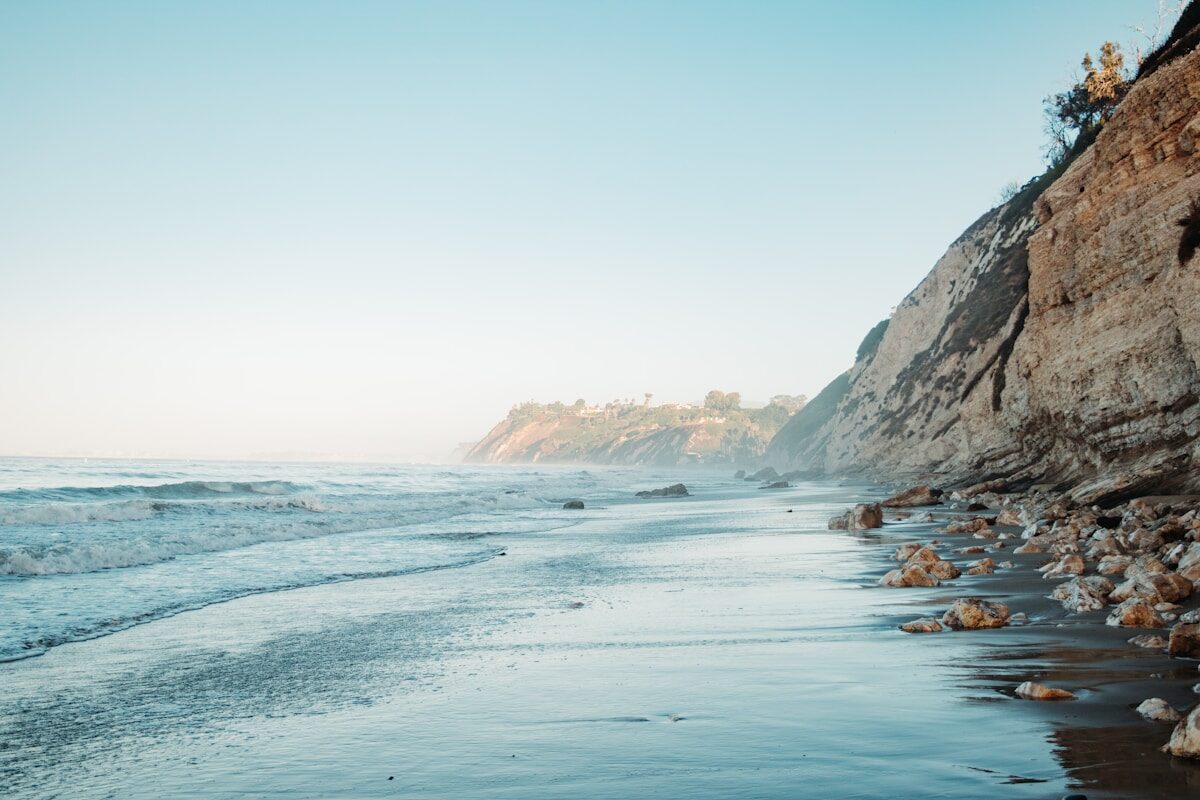
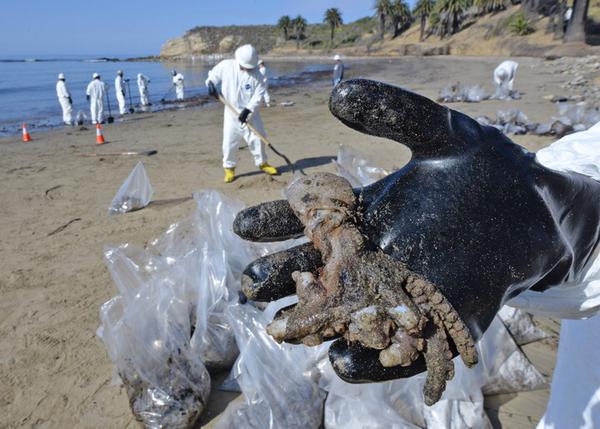
As reported earlier by SW Newsmagazine, Santa Barbara has emerged as a focal point in the dispute, reflecting a long and contentious history with oil development. Major spills in 1969 and 2015 helped shape strong local opposition to new drilling.
Recent federal efforts to revive offshore oil infrastructure have intensified concerns among environmental groups and state leaders, who warn of renewed risks to coastal habitats and marine life.
Industry representatives and federal officials, however, argue that expanding domestic oil production is necessary to ensure energy security and stabilize supply.
The dispute over SB 1137 is one of several legal battles between California and the Trump administration over energy policy, including challenges to offshore drilling approvals, pipeline operations and federal leasing plans.
For now, California’s buffer zone law remains in place — a temporary but meaningful victory for state regulators and environmental advocates. With multiple lawsuits still pending, the broader fight over oil drilling in Santa Barbara and beyond remains unresolved.
“Californians can breathe easier knowing that the state’s protections against oil and gas drilling are still in place,” said Victoria Bogdan Tejeda, an attorney at the Center for Biological Diversity’s Climate Law Institute. “We’ll continue fighting to ensure these critical safeguards aren’t ripped away by the Trump administration’s dangerous ‘drill, baby, drill’ policies.”
Like this:
Like Loading…
Related
Discover more from SW Newsmagazine
Subscribe to get the latest posts sent to your email.