
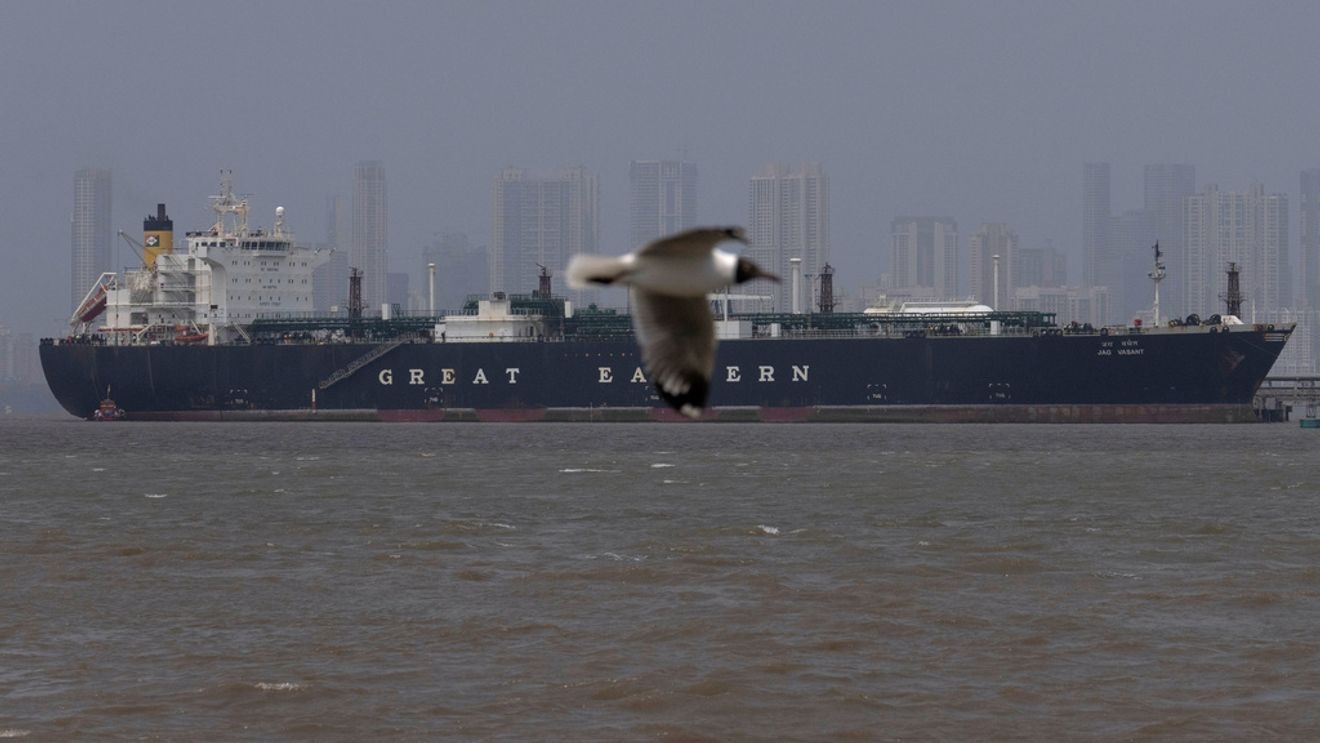
BAKERSFIELD, Calif. (KBAK/KBFX) It has been a little under a month since Iranian forces declared the Strait of Hormuz closed, and the impact is being felt far beyond the Middle East, including at gas pumps and on farms in California.
In a presidential address, President Trump acknowledged rising prices and called the increase temporary.
“Many Americans have been concerned to see the recent rise in gasoline prices here at home. This short-term increase is entirely the result of the Iranian regime,” Trump said.
Some Bakersfield residents said they are bracing for higher costs.
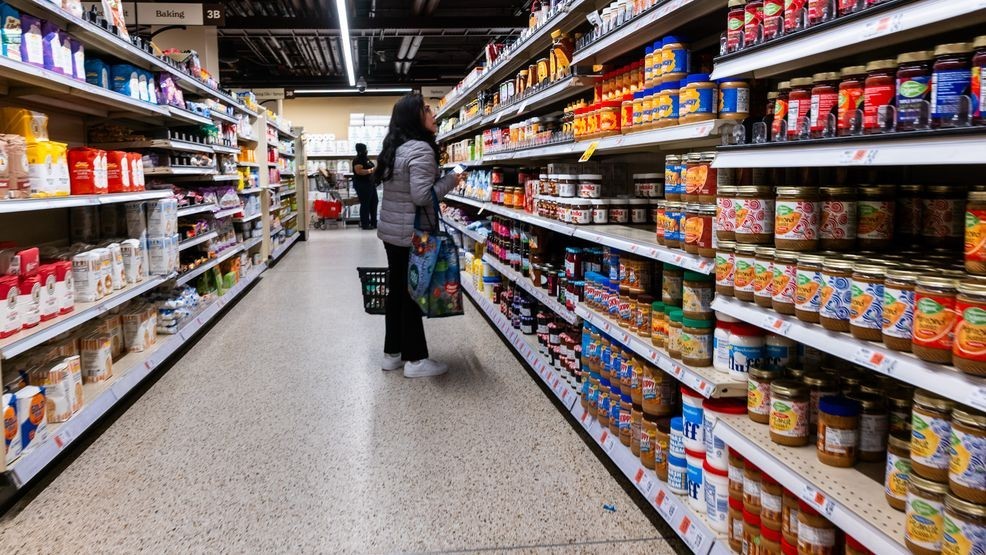
Fertilizer prices rising due to Strait of Hormuz closure (Photo by Spencer Platt/Getty Images)
“I think that we always hear when there are times of war, or there’s turmoil going on in the country that we are expected to notice rising costs of things like gas and groceries, things all around,” said Jillian Moss.
Farmers across California are also watching fertilizer prices closely as global tensions continue to disrupt supply chains.
While the United States imports most of its fertilizer from areas such as Canada and Russia, the Strait of Hormuz still plays a key role in fertilizer pricing.
Gbenga Ajilore, chief economist at the Center on Budget and Policy Priorities, said nitrogen fertilizer is among the most widely used by U.S. farmers and that parts of the production process rely on inputs that move through the Strait of Hormuz.
“Nitrogen fertilizer is one of the biggest fertilizers that farmers in the US use. And a lot of the part of the process and the inputs to the fertilizer producing that come from the Strait of Hormuz,” Ajilore said.
Ajilore said fertilizer prices have already jumped sharply in recent weeks.
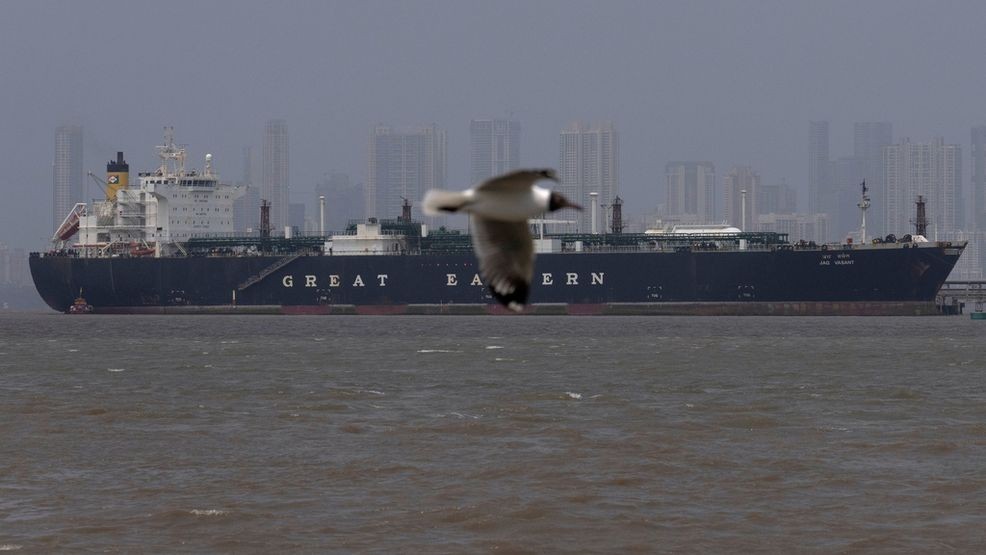
Fertilizer prices rising due to Strait of Hormuz closure(AP Photo/Rafiq Maqbool)
“I know one of the fertilizers is like a $1000 a ton when, just a couple weeks ago, we’re looking at $600 ton,” he said.
Those higher costs, Ajilore said, can squeeze farmers’ bottom lines and make it harder to compete in export markets, especially when they cannot raise prices enough to cover the increase.
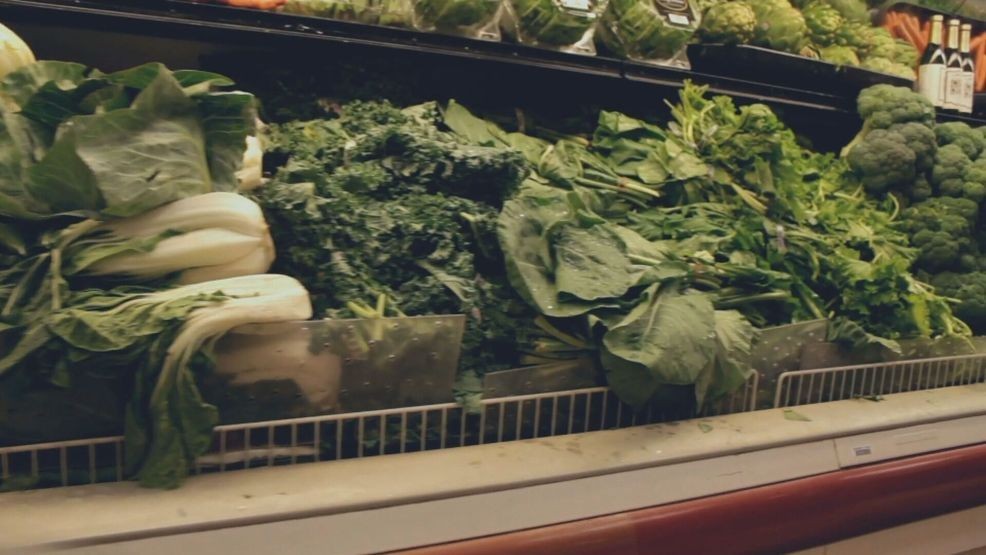
Fertilizer prices rising due to Strait of Hormuz closure (Photo: KUTV)
“And so, the question is how much farmers can pass those costs on. A lot of the time, they can’t pass that cost on. So, what ends up happening is their profit margins get thinned,” he said.