
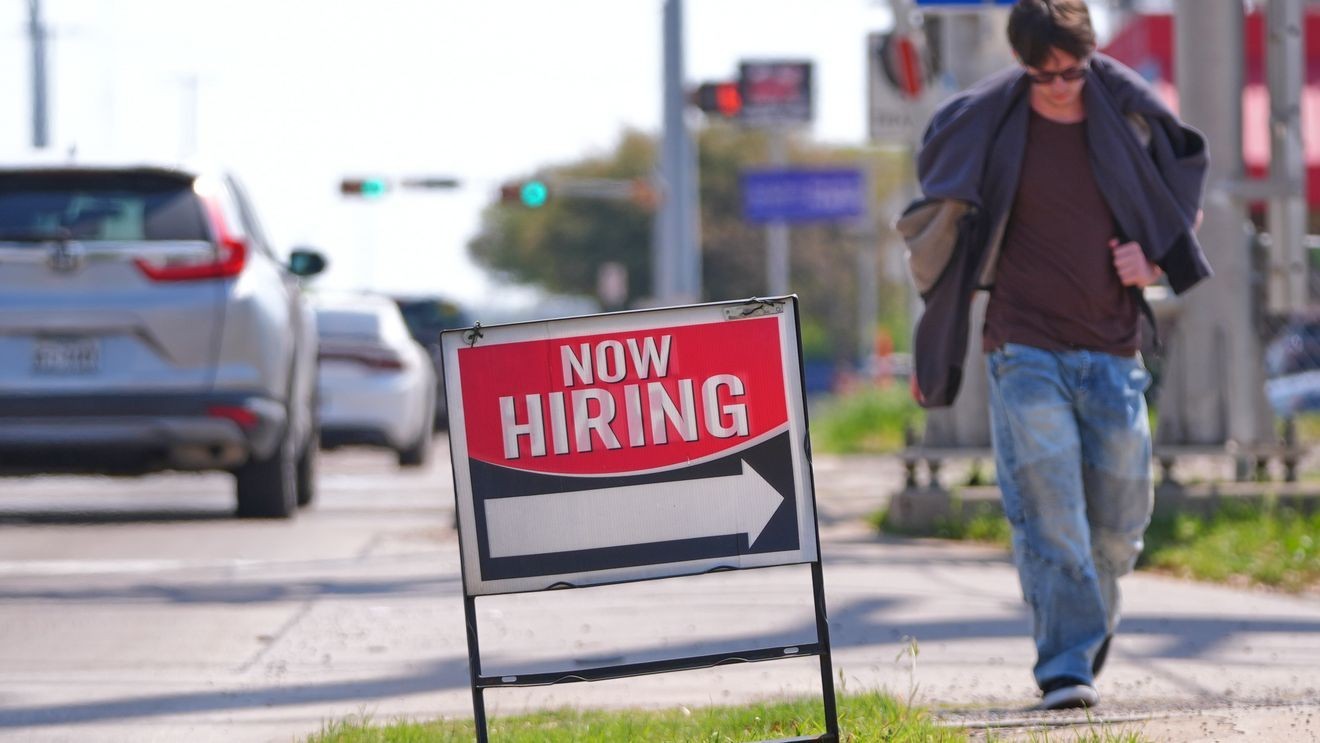
WASHINGTON (TNND) — The U.S. job market showed unexpected strength last month, with employers adding 178,000 jobs in March, according to new data from the Labor Department.
That marks a sharp rebound from February, when the economy lost 133,000 jobs. The latest numbers also came in well above expectations, with hiring nearly three times higher than economists had predicted. The unemployment rate edged down to 4.3%, compared to 4.4% the month before, though the decline was partly due to nearly 400,000 people leaving the labor force.
Much of the job growth came from the health care sector, which added more than 76,000 jobs. That increase was partly driven by workers returning after a major strike earlier this year. Other industries also saw gains, with factories adding about 15,000 jobs and construction adding 26,000, likely helped by warmer weather.
Overall, more than half of the jobs created last month were in health care and social assistance, a trend economists say is tied to the country’s aging population.
Wages grew at a steady pace. Average hourly pay rose 0.2% from February and 3.5% compared to a year ago, a rate economists say is consistent with the Federal Reserve’s goal of keeping inflation near 2%.
Despite the strong March report, the broader job market has been weaker over the past year. In 2025, employers added an average of just 9,700 jobs per month, one of the slowest hiring rates outside of a recession in more than two decades.
“There’s zero net job creation in the private sector,” Federal Reserve Chair Jerome Powell said during a press conference in March. “But actually that looks like that’s about what the economy needs in terms of dealing with very, very low — nonexistent, really — growth in the labor force.”
Businesses have been cautious about hiring due to high interest rates, uncertainty over government policies, and concerns about how artificial intelligence could affect jobs. At the same time, companies have also been reluctant to lay off workers, creating what economists describe as a “no-hire, no-fire” job market.
That trend has made it harder for younger workers and entry-level applicants to find opportunities.
Economists also say the March numbers may not fully reflect the impact of ongoing global tensions, including the war involving Iran and rising energy prices, which could influence hiring in the months ahead.
Just this week, gas prices in the United States rose to $4 a gallon for the first time since the summer of 2022.
Overall, the report shows a stronger-than-expected rebound in hiring, but uncertainty remains about whether that momentum can continue.