
CA lawmakers prompted to address federal CalFresh eligibility cuts | California Politics 360
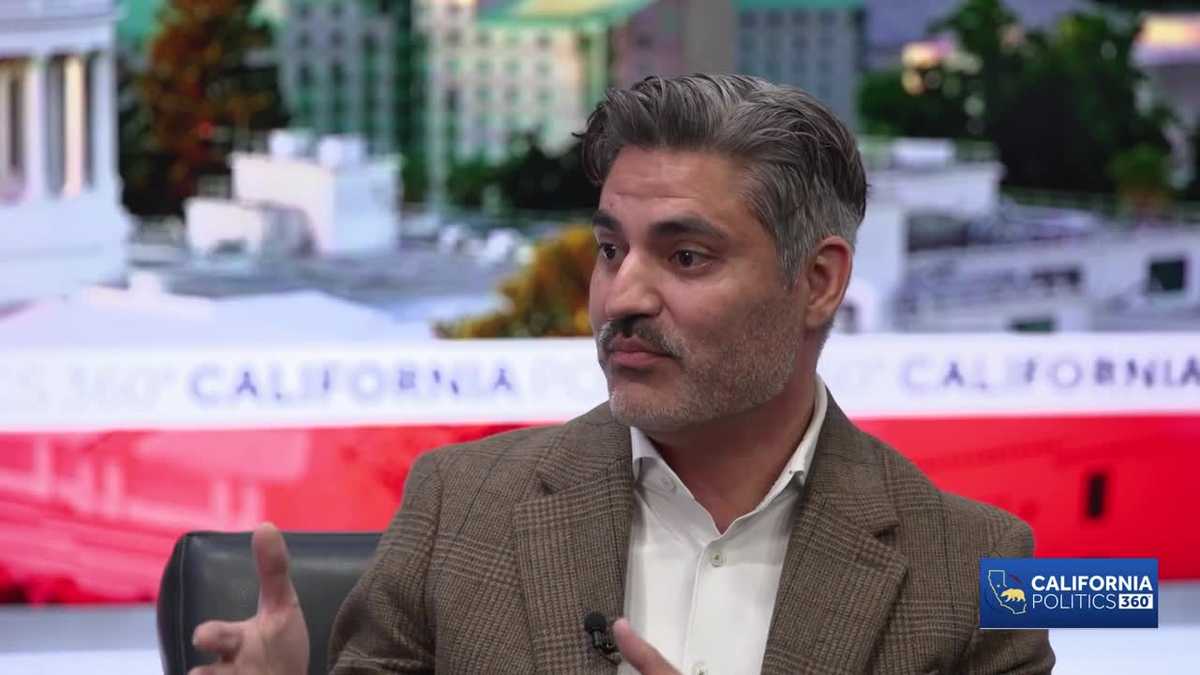
Carlos Marquez the 3rd, thank you so much for making time for us. Thank you for the invitation, Ashley. So uh just to set the stage here with the changes that took effect this week. What are counties hearing as it relates to, you know, the people who are in need right now and then also how this is impacting food banks? Well, counties are currently reacting to *** number of incoming calls that they’re getting from *** specific population that lost their food assistance benefits, which we call C Cal Fresh in California as of April 1st due to the changes under the one big beautiful bill, HR 1. These are folks, refugees, asylees, these are folks who’ve experienced religious persecution, sexual minorities in other countries, people fleeing war-torn environments, Afghan parolees who fought alongside our service members, um, these are folks who are now have lost their food assistance and so counties are fielding these calls of. Concern and anxiety and doing their level best to redirect these folks to our emergency food system which really is relegated today for those folks to our local food banks um and then beyond that population counties are training their current eligibility workers and these are the folks who are really the front. Door to determining whether or not someone is eligible for food assistance or medical benefits and for those counties that are resource fortunate enough to be able to hire new workers, they are recruiting *** fleet of of new workers to ultimately accommodate all of the new workload that’s associated with implementing. Um, these very, um, ultimately, um, these big procedural hurdles associated with HR1 that do nothing more than erect *** number of paperwork barriers to people keeping their benefits, and are these families, are these like single people who ultimately is impacted? Like what, what members of our community aside from knowing that they are immigrants, I mean what else? About them, people are impacted across the spectrum, certainly families of children who are over 14 years old. Um, you have veterans, uh, people who are experiencing homelessness who will be impacted, um, the working poor who are living paycheck to paycheck, um, but are able to access *** little bit of help from. The state and the federal government through um through Cal Fresh and and through Medi-Cal. These are our neighbors, these are our friends and family members, uh, who may be receiving these benefits without, uh, those of us who are close to them even. Knowing, um, but they may be, um, you know, in crisis because they are losing or about to lose these benefits and these changes were ultimately expected but were I mean were counties prepared? I mean how did it look um just going into this month. So to be clear, counties, uh, I don’t think have been set up properly for success to meet this moment and to make sure that we’re doing everything possible to stabilize our communities who are most impacted by these changes. Um, we are *** partner and an extension of. The state and the federal government, after all, Medi-Cal and CalFresh are are federal and state programs that counties administer at the local level, uh, and we have not been properly funded to implement these new procedural hurdles and requirements for HR one. Uh, what in, in *** way that we believe is responsible and, and even compassionate, we do believe that there’s *** way that we can implement these changes that alleviate the administrative burden on workers and clients alike and that ensure that as many people who are on MediCal and Cal Fresh today can stay on those benefits as possible, but that will require additional staff who are well trained and adequately supported. And as of the governor’s budget in January, the state budget does not propose any meaningful new funding to implement this law responsibly. We’re California after all. We should be leading the way in *** harm reduction approach that keeps as many people on these benefits as possible. That’s the best response we can have to *** federal government that several of us absolutely abhor. And are opposed to in terms of the policy orientation that they’ve adopted, um, but we aren’t seeing that level of urgency from the administration. We are making promising traction in the legislature, but again these changes are going into effect now and then starting June 1st and then for Meal in January, and it takes time to scale up so that we can properly keep people on benefits. The administration was saying in January that it, it needed time. to flesh out what HR 1 would look like just broadly, I mean, do you push back on that? I mean, the administration saw this coming and probably should have included more details, granular solutions to deal with this. Sure, I mean, I think it’s *** yes and right? I think that the administration. Has actually been quite thoughtful in some ways, um, but all of the innovation that they’re thinking through to essentially leverage automation and technology to reduce the administrative, uh, burden on workers and clients alike, um, *** lot of it is on, it’s on paper. So what we’re saying is, yes, that’s *** great plan, thank you very much for the design around implementation. Being thoughtful, uh, we definitely embrace the work that they’ve done in that regard, but now we’re saying you have to fund the work. The plan can’t exist alone on *** shelf growing dust, and at this point we haven’t seen *** proposal for additional funds to augment our existing workforce, but in June there’s going to be more changes. Right, I mean that could compound this issue if you could explain what those are. Well, first we’re looking forward to seeing what the administration has to propose at the May revision, which will be key, and they will have had an opportunity to update the budget based on tax receipts and also, you know, refined assumptions around what’s possible in terms of maintaining people on benefit. If it’s through automation and other mechanisms, but June is key because that’s the date June 1st when counties are actually gonna have to implement these massive changes for about *** million Cal Fresh recipients. These are folks who are receiving basic food assistance on *** monthly basis. Um, large portion of them are working. Um, every dollar that the Cal Fresh program. Uh, receives, uh, or puts out generates about $1.50 in economic activity. So it’s not just about the, uh, up to *** million C CalFRES recipients who could be impacted by these procedural hurdles and new paperwork requirements if they fall off, but it’s our broader economy. The specific ask that you’re, you’d, you’d really like to see lawmakers and the governor pass, I mean, what it one first, what does that entail? And just given the changes this week, given the changes in June, I mean our state budget doesn’t go into effect until July. So would you like some early action in this space to help? It would be great if we saw early budget action. Um, from the administration and the legislature similar to the proposal that we saw earlier in the year to stabilize, um, our Planned Parenthood partners who we are very supportive of and who also were at the tip of the spear when it comes to the assault that is HR1, we would have preferred that. Uh, recipients who are at risk of losing Cal Fresh and MediCal benefits also could have potentially benefited from some sort of early budget action in the form of county readiness, but that doesn’t appear to be available to us any longer. So at this point what we’re hoping for is that the June budget. Includes enough funding for us to hire *** fleet of new eligibility workers. We believe we need up to 2500 new statewide eligibility workers to support program retention within CalFresh and MediCal, which those changes go into. Effect in January of 2027, it takes anywhere from 6 to 9 months to hire and train an eligibility worker. These are folks who represent the front door to these benefits, and they have to build the trust and rapport with clients who are engaging with counties in at *** moment of crisis, and we need folks who are prepared to engage with folks who are in that state to be able to essentially stabilize them. And keep them on benefits in the long run to put this into perspective, what happens if there isn’t enough action in what you’re asking for here in California? What will happen uh has already played out in other states when work reporting and paperwork requirements in the context of social services have been experimented with in other states. Folks have fallen off of benefits and. The impacts on the broader healthcare system, on other systems like our incarceral system, our child welfare system. Um, our state budget eventually in terms of downstream impacts, the impacts on uncompensated care are doubly or triply larger than if we just go upstream and invest and keep, keeping people on, on benefits in the first place. And for those who are not on Medi-Cal, who are not relying on Cal Fresh, I would just remind your viewers that within the healthcare space, if folks don’t get basic healthcare coverage through Medi-Cal. And they’re then populating our emergency rooms, and they have chronic illnesses that are going untreated. All of our health care costs are going to be uh much more explosive than they are today because that’s how the health care system works um and so I think we’re really imploring the legislature to take an upstream cost efficient approach even in *** budget environment like we’re in and we recognize the reality of the budget forecast, uh, but we think that our proposals are cost efficient, they’re proven. And they invest in human-driven work that we think will make the difference. Before we let you go, is there anything else you think we should know? Well, just know that counties are gonna continue to be *** backstop for our most vulnerable and for our communities during this fraught moment. Um, counties are doing incredible work in terms of preparing for. The June 1st implementation for Cal Fresh changes and the January 1st changes for MediCal changes, but we need *** real partner in the state and so we’ll be looking forward to seeing, uh, their proposals that may revise and then ultimately in the June budget. Carlos, thank you. Thank you so much.
CA lawmakers prompted to address federal CalFresh eligibility cuts | California Politics 360

Updated: 8:25 AM PDT Apr 5, 2026
The County Welfare Directors Association of California is urging state lawmakers and Gov. Gavin Newsom to help as food assistance programs face major changes that could result in food insecurity and strained food banks. Changes required under the federal spending bill known as HR 1 this week forced California to cut off eligibility for food assistance thr0ugh CalFresh to lawfully present immigrants from CalFresh. There are about 70,000 lawfully present immigrants in the state. “Counties are fielding these calls of concern and anxiety and doing their best to redirect them to our emergency food systems,” said CWDA Executive Director Carlos Marquez III on California Politics 360.”To be clear, counties I don’t think have been set up for success to meet this moment to make sure we’re doing everything possible to stabilize our communities most impacted by these changes,” Maquez said, stating counties have not been properly funded to help with the situation. Marquez said counties are trying to recruit fleets of new eligibility workers to help with the situation and have requested state funding to help. He said counties are struggling with big caseloads of people needing assistance who must go through administrative hurdles to receive that help. Marquez said the state needs up to 2500 new workers to help with the HR 1 changes. CWDA expects the situation to become even more challenging starting June 1, when CalFresh will need to impose new work requirements for able-bodied recipients with proof of 20 hours of service in order to receive benefits. The group is concerned it could put food assistance out of reach for people who need it. But state leaders have not been quick to respond to the request for funding, Marquez said. “The governor’s budget in January, the state budget does not propose any meaningful new funding to respond to this law responsibly,” Marquez said. “We should be leading the way in a harm reduction approach.” Marquez said if the state response falls short, there could be impacts on the broader healthcare system, prison system and child welfare system. KCRA 3 Political Director Ashley Zavala reports in-depth coverage of top California politics and policy issues. She is also the host of “California Politics 360.” Get informed each Sunday at 8:30 a.m. on KCRA 3.
The County Welfare Directors Association of California is urging state lawmakers and Gov. Gavin Newsom to help as food assistance programs face major changes that could result in food insecurity and strained food banks.
Changes required under the federal spending bill known as HR 1 this week forced California to cut off eligibility for food assistance thr0ugh CalFresh to lawfully present immigrants from CalFresh.
There are about 70,000 lawfully present immigrants in the state.
“Counties are fielding these calls of concern and anxiety and doing their best to redirect them to our emergency food systems,” said CWDA Executive Director Carlos Marquez III on California Politics 360.
“To be clear, counties I don’t think have been set up for success to meet this moment to make sure we’re doing everything possible to stabilize our communities most impacted by these changes,” Maquez said, stating counties have not been properly funded to help with the situation.
Marquez said counties are trying to recruit fleets of new eligibility workers to help with the situation and have requested state funding to help. He said counties are struggling with big caseloads of people needing assistance who must go through administrative hurdles to receive that help.
Marquez said the state needs up to 2500 new workers to help with the HR 1 changes.
CWDA expects the situation to become even more challenging starting June 1, when CalFresh will need to impose new work requirements for able-bodied recipients with proof of 20 hours of service in order to receive benefits. The group is concerned it could put food assistance out of reach for people who need it.
But state leaders have not been quick to respond to the request for funding, Marquez said.
“The governor’s budget in January, the state budget does not propose any meaningful new funding to respond to this law responsibly,” Marquez said. “We should be leading the way in a harm reduction approach.”
Marquez said if the state response falls short, there could be impacts on the broader healthcare system, prison system and child welfare system.
KCRA 3 Political Director Ashley Zavala reports in-depth coverage of top California politics and policy issues. She is also the host of “California Politics 360.” Get informed each Sunday at 8:30 a.m. on KCRA 3.