
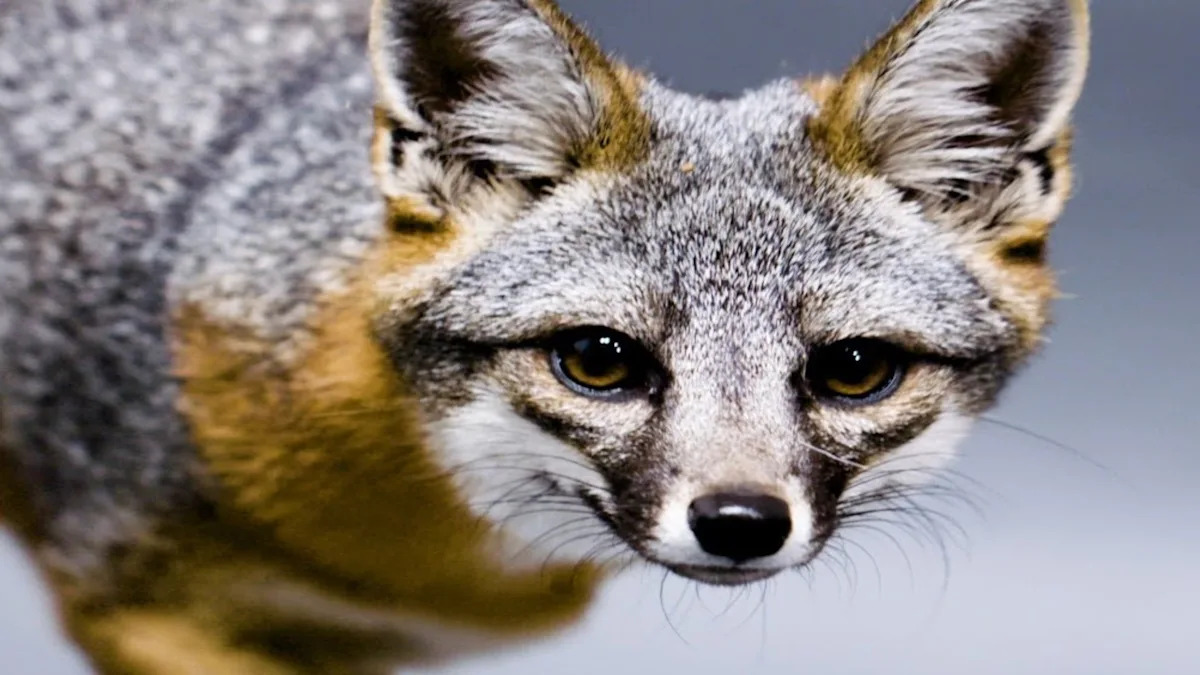
On the rugged Channel Islands off the coast of California lives one of the most unique mammals in the United States. The island fox is a small and resourceful creature, roughly the size of a housecat, yet it holds a surprising distinction as the largest native land mammal on these isolated islands. Weighing only a few pounds, this fox represents a remarkable example of evolution shaped by environment. Descended from mainland grey foxes, the island fox gradually became smaller over thousands of years due to limited food and space on the islands. This process, known as island dwarfism, allowed the species to survive in a habitat where resources are scarce. Despite its adaptability, the island fox faced a sudden and severe threat in recent decades. A shift in the ecosystem disrupted the natural balance that had allowed the species to thrive for generations. Bald eagles once coexisted peacefully with the foxes, posing no danger. However, the arrival of golden eagles introduced a new predator that began hunting the foxes aggressively. This unexpected change pushed the population to the brink of extinction and led to the species being officially listed as endangered. The decline was rapid and alarming, highlighting how fragile isolated ecosystems can be when disrupted.
Conservation efforts quickly became essential to prevent the complete loss of the species. Wildlife experts and environmental organisations worked together to restore balance within the Channel Islands ecosystem. One of the most critical steps involved relocating the golden eagles that had been preying on the foxes. This intervention helped reduce predation and gave the remaining fox population a chance to recover. At the same time, conservation programs focused on protecting habitats, monitoring populations, and supporting breeding efforts. These combined actions proved effective, and the island fox began to show signs of recovery. Over time, their numbers increased, demonstrating the success of targeted conservation strategies. The island fox has since become a powerful symbol of environmental resilience and the impact of human intervention when guided by scientific understanding. Its story underscores the importance of protecting delicate ecosystems and responding quickly to ecological threats. Today, the island fox population continues to grow, offering hope for other endangered species facing similar challenges. This recovery is not just about saving a single animal but about preserving biodiversity and maintaining ecological balance. The survival of the island fox reminds us that even the smallest creatures play a vital role in the natural world and deserve protection for future generations.