
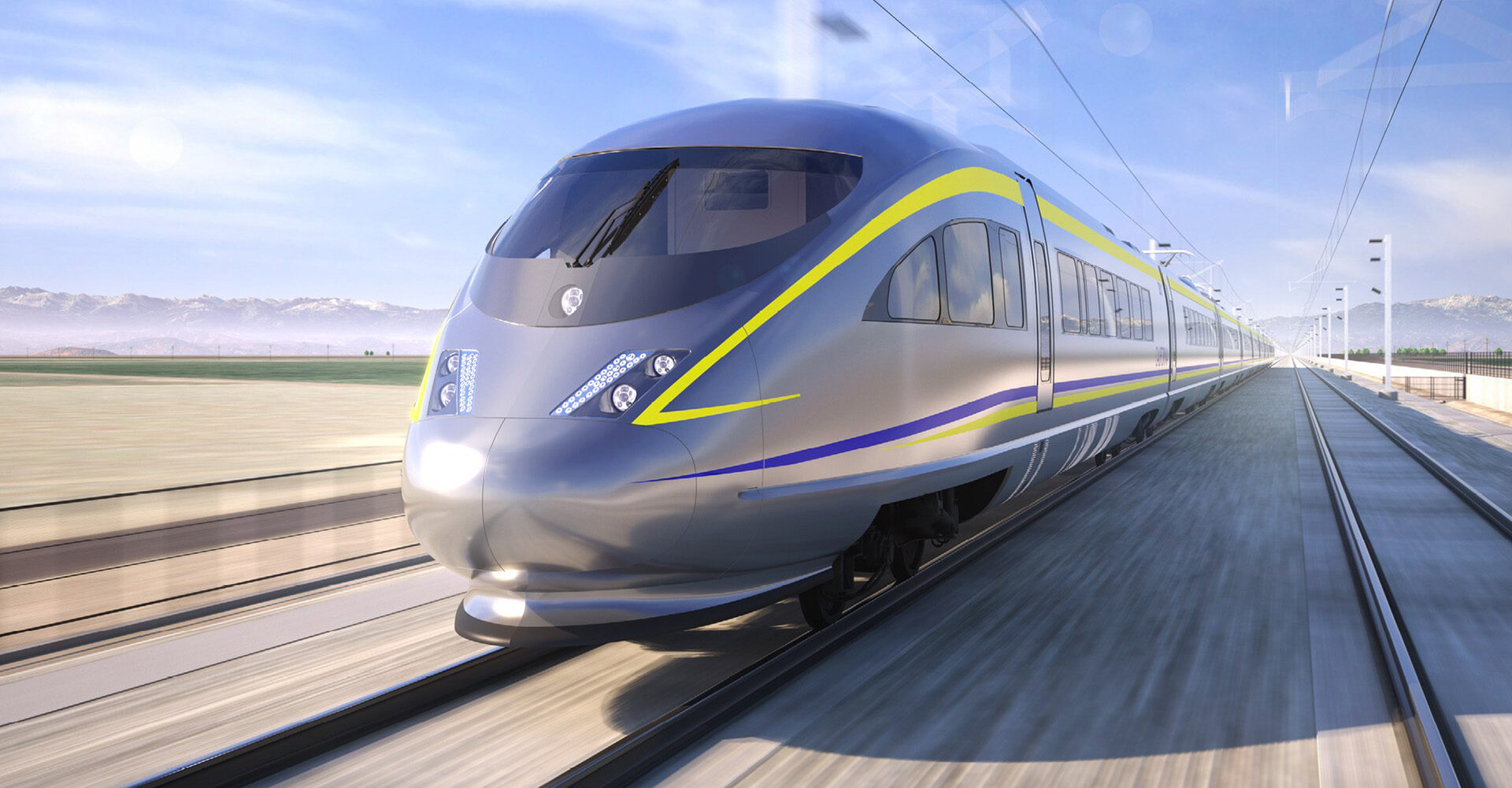
It could cost $126 billion to build high-speed rail from downtown San Francisco to Los Angeles, according to a draft business plan released by the state last month.
The figure, buried in a table in the plan’s technical supporting document, is nearly triple the original sticker price of $45 billion that was put to voters in 2008, when California passed a bond measure to fund the 800-mile rail network.
Since then, officials have blown deadlines, fought lawsuits, debated new funding strategies and drastically scaled back the project to focus on a segment in the Central Valley. All the while, construction costs ballooned. A recent CBS 60 Minutes report highlighted the new estimate, which immediately went viral.
Spokespeople for high-speed rail pointed out that the price of phase one has in fact dropped by $1.6 billion since 2024. But social media critics argued that the state would come out ahead by subsidizing flights between San Francisco and Los Angeles for the next several decades. The goal of high-speed rail is largely to reduce air travel, on the theory that reliable transit between two urban metros would lighten demand for airplanes and cars.
Current and former officials cite a number of factors that drove up costs, ranging from contract change orders, to inflation, to rising steel prices to unforeseen geographic complications. When planners were drawing lines on a map in the early 2000s, they did not necessarily predict all the tunnels and overcrossings they would have to build to pass schools or roll over wetlands.
Even more frustrating was the stop-start nature of funding, which caused delays and ultimately made the project more expensive. High-Speed Rail Authority CEO Ian Choudri addressed the problem last year by securing $1 billion a year from the state, which he will leverage to attract private equity.
Planners now estimate that the San Francisco-to-Anaheim segment will open for business around 2040. The authority has $39 billion on hand, enough to build 171 miles of railway from Merced to Bakersfield.
Choudri has urged patience, promising that high-speed rail will ultimately be a worthwhile investment.
“The San Francisco Bay Area and the Los Angeles Basin are among the most productive economies on the planet, and between them is one of the world’s most abundant agricultural regions,” he wrote in a letter opening the business plan. Given the jobs and population density at the two termini, and the productive farmland of the Central Valley, Choudri views California as “one of the most compelling high-speed rail opportunities” in the nation.
All it needs is a little faith. And tens of billions of dollars.