
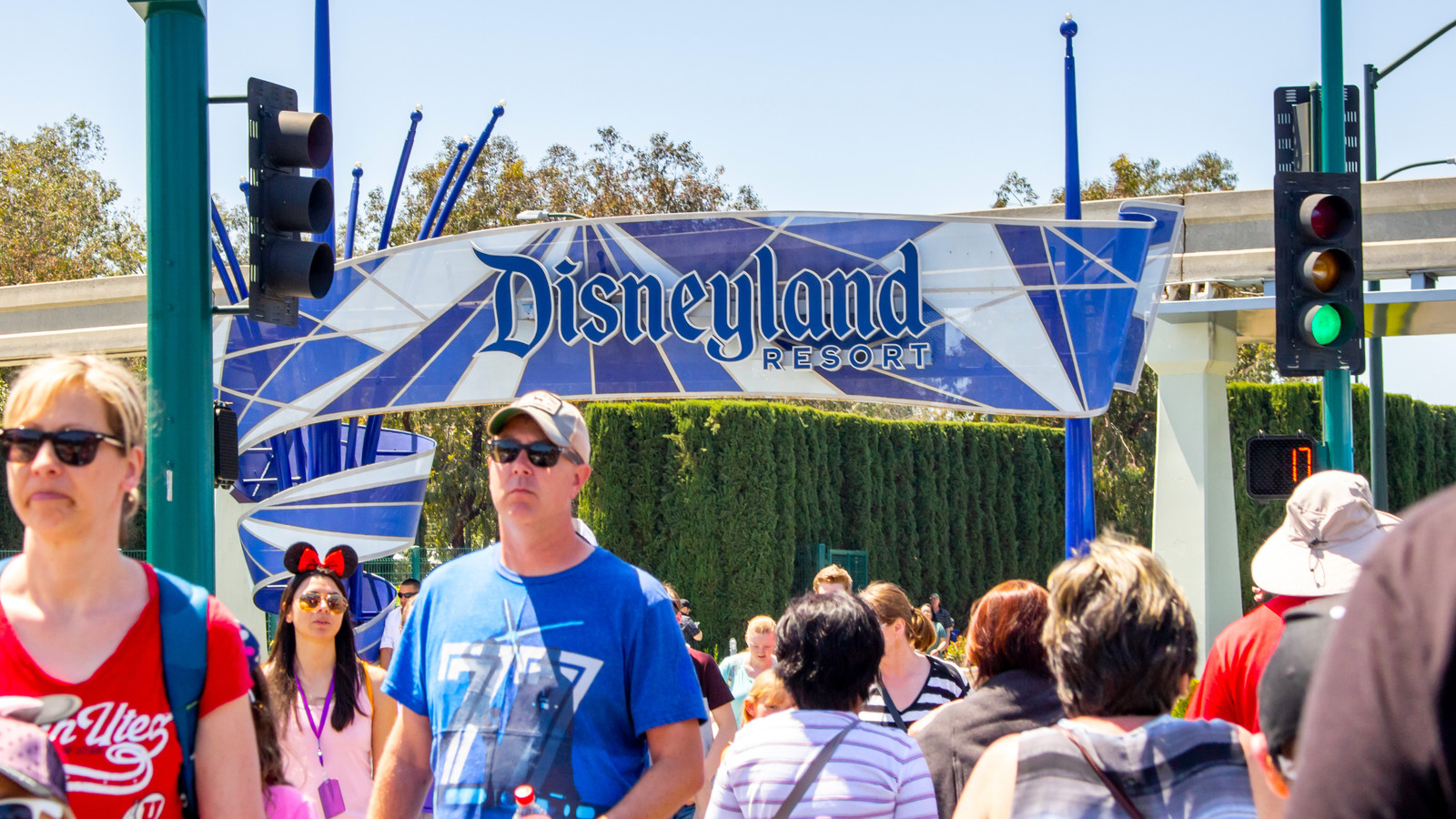
A new water bottle ban at Anaheim’s Disneyland is catching guests by surprise, with new restrictions on Stanley Cups limiting access to popular attractions. The ban comes as part of a broader list of restricted items, leaving park-goers guessing at the reasoning behind the policy update and what it might mean for their day at Disneyland.
Whether visiting Walt Disney World Resort or vacationing at Six Flags Qiddiya City, theme parks always remind visitors to stay hydrated, if not at their refreshment stands and restaurants, then by bringing their own refillable water bottles. However, what began as a simple plastic bottle or a collapsible cup evolved into the Stanley Cup, a stainless steel tumbler that has become as much a status symbol as it is a convenience, and now, a potential hazard at Disney theme parks.
Disneyland Cracks Down On Stanley Cups And Other Items In Its Theme Parks
Water bottles are essential to any theme park trip, but recently Disneyland has drawn the line on one of the most popular options on the market. Oversized stainless steel tumblers like Stanley Cups are no longer allowed on several attractions, as part of a larger crackdown on various items that have been known or could potentially obstruct ride operations.
While these items are not completely restricted from Disneyland or its sister park, Disney California Adventure Park, guests are discovering the change is impacting how they plan their day. On rides like Mickey & Minnie’s Runaway Railway and the Incredicoaster, visitors are now required to stow large tumblers before boarding, either by keeping them with a non-rider, placing them in designated bins, or renting a locker. Meanwhile, cast members have reportedly begun paying closer attention during boarding, specifically looking for larger bottles that can’t be safely secured after the ride begins.
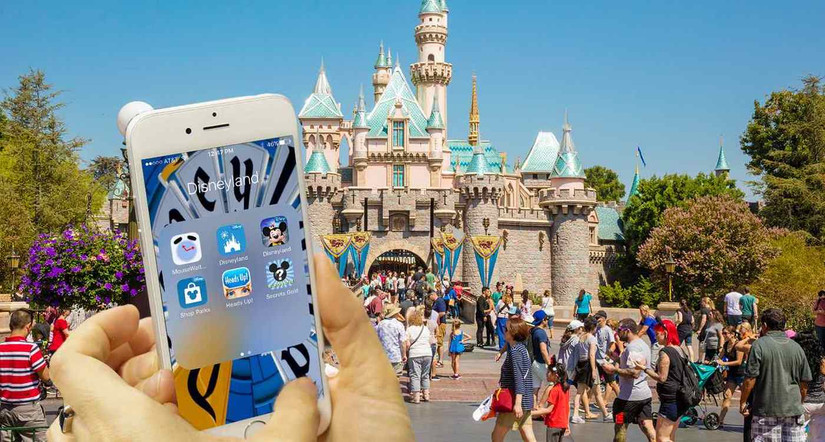
Additionally, Stanley Cups aren’t the only items affected by Disneyland bans. Restrictions also include selfie sticks and other loose handheld items. Even smartphones, while still allowed in the park, are being regulated more heavily on certain attractions. For example, media outlets like the New York Post report that on Runaway Railway, operators have been instructed to stop the ride vehicle if a guest is seen holding a phone.
To help guests adapt to the changes made, some attractions offer temporary storage at the loading platform, while staff remind riders that lockers remain available throughout the park for a fee. At the same time, Disneyland continues to provide free water at quick-service locations and additional refill stations, encouraging visitors to stay hydrated without having to lug around larger containers.
Disneyland Updated Restrictions Reflect Potential Ride Hazards
Credit: Via Joshua Sudock /Disneyland Resort
While the limited ban on Stanley Cups has surprised guests, there’s a reason behind Disney’s decision. At its core, the policy is about keeping rides running safely and efficiently. That means asking park-goers to temporarily part with certain personal items, whether that’s oversized tumblers, selfie sticks, or even cell phones on select attractions, all in an effort to reduce the number of complications and dangerous incidents that can arise while carrying them.
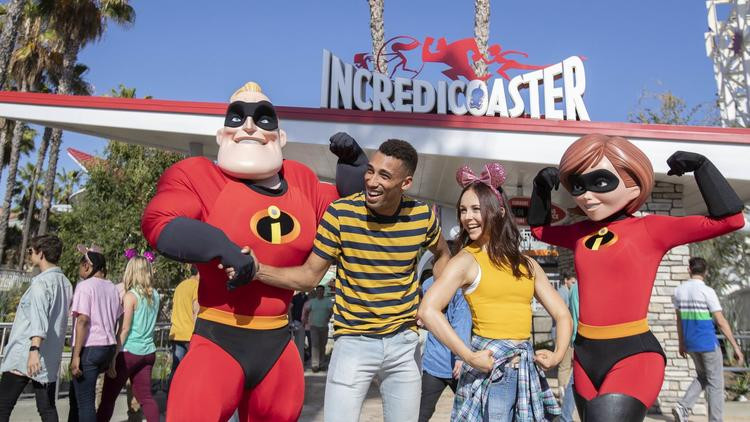
On faster attractions like the Incredicoaster, the risks are more apparent. A loose object like a phone, or a fully filled metal tumbler, can quickly turn into a hazard. The danger isn’t just about an item getting destroyed or lost, but what happens when it rockets from a guest’s grip toward other riders or bystanders.
At the same time, on trackless ride systems, there are different concerns surrounding the technology utilized. Popular attractions like Star Wars: Rise of the Resistance rely on advanced systems to navigate, using sensors and precise movement to keep vehicles in sync. When something falls outside a trackless car, the computers can detect it as an obstacle, triggering an automatic stop and, in some cases, a long reset and evacuation process for guests and cast members alike.
Additionally, some theme park experts and travel analysts have pointed to theft as a notable concern. As a popular travel accessory, certain Stanley-style tumblers can sell for close to $300 for higher-end or limited-edition models. Leaving them unattended or misplaced also creates more security concerns for both guests and park operations.
Dropped items have always been an issue, but recent data suggests the broader problem is getting worse. According to comments shared with Mickey Visit by Disneyland’s Director of Attractions Engineering Services, Natalie Katzka, guest behavior accounted for 13% of ride shutdowns in fiscal year 2025, up from a 10% average. This includes loose articles falling from vehicles—such as phones, mouse ears, and water bottles—as well as guests failing to follow safety precautions. These kinds of incidents can lead to anything from a momentary stop to a full shutdown and evacuation, adding to longer wait times and more frequent disruptions throughout the day. In a park where timing is everything and guests tend to keep a tight schedule, even a short delay can ripple outward, affecting everything from ride capacity to guest flow across entire parks.
Today, many theme parks showcase graveyards of cracked phones and dented items, often reminding visitors that “the ride always wins.” However, many guests still have much to say about the choices made by both the parks and the people enjoying them.
Park-Goers Weigh In On Disneyland’s New Item Policies
Disneyland Park, Anaheim, CA, USACredit: Dreamstime
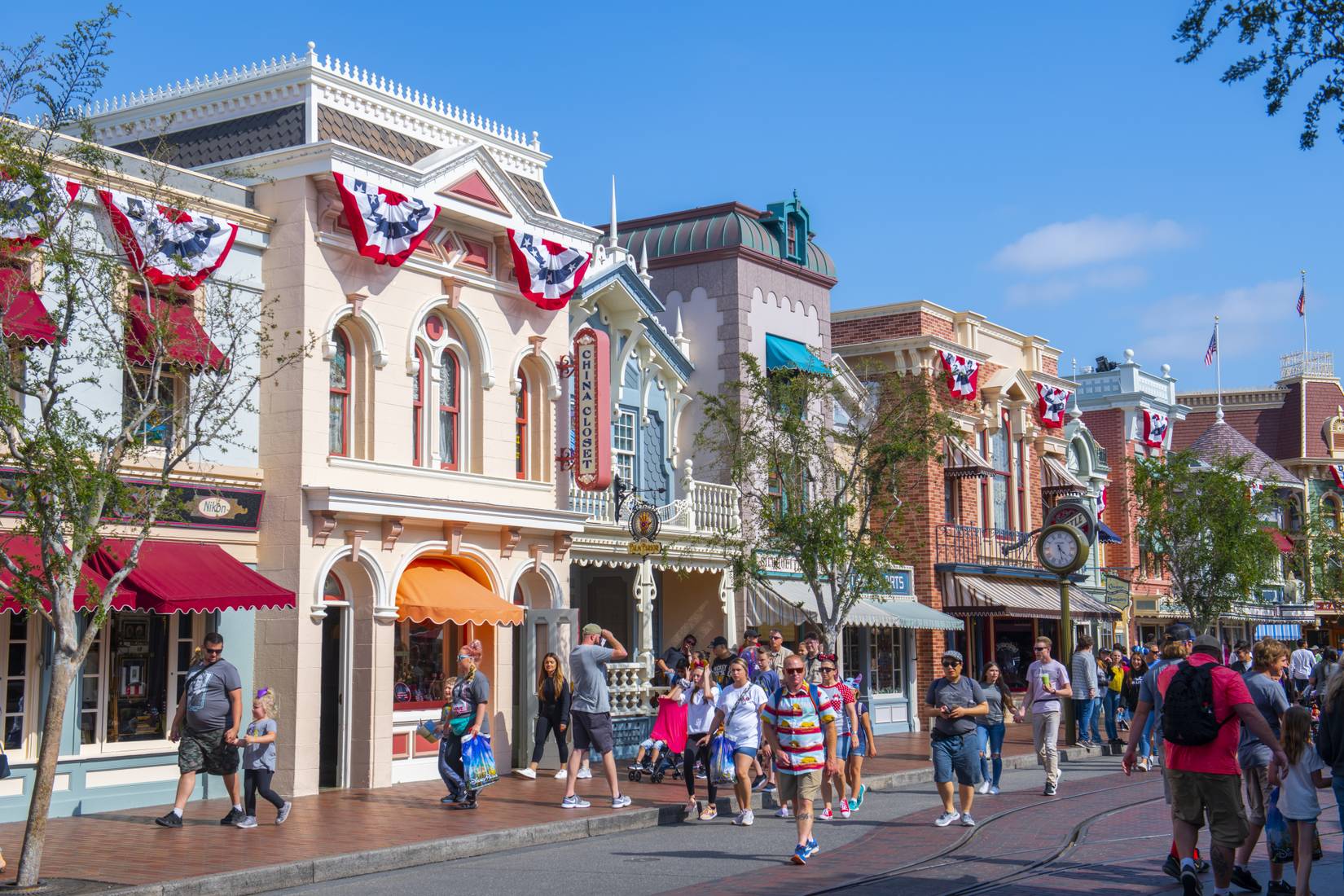
Everything from chaperone policies to dress codes has stirred up discussion among visitors, and the Stanley Cup ban is among the most recent topics to join them. Disneyland’s approach to restricting certain items has drawn mixed responses from guests, reflecting different expectations, experiences, and opinions about changing etiquette and trends in the parks.
Some visitors have dismissed it as an inconvenience, something that comes with the need to keep popular theme parks operating smoothly. Others, however, are less supportive of Disney’s choices. Online reactions have expressed frustration over what feels like a growing list of restrictions, with some even arguing that the parks are becoming more strict, or more expensive, leaving them to wonder how much more complicated or expensive a park visit will become. Meanwhile, others are indifferent, cracking jokes about how attached people have become to items like Stanley Cups when they can be swapped out for collapsible and less expensive alternatives, making a Big Thunder Mountain out of a molehill.
“The only Stanley Cup that matters is the trophy of the National Hockey League,” jokes one person in the comments section of a YouTube video in response to Disneyland’s policies.
Still, for all the responses, most of the conversation reflects the same reality that Disney is operating in a space where even the seemingly smallest and most mundane items can quickly become major problems. And whether guests ultimately agree with the rules or not, they’re the ones who have to work around them once they step into the park.