
California Single-Staircase Reform Could Cut Costs, Boost Multifamily Housing Development
A proposed building code reform in California could reshape multifamily housing design by allowing single-staircase buildings up to six stories, a move advocates say would reduce construction costs and unlock new housing supply.
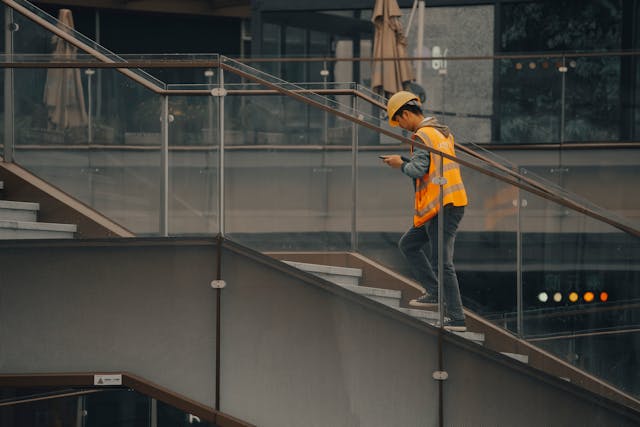
.jpg) Courtesy: Photo by Chen Jack on Pexels
Courtesy: Photo by Chen Jack on Pexels
The bill, introduced by Assemblymember Alex Lee, is set to head to committee this month. It would direct the state’s Department of Housing and Community Development to develop updated standards permitting single-staircase designs in mid-rise multifamily buildings. Currently, California requires two staircases for buildings taller than three stories.
Supporters argue the change could streamline construction and make projects more financially viable, particularly in dense urban areas where space constraints and high costs limit development.
Effort Aims to Lower Costs and Expand Housing Supply
Lee and other advocates say eliminating the second staircase requirement could significantly reduce building costs and improve design flexibility.
“Stairway requirements can have a profound effect on what does and does not get built in our neighborhoods,” Lee said in a news release. “Many countries worldwide have already legalized mid-rise apartments with one staircase that maintain robust, modern fire prevention measures.”
Research from The Pew Charitable Trusts found that single-staircase reforms could cut construction costs by up to 13%. The approach has already been adopted in cities like New York City and Seattle, which allow single-staircase buildings under certain conditions.
In California, Culver City became the first municipality to approve such a reform last year, reflecting growing momentum nationwide. According to Pew, seven states enacted similar changes in 2025 as policymakers search for ways to address housing shortages.
Fire Safety Concerns Shape Ongoing Debate
Despite growing support, safety concerns remain central to the debate. A March 2 report by the California Office of the State Fire Marshal emphasized the importance of maintaining two staircases for emergency access.
The report recommended a more limited approach, suggesting single-staircase buildings be allowed up to four stories — one story higher than current regulations — rather than the six stories proposed in the bill.
While acknowledging advancements in fire safety technology, including sprinkler systems, smoke detection and passive smoke control, the report cautioned against relying solely on these measures.
Such systems “do not fully substitute for the redundancy of two independent stairways,” according to the report. “The presence of an additional exit is important for maintaining safety in the face of unforeseen failures, fire spread, or structural compromise.”
Even so, another Pew study found that single-staircase apartment buildings have maintained strong safety records in regions where they are already permitted.
As housing affordability continues to challenge cities across the U.S., policymakers are increasingly weighing the trade-offs between cost savings and safety. The outcome of California’s proposal could influence similar reforms nationwide, particularly in high-cost urban markets.
Originally reported by Ryan Kushner, Editor in Smart Cities Dive.