
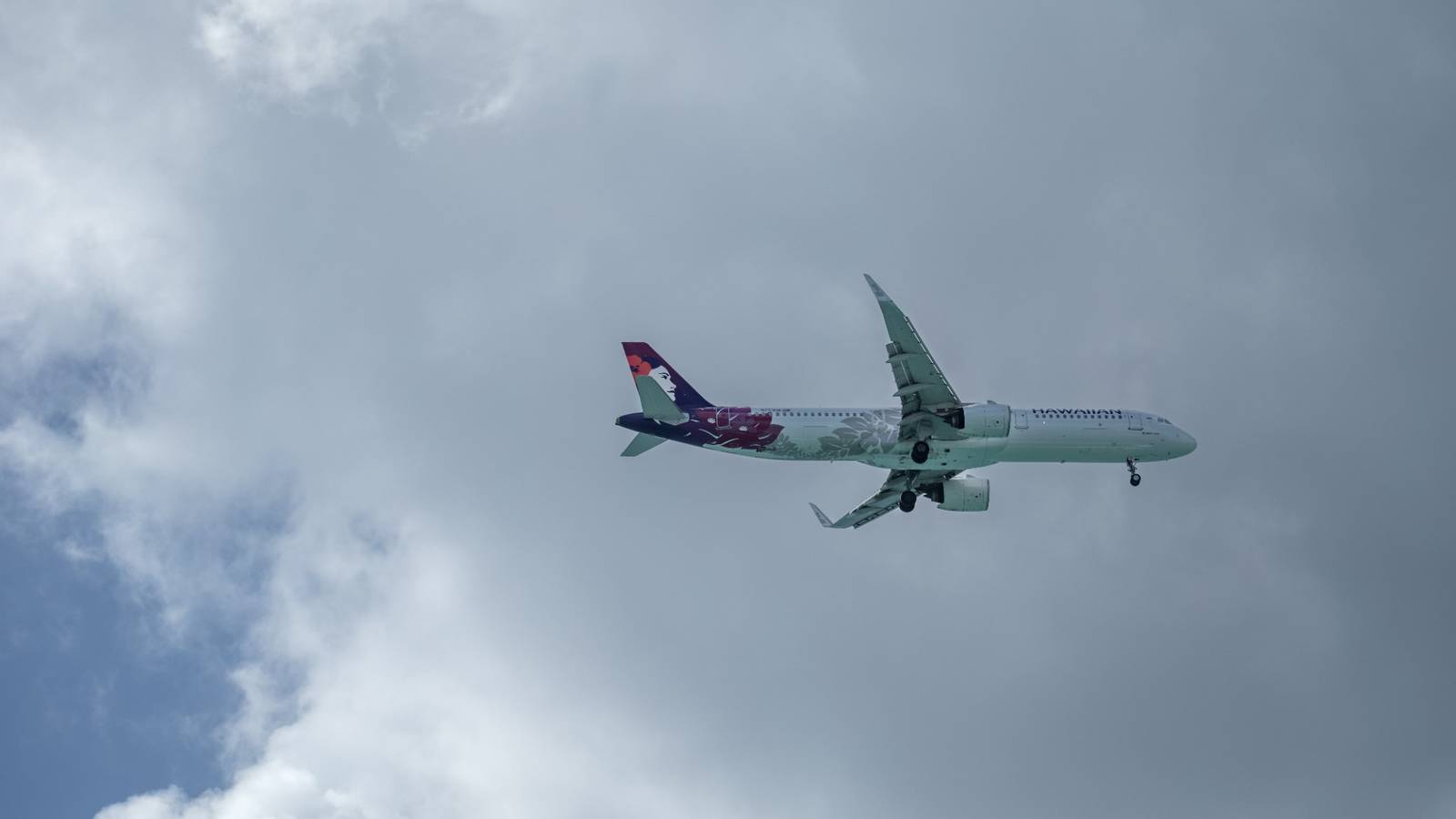
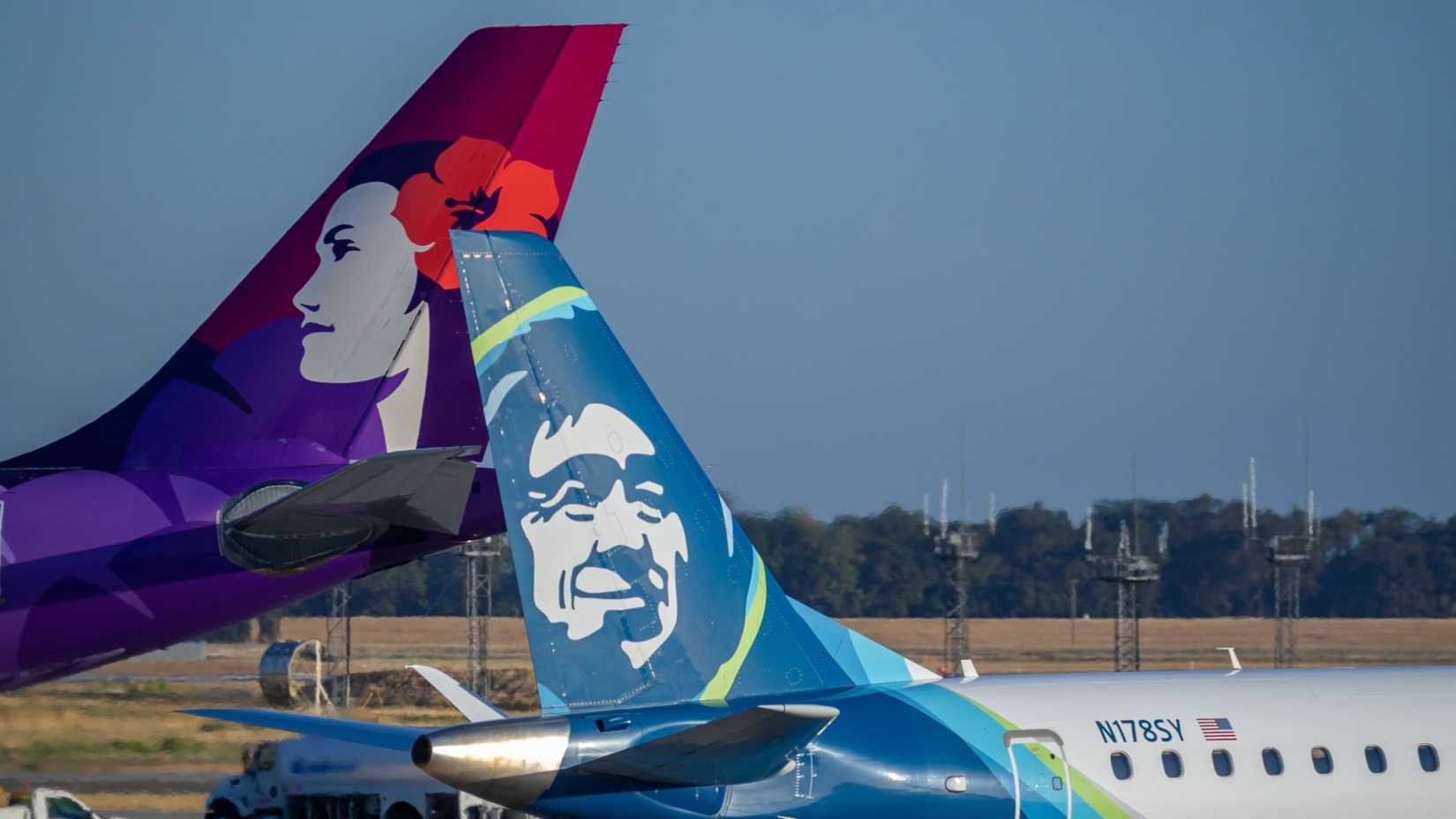
Hawaiian Airlines is set to phase out its Airbus A321neo service on the Honolulu–Oakland route, with operations transitioning to larger widebody aircraft operated by  Alaska Airlines as part of their ongoing integration. The change, unfolding through mid-2026, will see A330-200 aircraft take over the route full-time by the peak summer season.
Rather than a single cutover later in the year, data from aviation analytics firm Cirium show a gradual transition beginning in June 2026 and fully implemented by July, signaling a long-term shift in capacity strategy for this key Hawaii–California corridor. The update reflects network adjustments following Alaska’s assumption of operational control over Hawaiian’s route planning. Initially appearing as a seasonal upgauge, the sustained deployment of the A330-200 indicates a more permanent realignment of aircraft utilization on the Honolulu–Oakland market.
Widebody Upgrade Confirmed As A330-200 Takes Over
Credit: Shutterstock
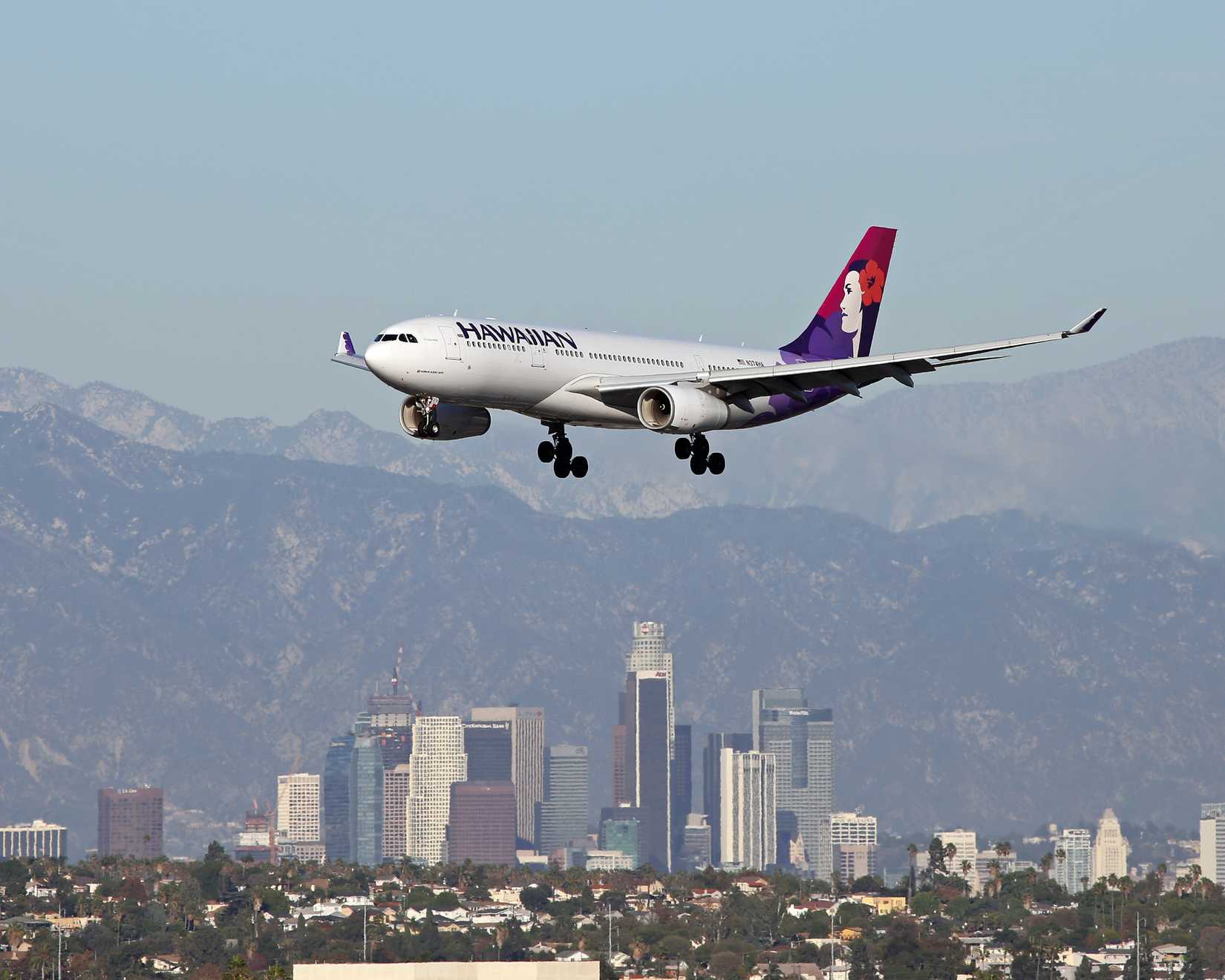
The Daniel K. Inouye International Airport (HNL) to Oakland International Airport (OAK) route will transition from narrowbody to widebody operations in stages during 2026. According to published schedules, Hawaiian operates A321neo aircraft on the route through April 2026. From May onward, however, the route is undergoing a significant operational shift.
In June, Alaska will introduce the A330-200 on select routes while continuing to operate A321neo flights, creating a mixed fleet. By July, the transition will be complete, with all flights between Honolulu and Oakland scheduled to operate on the A330-200.
Flight schedules remain broadly consistent throughout the transition, maintaining daily service in both directions. While exact timings may vary slightly, the route continues to support strong connectivity between Hawaii and the San Francisco Bay Area. This shift represents a notable increase in passenger capacity and onboard product consistency. The A321neo had been a mainstay on thinner West Coast routes for Hawaiian, enabling more efficient operations and lower per-trip costs. However, the move to the larger A330-200 suggests sustained or growing demand that justifies higher seat counts and enhanced cargo capability.
From a fleet perspective, the transition aligns closely with the broader integration strategy between Hawaiian and Alaska, which is consolidating operations and optimizing aircraft deployment across overlapping networks.
A Significant Capacity Boost Between Hawaii & The Bay Area
Credit: Shutterstock
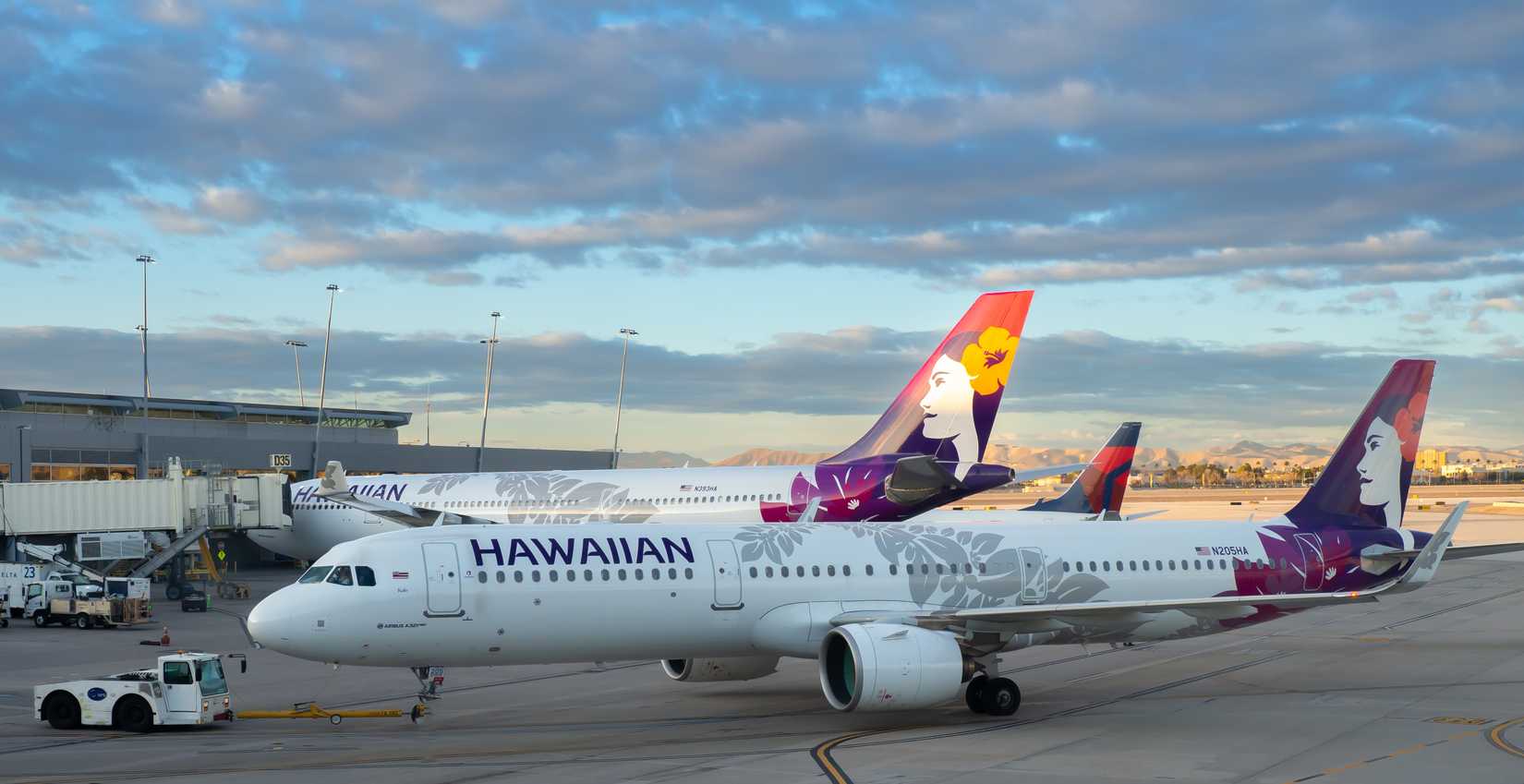
The capacity difference between the two aircraft types is substantial. The A321neo in Hawaiian configuration typically seats around 180–190 passengers in a two-class layout. In contrast, the A330-200 accommodates approximately 260-280 passengers, depending on configuration, according to AeroLOPA.
This represents an increase of roughly 45–50% in seating capacity per flight. Across a daily schedule, that translates into thousands of additional seats per month on the Honolulu-Oakland route. Schedule data supports this, with total monthly seat counts rising significantly during the summer months once widebody aircraft are fully deployed.
Such an increase points to strong demand, particularly during peak summer travel periods, when Hawaii-bound leisure traffic remains robust. The Honolulu-Oakland route has long been one of the more important links between the Hawaiian Islands and Northern California, benefiting from both tourism and visiting friends and relatives (VFR) traffic.
The transition also enhances the onboard experience. On a transpacific flight of roughly five hours, the A330-200 offers a wider cabin, more premium seating options, and improved passenger comfort compared to the narrowbody A321neo. This consistency in product becomes especially important as airlines compete for higher-yield leisure travelers.
Another important factor is cargo capability. The A330-200 provides significantly greater belly cargo capacity than the A321neo, allowing airlines to transport more freight alongside passengers. This is particularly valuable on Hawaii routes, where air cargo plays a critical role in supporting local supply chains.
Related
Hawaiian Airlines Airbus A330s Will Get Premium Economy & More First Class Seats
Retrofits on all 24 aircraft are slated for completion within the next few years.
What This Means For Hawaiian’s Network Strategy
Credit: Shutterstock
The decision also reflects broader industry trends in Hawaii’s aviation. Over the past decade, Hawaiian has strategically deployed the A321neo to open thinner routes to secondary West Coast cities such as Oakland. These aircraft enabled point-to-point service at lower operating costs than widebodies, making them ideal for developing markets.
However, as demand has rebounded strongly and airline consolidation reshapes competitive dynamics, there is a renewed emphasis on capacity concentration. Deploying larger aircraft allows airlines to maximize efficiency on high-demand routes, particularly where slot constraints and airport demand favor fewer, larger flights.
The shift also underscores Alaska Air Group’s growing role in coordinating fleet and network decisions across the combined airline portfolio. By standardizing widebody operations on trunk Hawaii routes, the group can streamline operations, improve scheduling flexibility, and deliver a more consistent passenger experience.
Removing the A321neo from the Honolulu-Oakland route may allow redeployment of those aircraft to other routes in the network. They remain well-suited to thinner mainland routes or to increasing frequency in markets where widebody demand is insufficient.