
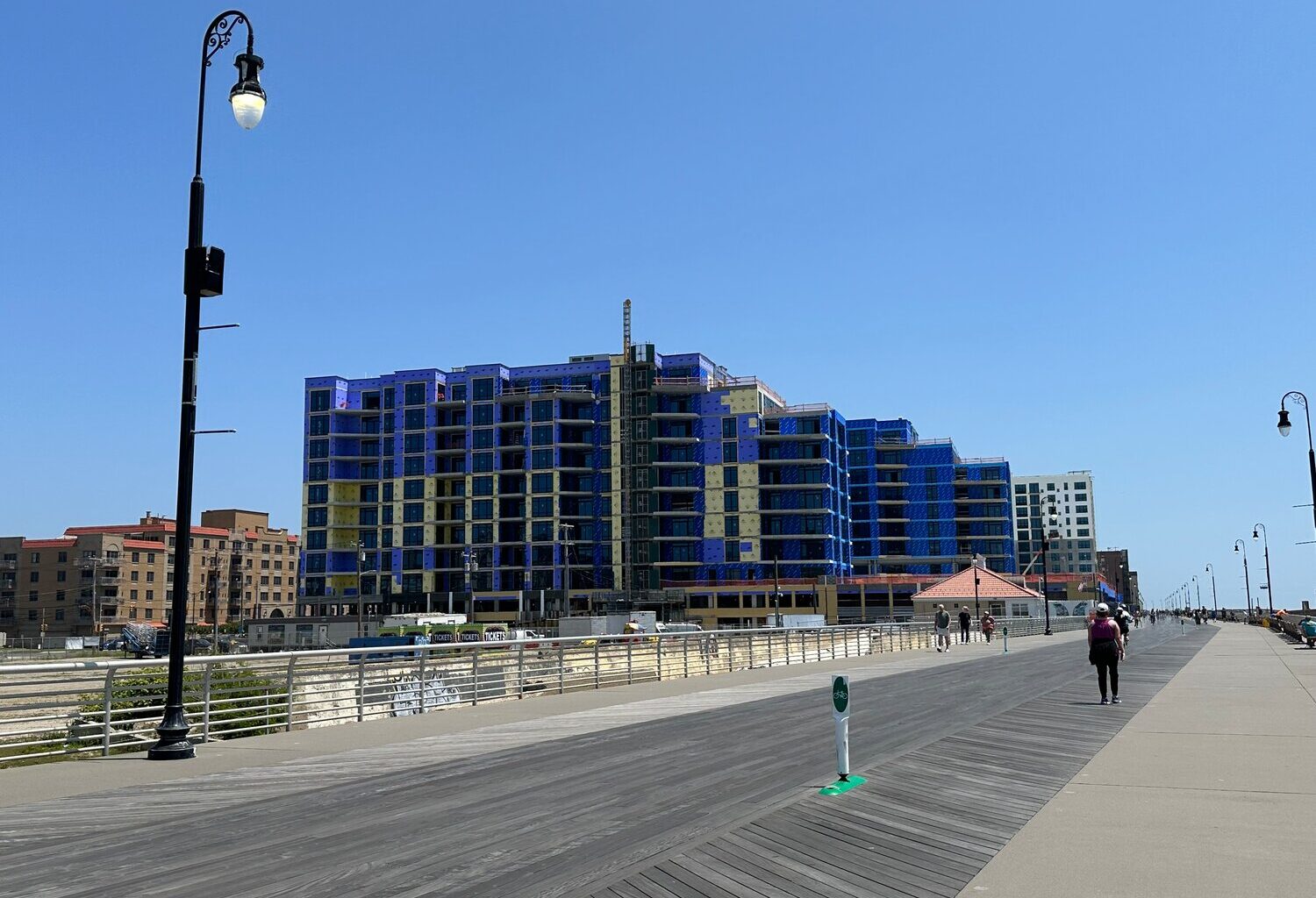
Long Beach has undergone a shift in the past decade from a seasonal beach destination to a year-round community, changing how residents live, work and buy homes along the South Shore.
Once defined by summer crowds and quieter winters, the barrier island city now sees steady activity throughout the year. New development, increased accessibility and population changes have contributed to that transformation, particularly in the years following Superstorm Sandy.
Carolyn Argento, a sales manager who oversees real estate offices in Long Beach and Merrick, said the difference is noticeable across the city. “Even in the winter it’s busy and alive, whereas years ago that wasn’t always the case,” she said.
From summer destination to full-time living
Long Beach was historically known for its oceanfront, seasonal housing, including smaller bungalows that catered to summer residents. Argento said that pattern has shifted as more people choose to live in Long Beach year-round.
The change is reflected in daily life. Restaurants and businesses remain open beyond the summer season, and community events, including beach activities, parades, and farmers markets, continue to draw residents throughout the year, reinforcing Long Beach’s identity as more than a vacation destination.
Long Beach’s location plays a key role in its appeal. The Long Island Rail Road offers a direct commute to Manhattan, while John F. Kennedy International Airport is about 25 minutes away. Combined with the oceanfront living and local amenities, Long Beach continues to attract new residents. Argento said accessibility to major roadways and nearby communities also contributes to its appeal for both commuters and families.
Redevelopment after Sandy reshaped the city
Superstorm Sandy marked a turning point for Long Beach. Argento said the city “was heavily impacted by Sandy” and has since “revitalized itself,” with updated housing and infrastructure contributing to its growth.
Newer buildings, including developments along the boardwalk, have added housing options and changed the look of the city. Some properties that were once modest seasonal homes have been replaced or expanded, with higher values reflecting increased demand.
“It has just grown and developed in the last 10 to 12 years more than most people would have ever thought after Sandy,” she said.
A competitive housing market reflects growth
As Long Beach has evolved into a year-round community, its housing market has become more competitive. Limited inventory and strong demand have made the market competitive.
“If something is priced correctly, in any market, it’s basically in contract within a week or two max,” Argento said. Buyers must be prepared to act quickly, while sellers face pressure to price homes accurately from the start.
Argento said that in some cases, open houses can draw large numbers of potential buyers, which can lead to multiple offers and quick decisions. That pace reflects broader conditions across the region, where inventory remains tight.
Long Beach’s growth has reshaped not only its housing market, but its identity as a community. The city’s layout — with the ocean on one side and the bay on the other — remains a defining feature, but how people use and experience that space has changed.
For Argento, who has watched the transformation from nearby communities, the shift is ongoing. “It’s amazing to see the growth,” she said. The city has homes, co-ops and condo developments. “We also service many rentals each year.”
Despite market fluctuations, she said one constant remains: people continue to move, whether for space, lifestyle or changing needs. “There’s always a need to move,” she said.