
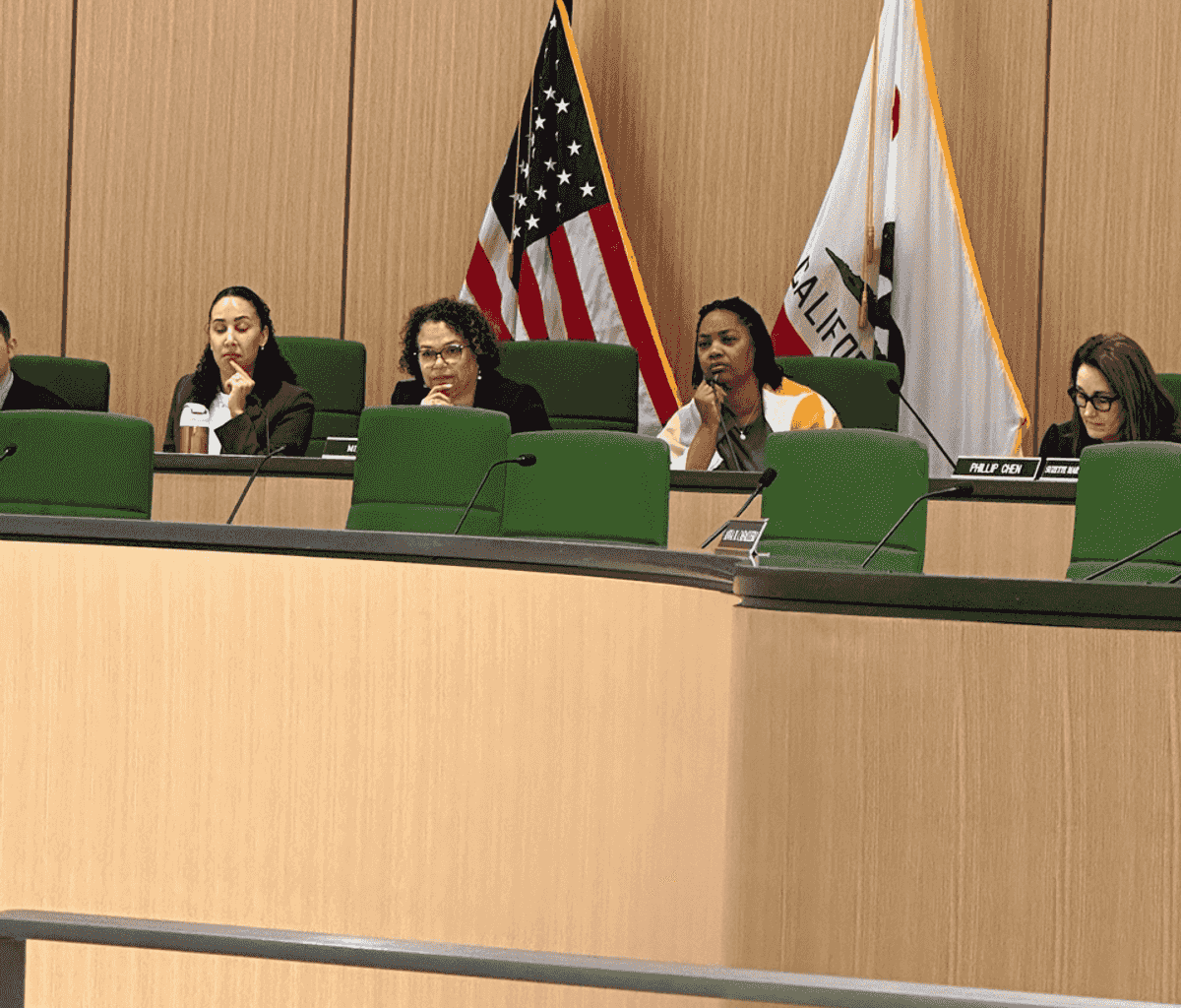
Bonta said her leadership is shaped by personal experience navigating inequities in healthcare.
“I’ve had to endure instances as a Black woman with healthcare providers questioning my need for different drugs, for questioning whether or not I had the right diagnosis,” she said.
“At the baseline of it all, I believe that healthcare is a human right… and our healthcare system… has a lot of inequities,” she added.
Weber Pierson, drawing on her experience as a physician, said her focus is on translating policy into better patient outcomes.
“We’ve put a lot of good laws in place. The next step is making sure those laws are actually improving outcomes for patients.”
Both lawmakers pointed to legislation they are advancing to address disparities in access and care.
Bonta highlighted measures like Assembly Bill (AB) 2368, which would codify CalAIM programs — a Medi-Cal initiative that connects patients to services like housing, food and other social supports — shown to improve outcomes in Black communities. She also pointed to AB 3161, a bill that would require hospitals to collect and report patient safety data by race, income and other demographic factors.
Weber Pierson pointed to proposals including Senate Bill (SB) 987, which would create a state fund to help offset federal Medicaid cuts, and SB 503, which addresses bias in artificial intelligence used in healthcare.
At a recent Assembly Health Committee hearing, Bonta advanced her bill AB 2651, the Informed Parents Healthy Schools Act, which requires schools to notify parents when vaccination rates fall below herd immunity thresholds.
Each year, the Legislature regularly passes health-related laws, many of which amend or add sections to the California Health and Safety Code.
Bonta said a key step is ensuring that those laws are backed by clear data and oversight.
“You can’t fix what you can’t measure,” Bonta said.
She said enforcement tools now include reporting requirements, corrective action plans and potential involvement from the Department of Justice.
Weber Pierson said the focus now is on how that data is used.
“We have to be intentional about collecting the right data and using it to drive change,” she said.