
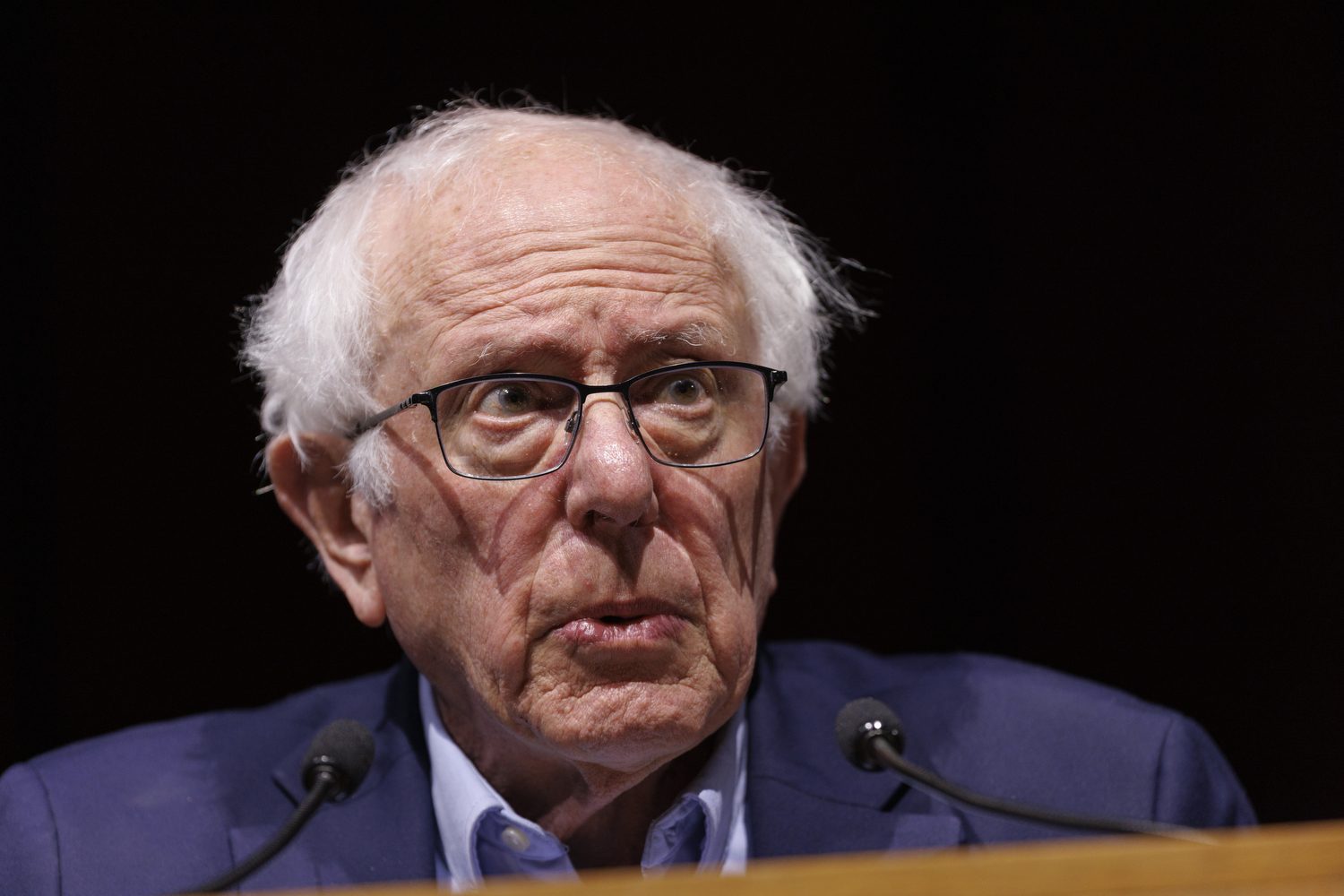
A proposal to raise taxes on San Francisco’s biggest businesses has earned an endorsement from U.S. Sen. Bernie Sanders of Vermont, a democratic socialist and elder statesman of progressive politics.
The Overpaid CEO Act, or Proposition D on the June ballot, is backed by labor unions that say it would help address budget shortfalls exacerbated by Trump administration cuts to social services.
“Never before in American history have we seen the level of wealth and income inequality that we see today,” Sanders said in a Thursday statement announcing his support for the measure.
If it passes, Proposition D would raise city taxes on companies with more than 1,000 employees whose CEOs draw salaries that are more than 100 times larger than their companies’ median salaries.
“San Francisco’s Overpaid CEO Act will make these corporations pay their fair share,” Sanders said.
Organizers say it would generate more than $200 million a year to support health care services.
But a coalition of business interests have coalesced against the proposal which they say could jeopardize San Francisco’s economic recovery and drive companies out of the city. The groups, including the city’s Chamber of Commerce, put forward a competing ballot measure, Proposition C, which would make minor changes to the same tax that Prop D supporters are trying to increase.
David Harrison, a spokesperson for the Chamber, warned in a statement Thursday that the Overpaid CEO Act could “kneecap our city’s largest employers.”
“Proposition D does not … solve the long-term structural imbalance of San Francisco’s budget,” he said.
San Francisco currently faces a budget deficit that could reach $1 billion in coming years, which city leaders say has been made even more dire by federal funding cuts to Medicaid and food stamps.
“Senator Sanders understands what’s at stake,” said Scott Mann, spokesperson for Prop D. “Washington handed billion-dollar corporations a massive tax break while gutting the services San Francisco families depend on.”
The initiative has been endorsed by several local politicians including Speaker Emerita Nancy Pelosi and a majority of the Board of Supervisors.
Should voters approve both measures on June 2, only the one with the most votes would take effect.