
San Diego planners Thursday unanimously approved a nearly 1,000-unit housing development near the U.S.-Mexico border.
The 985-unit Collection at Cactus will be in the heart of Otay Mesa, mainly home to warehouses and customs brokers involved in international trade, but increasingly becoming a spot for less expensive housing.
The Collection development will be less than a mile from the international border, and near the Cross Border Xpress pedestrian bridge, which travelers use to get to the Tijuana International Airport.
At nearly 40 acres, Collection at Cactus will be one of the biggest residential projects in San Diego County. Plans call for 313 for-sale townhouses and 672 rentals.
“It does a lot of stuff that this planning commission, and the city of San Diego has been pushing for housing,” said San Diego Planning Commissioner Matthew Boomhower at Thursday’s meeting. “I like how you are taking advantage of density bonuses, while still making it work pretty thoughtfully with (community plans).”
Jason Shepard, a vice president at developer JPI, said it will likely be at least a year before construction starts because of time needed to finalize maps and get additional permits for various aspects of the project.
“It’s a great location,” he said in a phone interview with The San Diego Union-Tribune. “We will be able to provide market-rate affordable housing, true-subsidized affordable housing. We can provide a housing type that’s missing throughout San Diego. It’s a great opportunity.”
Collection at Cactus is named after Cactus Road, which runs alongside the project site, and will be built on land south of the Brown Field Municipal Airport and State Route 905 that has been vacant for years. Shepard said the timeline for construction can always change but said a five- to 10-year buildout was possible.
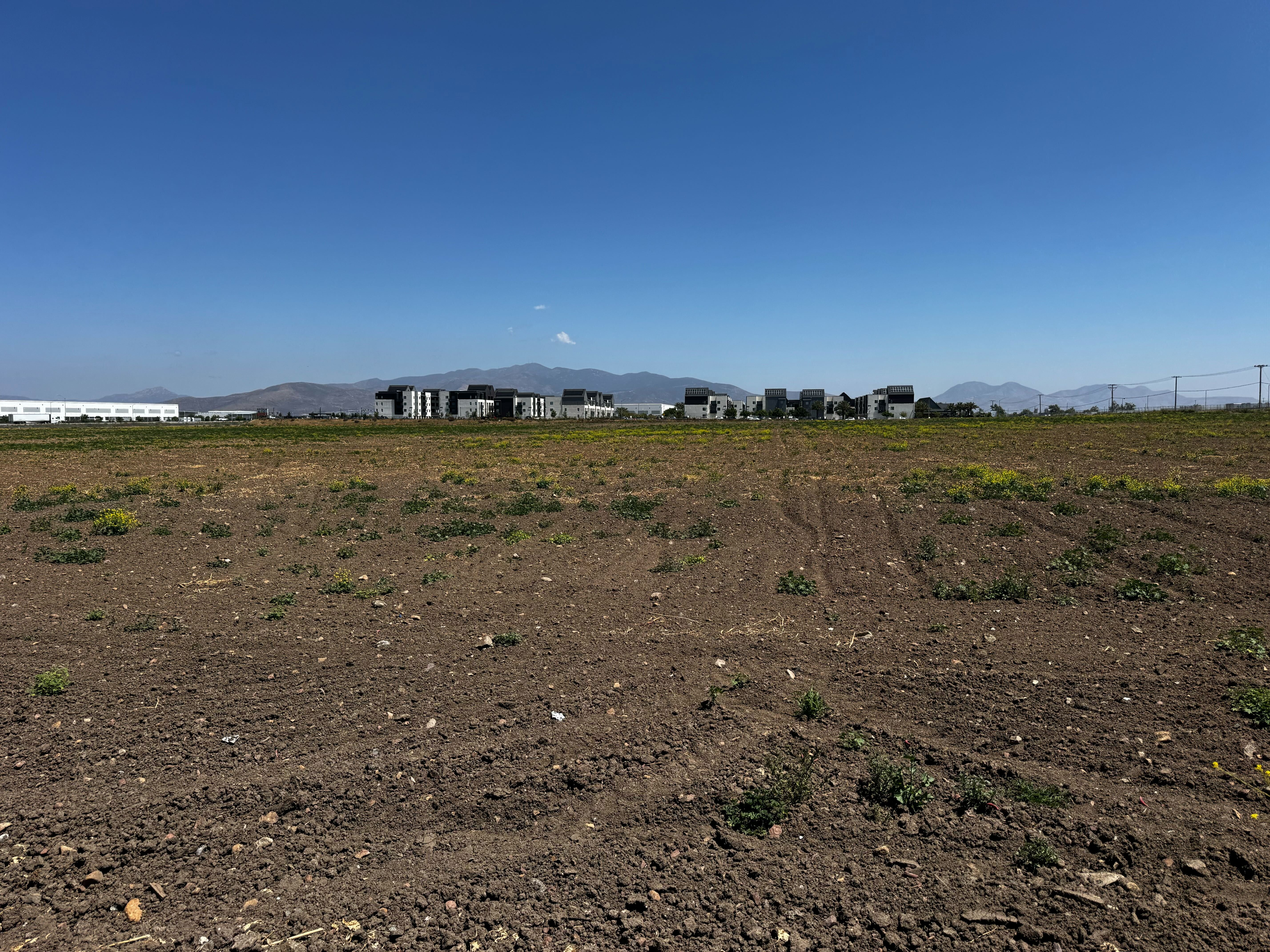
Vacant land near the intersection of Airport and Cactus roads in Otay Mesa where the nearly 1,000-unit Collection at Cactus is planned. (Phillip Molnar/The San Diego Union-Tribune)
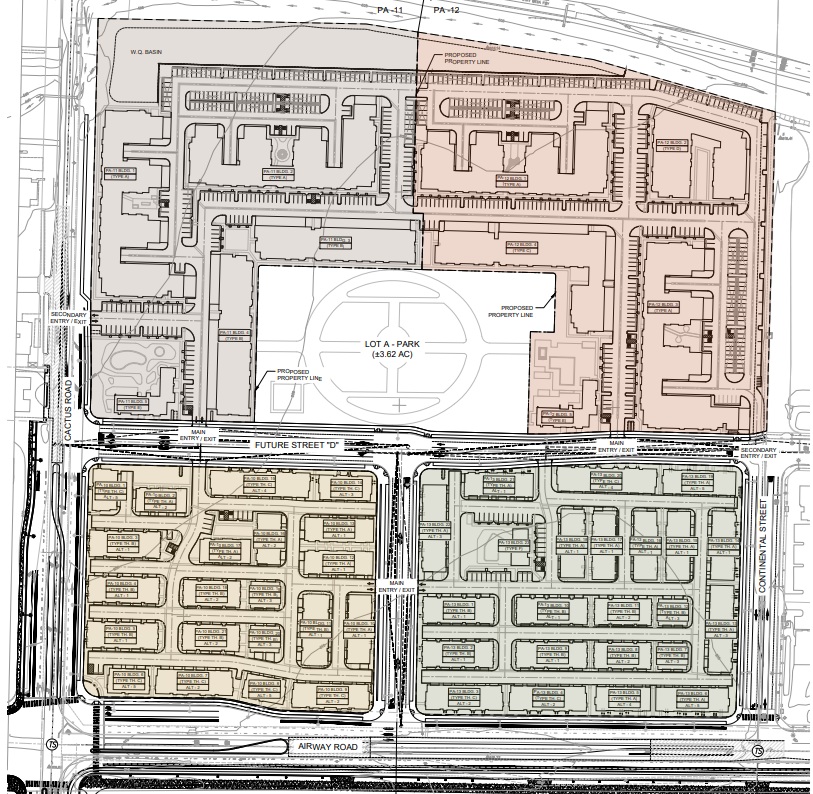
A blueprint of the planned 985-unit Collection at Cactus in the Otay Mesa area. (City of San Diego)
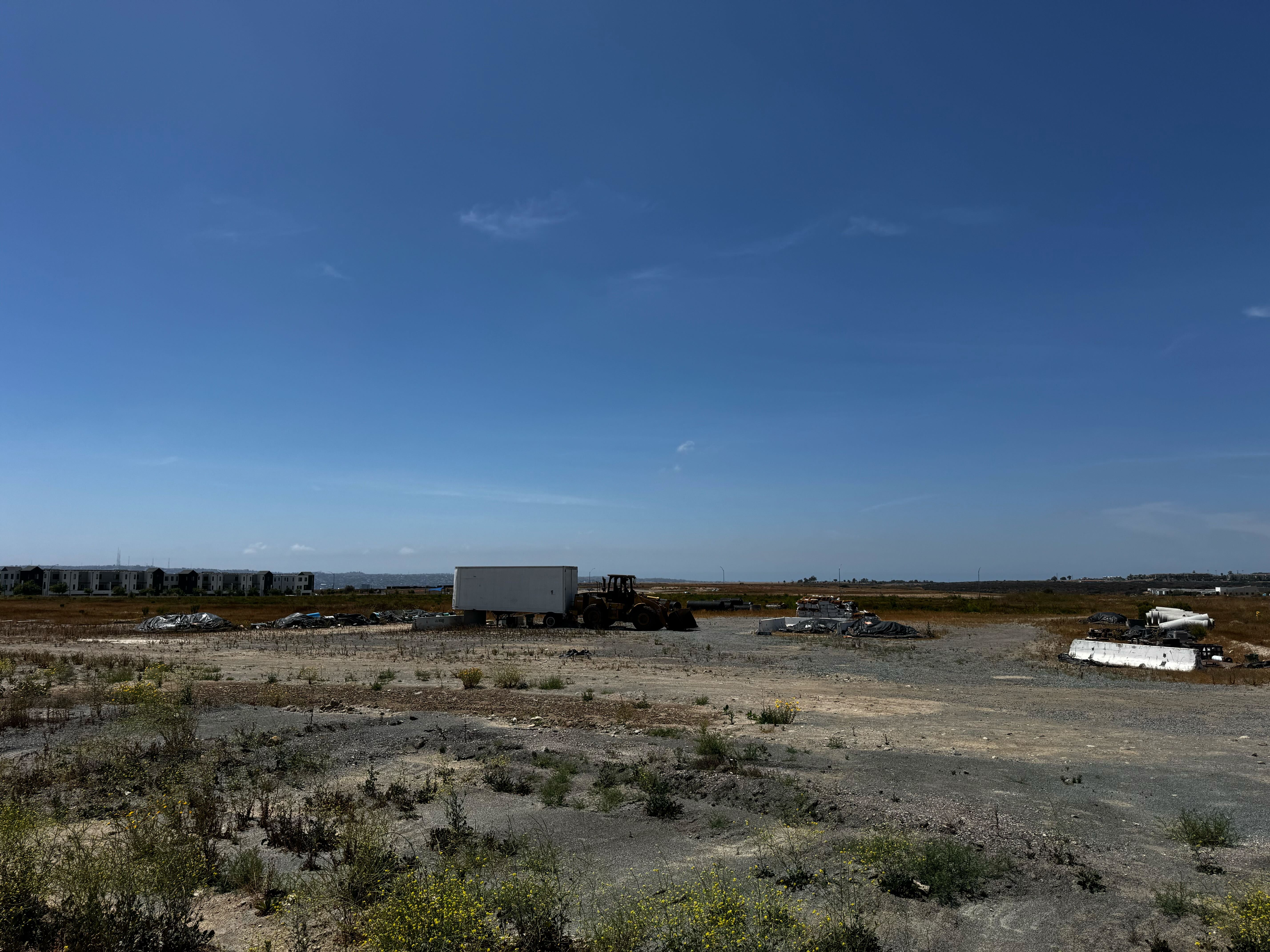
Vacant land near the intersection of Airport and Cactus roads in Otay Mesa where the nearly 1,000-unit Collection at Cactus is planned. (Phillip Molnar/The San Diego Union-Tribune)
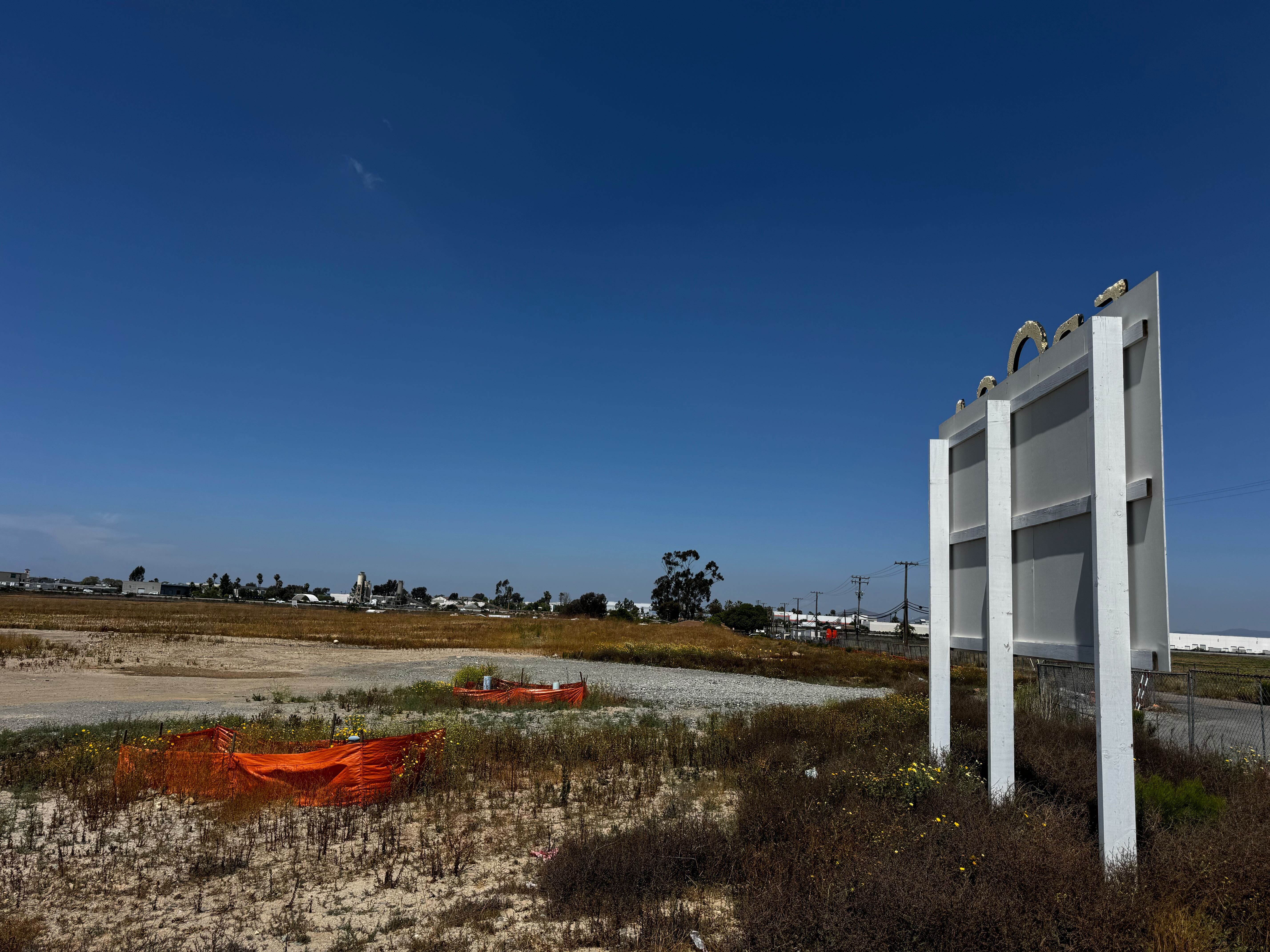
Vacant land near the intersection of Airport and Cactus roads in Otay Mesa where the nearly 1,000-unit Collection at Cactus is planned. (Phillip Molnar/The San Diego Union-Tribune)
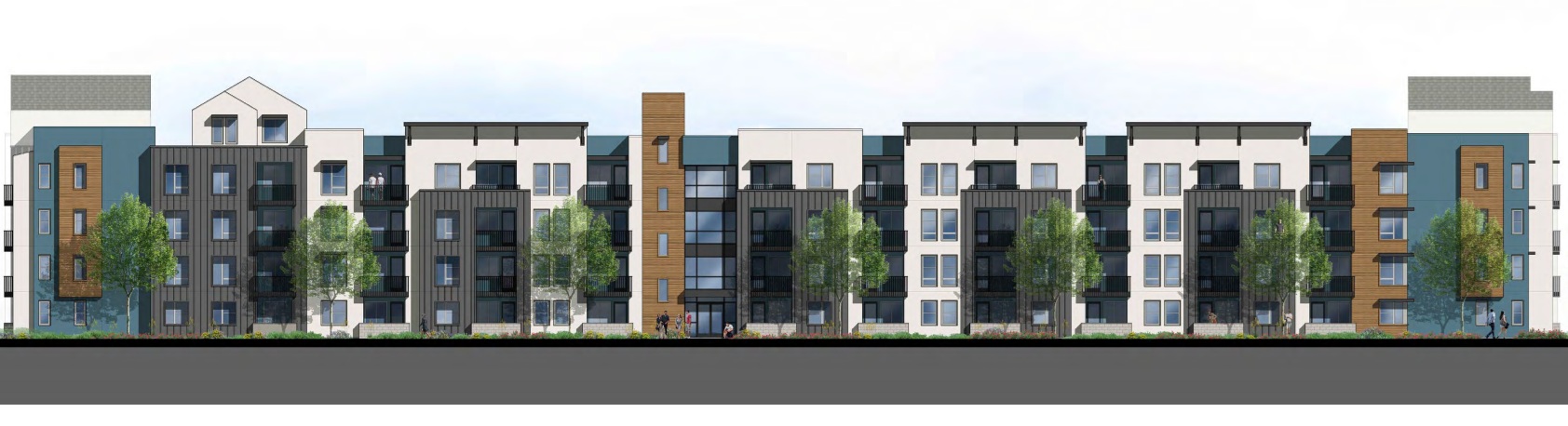
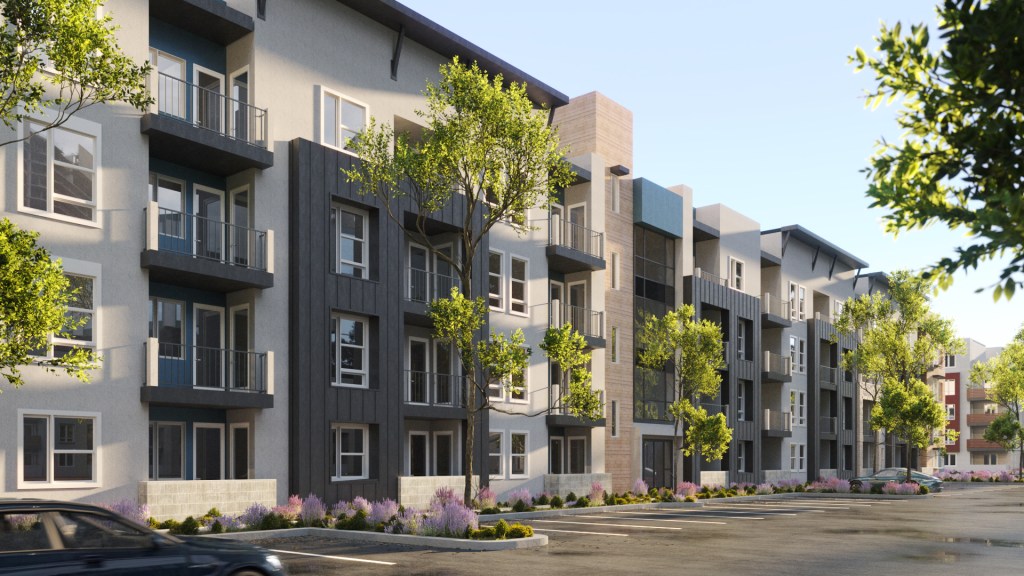
Rendering of planned homes at the Collection at Cactus in Otay Mesa (City of San Diego)
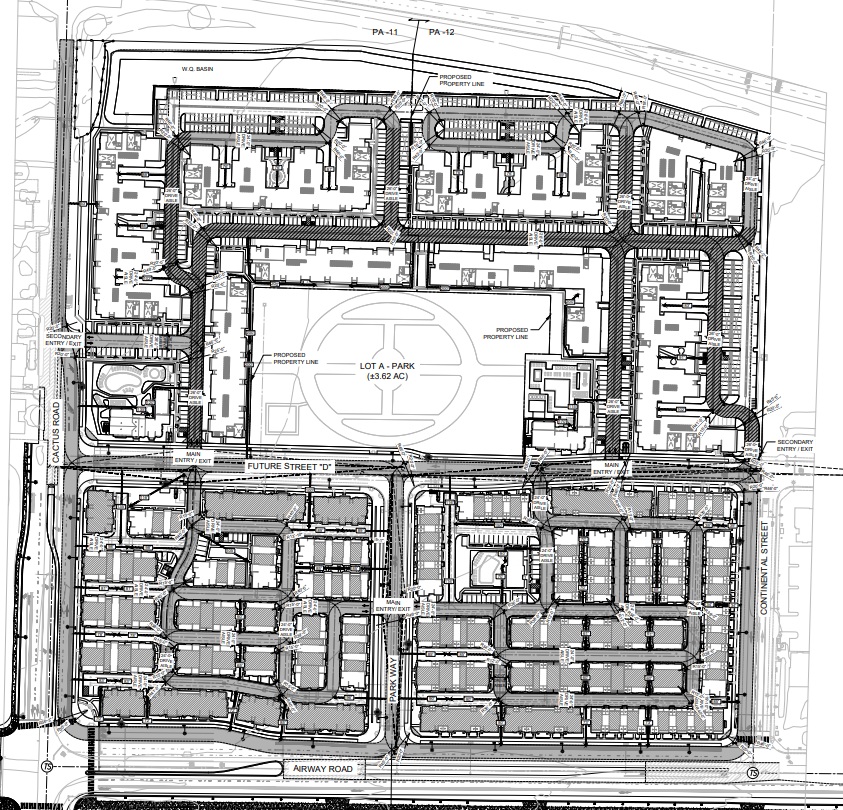
Blueprint of the planned Collection at Cactus housing plan in Otay Mesa (City of San Diego)
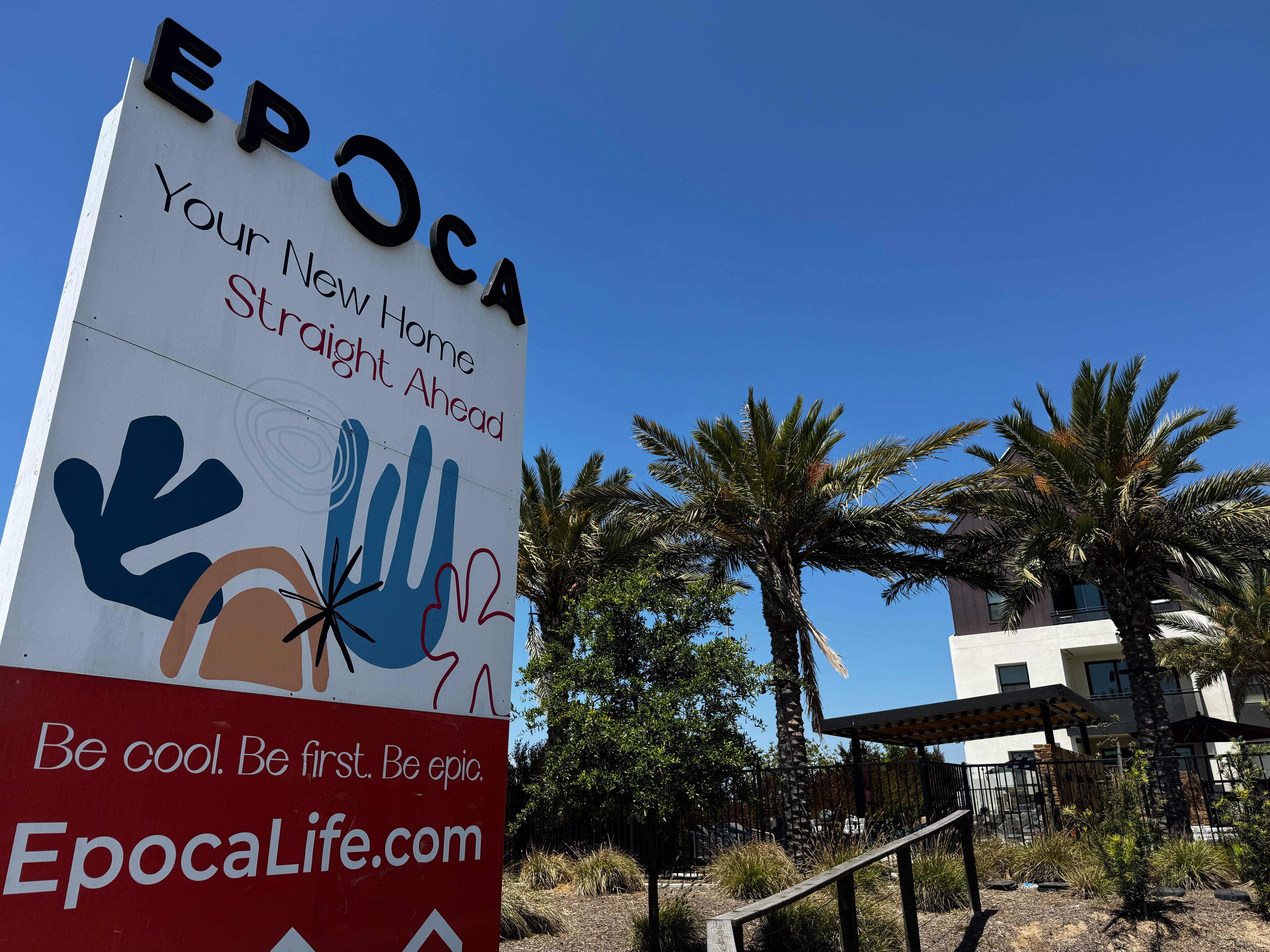
Several residential projects have opened in Otay Mesa, traditionally an industrial area for San Diego. (Phillip Molnar/The San Diego Union-Tribune)
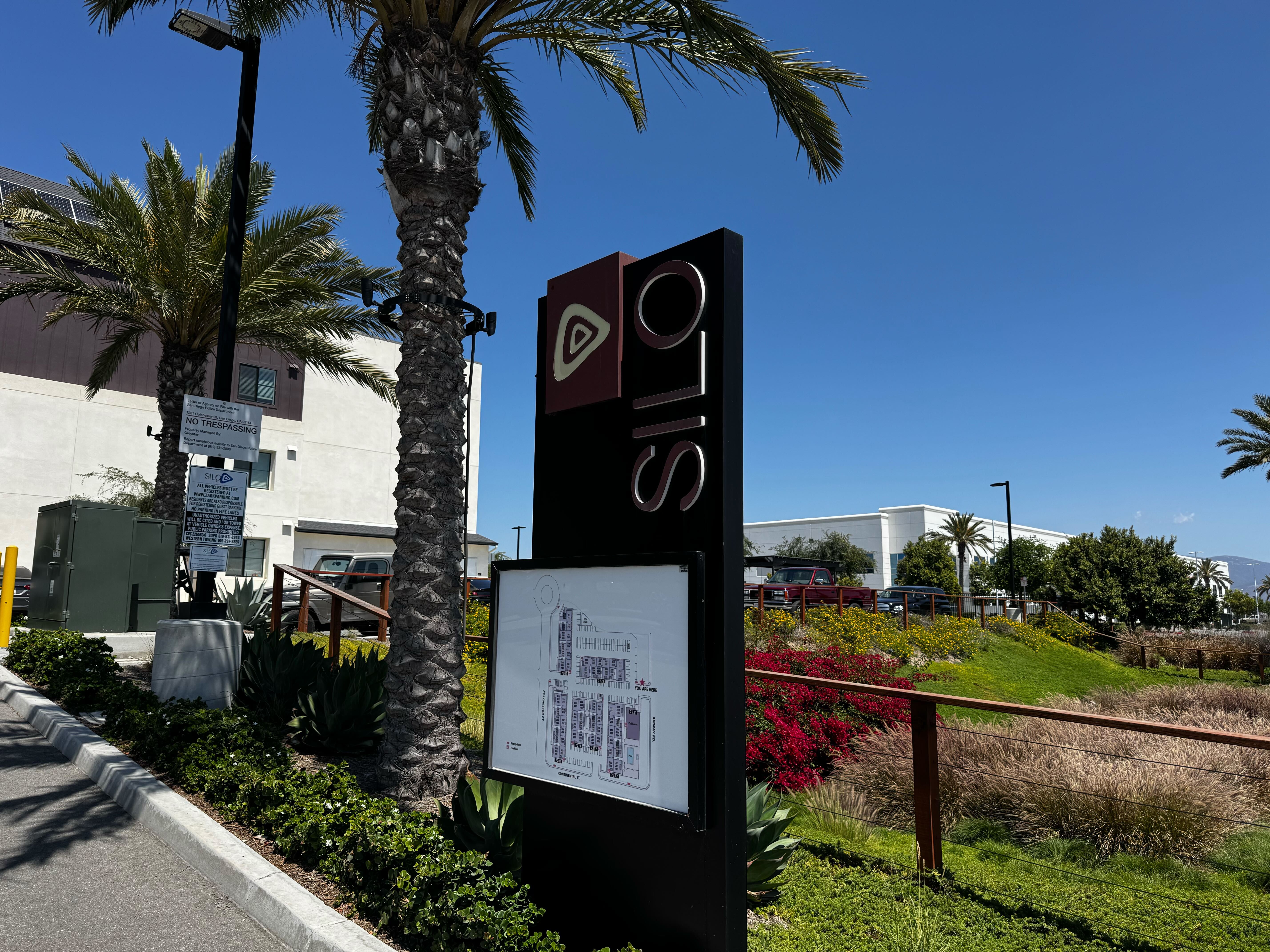
Several residential projects have opened in Otay Mesa, traditionally an industrial area for San Diego. (Phillip Molnar/The San Diego Union-Tribune)
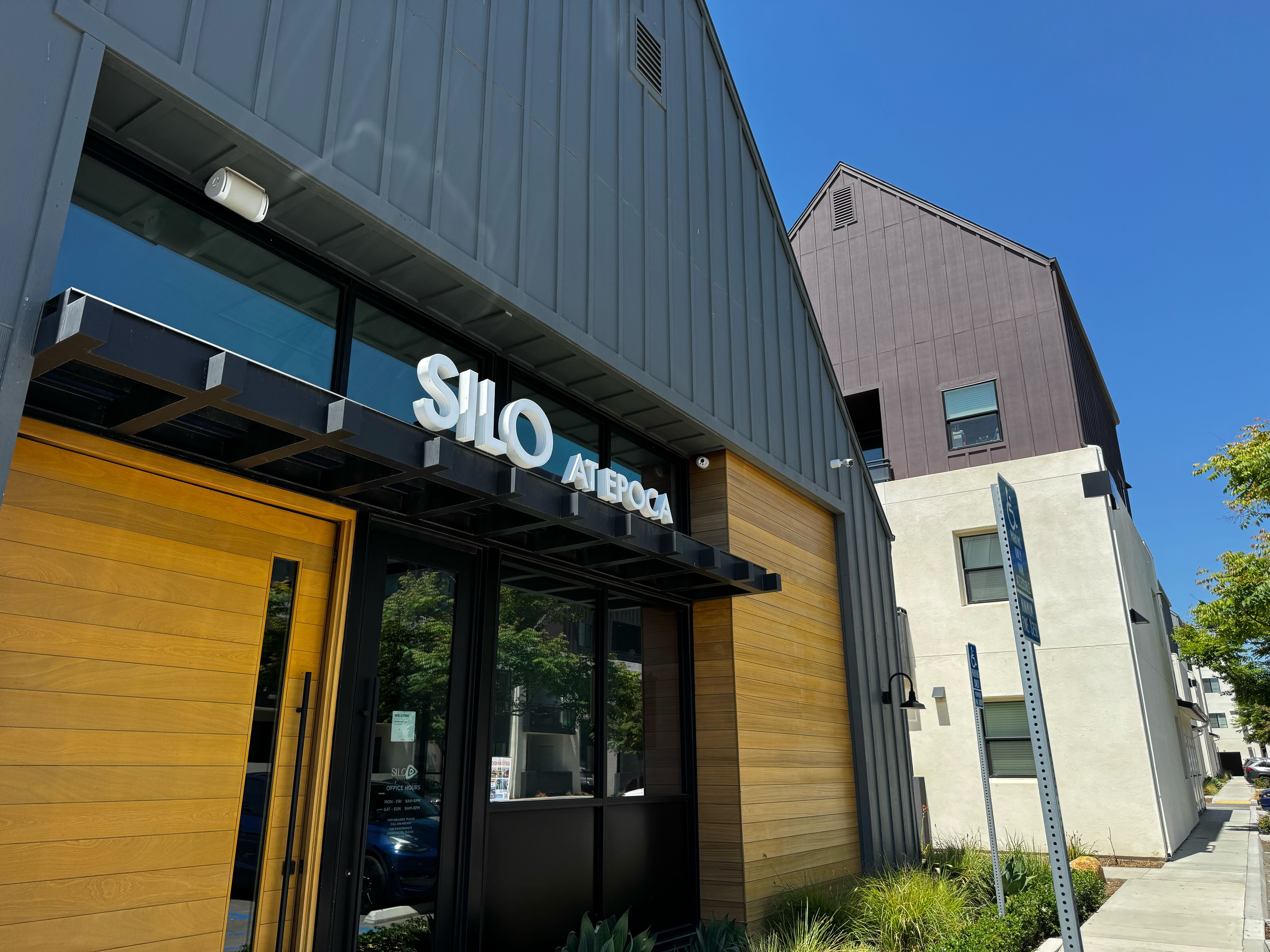
Several residential projects have opened in Otay Mesa, traditionally an industrial area for San Diego. (Phillip Molnar/The San Diego Union-Tribune)
Show Caption
1 of 9
Vacant land near the intersection of Airport and Cactus roads in Otay Mesa where the nearly 1,000-unit Collection at Cactus is planned. (Phillip Molnar/The San Diego Union-Tribune)
While it may seem like an odd spot for housing, it follows a trend of city planners approving more and more residential development in the area. Collection at Cactus will be next to the 350-unit Silo Apartments complex (opened in phases from 2023 to 2025) and up the road from the 160-unit Ironwood apartment complex (opened in 2023) and the 130-unit Mason Townhomes at Epoca rental complex (opened in 2023).
Collection at Cactus will include a 3.62-acre city of San Diego public park in its center, built by JPI but to be used by Otay Mesa’s growing residential population. The project will also include 88 subsidized housing units, which makes it one of the largest rent-restricted projects in San Diego County.
Texas-based JPI has built more than 2,300 homes in San Diego County since 1989, but the Collection at Cactus will be its biggest endeavor. It will require various road improvements — bike lanes, sidewalks and widened roads — and building extensive sewer and water infrastructure. Improvements will be paid by the developer, not the city.
Shepard said the complex will include pools, coworking space, gyms, resident clubhouses, outdoor kitchens, bicycle storage and electric vehicle parking.
The project is still a long way off from announcing home prices or rental rates. However, there are some nearby examples: The Silo apartments next door rent for an average $2,880 a month for a one-bedroom; $3,062 for a two-bedroom; and $3,653 for a three-bedroom, according to real estate tracker CoStar.
Buyers in Otay Mesa can find some of the least expensive housing in the county, a possible sign of what to expect at Collection at Cactus. A townhouse project from developer Lennar, called Vela, plans to start selling 1,114- to 1,824-square-foot homes in the mid-$500,000 range this summer. The project, across the street from Collection, will include two to four bedrooms, garages and decks. Lennar describes it as “Mexican-resort style architecture.”
Living in Otay Mesa will likely be very car-dependent. It would be a roughly two-hour walk to the nearest San Diego Trolley stop at Beyer Boulevard. However, there is a bus line, Route 905, that is about a 15-minute walk from Collection at Cactus. Residential car traffic will mix with the busy cross-border trade industry centered around the Otay Mesa Port of Entry, California’s largest commercial land port of entry, with more than $68 billion in trade on an annual basis.
Shepard said the design and intent of Collection is to create a walkable community. It will be a dense project by San Diego standards: All housing will be spread out among dozens of buildings in three- to four-story blocks.
JPI was allowed to build denser housing because of the inclusion of subsidized housing, which will be set aside for renters earning 50% to 60% of the area median income ($57,900 to $69,480 annually for an individual in today’s dollars) or below. City law encourages developers to include apartments for low-income renters by awarding them bonuses that allow for denser projects.
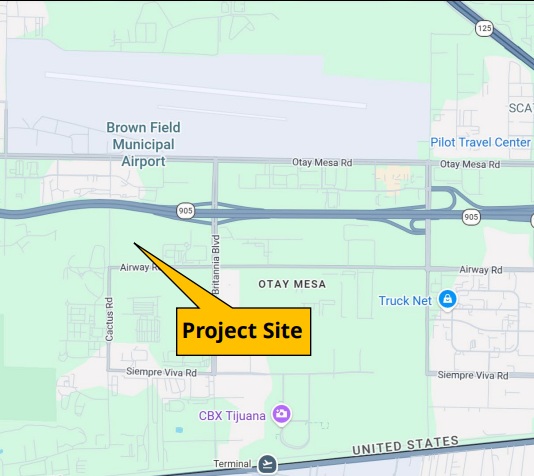 A map of the project site for Collection at Campus. (City of San Diego)