
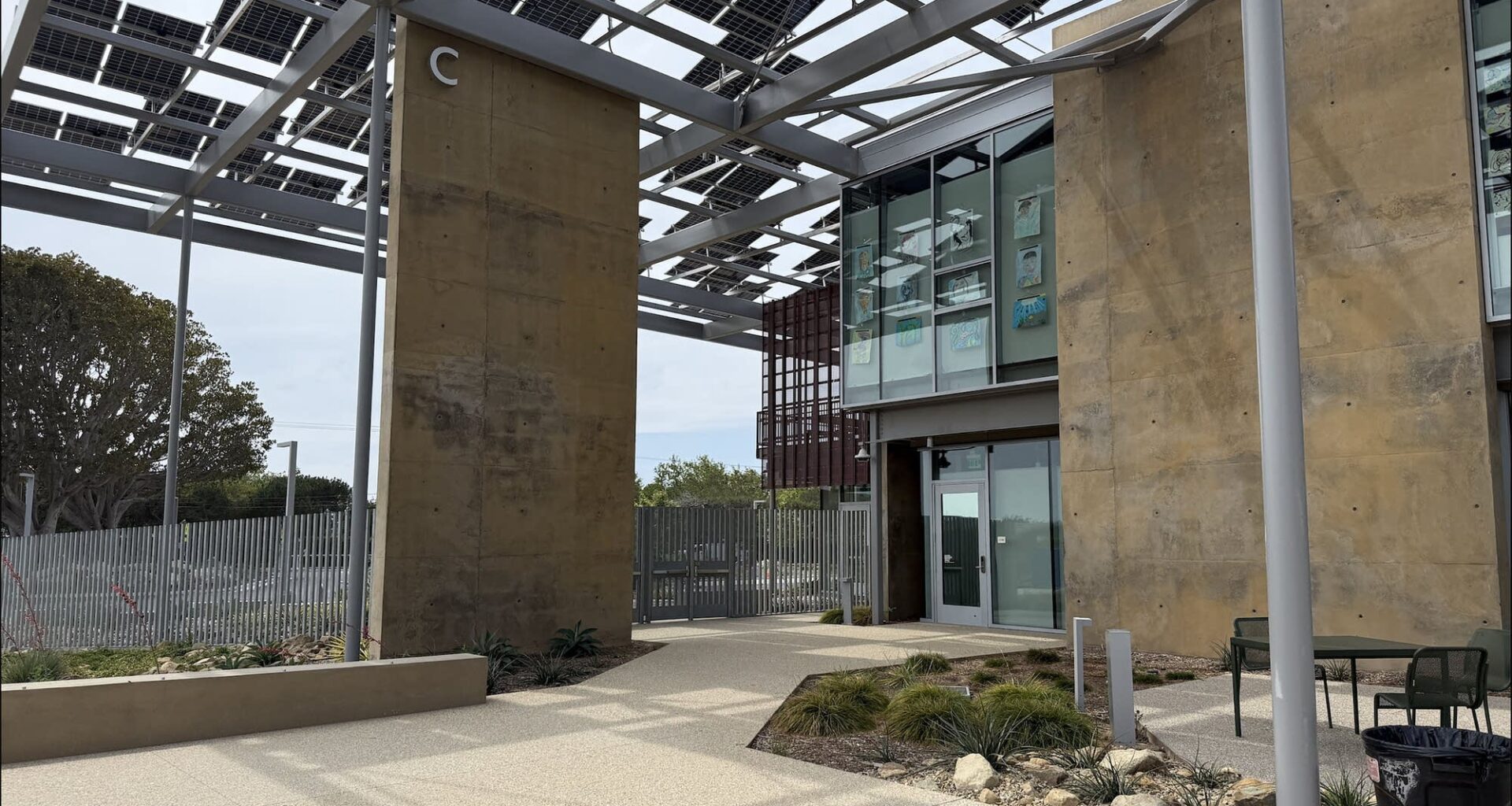
Starting this year, the part of California’s green building code that regulates “embodied carbon” applies to far more buildings. Now, commercial buildings over 50,000 square feet have to meet that code.
More than a third of planet-warming emissions come from buildings and construction. Most of that is what’s called “operational” carbon, which comes from running the air conditioning, keeping the lights on and other daily actions.
The rest of it is what’s called embodied carbon. That’s the emissions that it took to make the steel, concrete, glass and insulation, and put them all together.
“All I do is green building work, and we were really only looking at operational carbon, and almost totally ignoring embodied carbon, until just a few years ago,” said Drew Shula, who founded the sustainability consulting firm, Verdical Group.
Shula said the new California requirements aren’t especially difficult to meet, builders just haven’t had to think about them before.
“We are slow-moving. We like repetition. We like to do the same projects over and over, because it saves money, becomes more efficient,” he says.
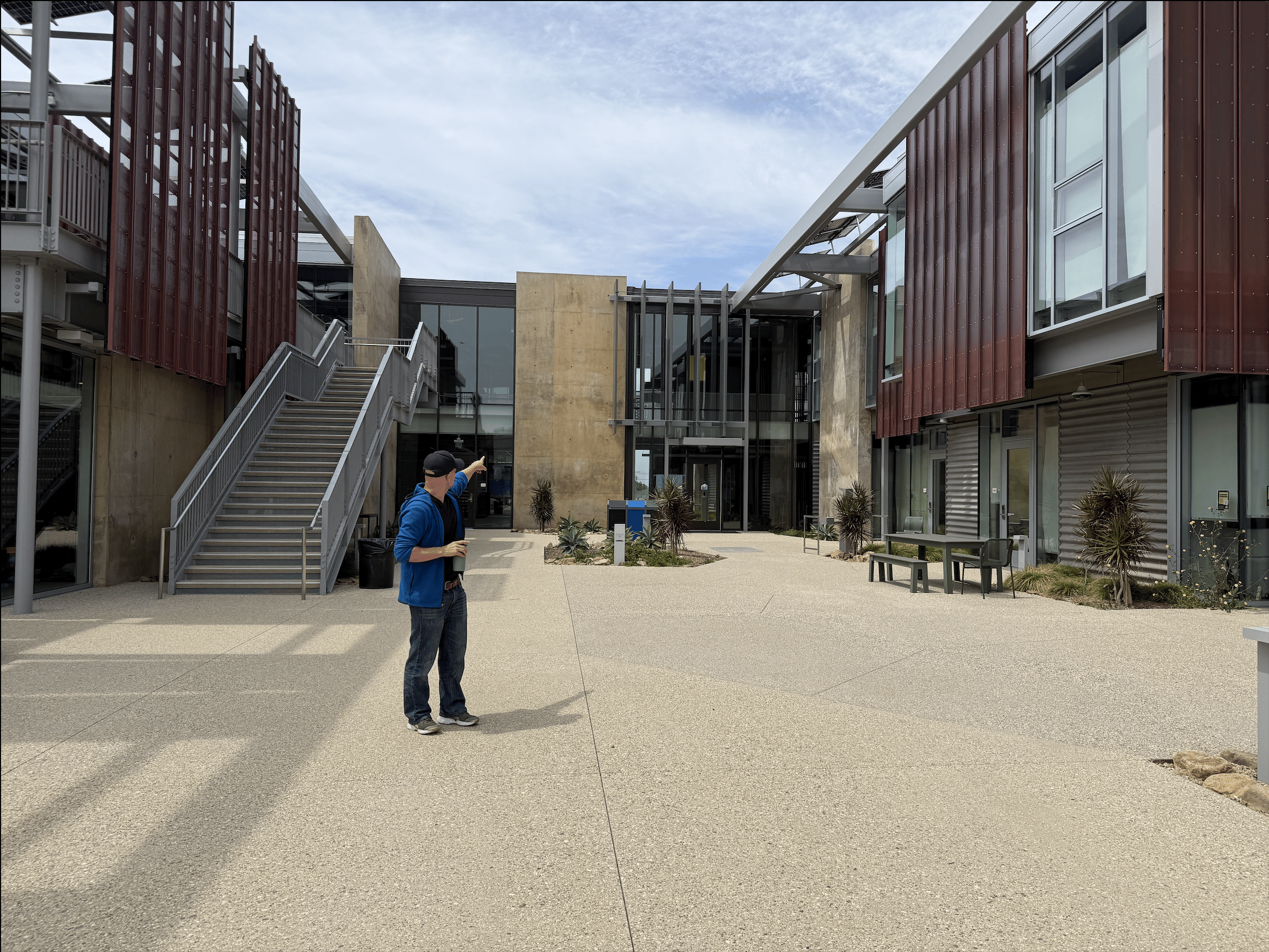
Drew Shula’s team helped make sure the building materials at Malibu High School complied with sustainability requirements, including the roof, floor, steel, walls, paint and insulation.
Courtesy of Verdical Group
A builder can comply by doing one of three things:
Reuse at least 45% of an existing building.
Prove a project emits 10% less carbon thanks to, say, recycled steel or some longer-lasting concrete alternative.
Use building materials that each meet a lower global warming threshold.
“There is all kinds of documentation that goes along with that. So it’s another piece of paper to review. It’s another hurdle to keeping things moving,” said Emily English, sustainability director for BnBuilders.
She said the hurdle isn’t big enough to make her projects cost more or take longer, as long as her company gets clear, actionable goals ahead of time. And because it’s a requirement, it solves a main problem the industry faces with sustainable materials.
“The challenge is oftentimes people aren’t aware of what exists and where to get it. And also, on the flip side, most of the manufacturers aren’t really aware of what demand really is. So they don’t necessarily invest in these alternative options,” said Ben Stapleton, CEO of the US Green Building Council of California.
Mandating those options fixes that problem. It’s why Stapleton calls this policy one of the most significant changes to the industry in the past five to 10 years. And that change will also help designers and contractors outside of California find more sustainable building materials too. California has the largest state economy in the country.
“Because of it forcing manufacturers to shift their practices to serve our market, they might as well shift their practices for most of the rest of the country,” Stapleton said.
California became the first state to mandate embodied carbon reductions, but New York, Colorado, and several other states have also introduced or adopted legislation that target embodied carbon.
Related Topics