
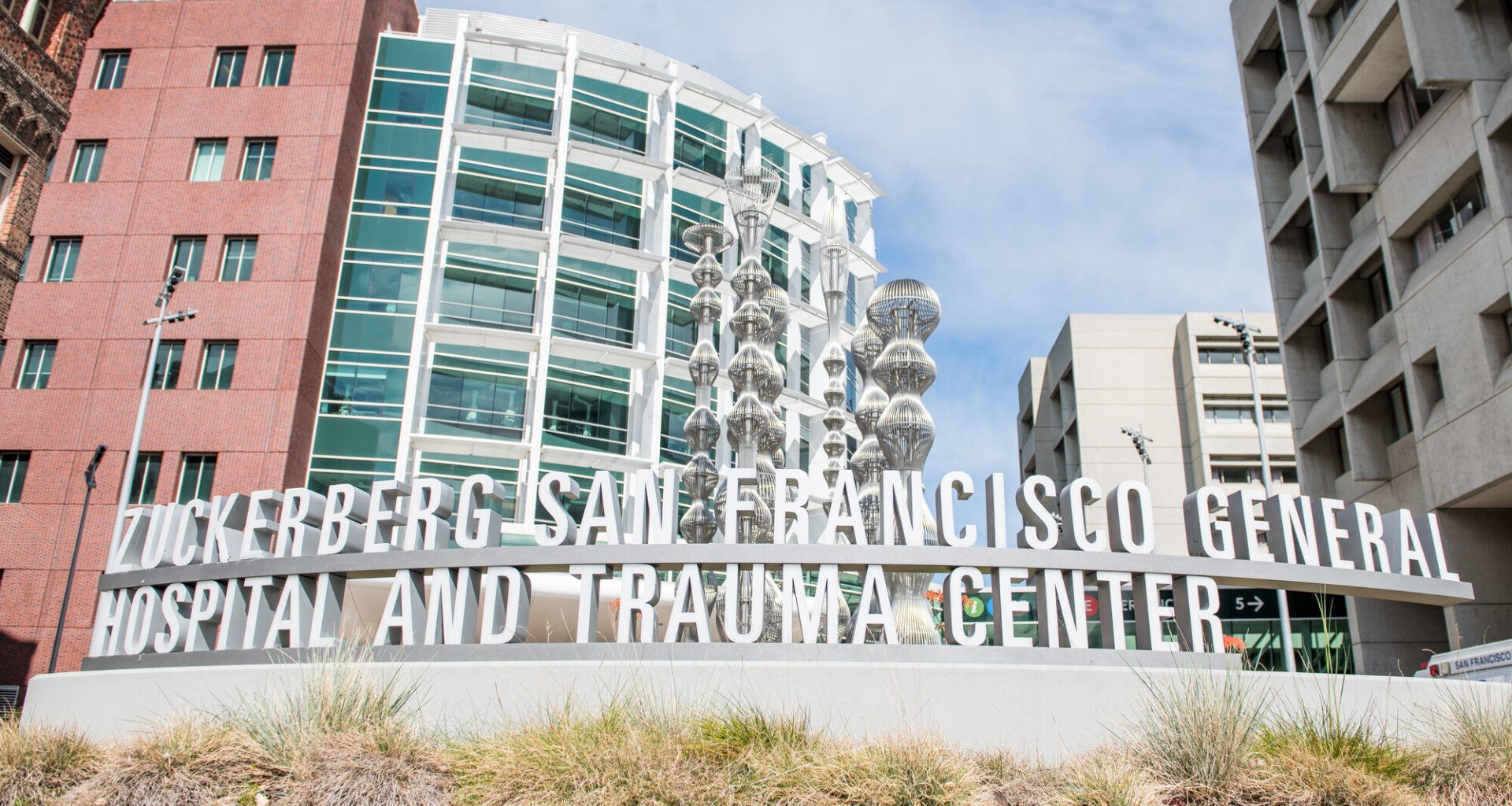
The 13-page report presented a list of recommendations for the hospital and health department in response to the stabbing. It calls for a more consistent process for threat risk escalation and follow-up, more clarity on how different security and law enforcement should respond to threats, and psychological support for staff. It also identified the need for better security measures at Ward 86, including weapons detection and panic buttons for staff.
“We heard from many staff members within ZSFG and our partner clinical sites about ways to make meaningful and lasting improvements to safety,” said Dr. Susan Ehrlich, the CEO of Zuckerberg San Francisco General Hospital. “Staff also reminded us not to forget the importance of making sure our patients feel welcome. We need to remain accessible to our vulnerable city residents, while instituting changes that protect everyone who walks through our doors.”
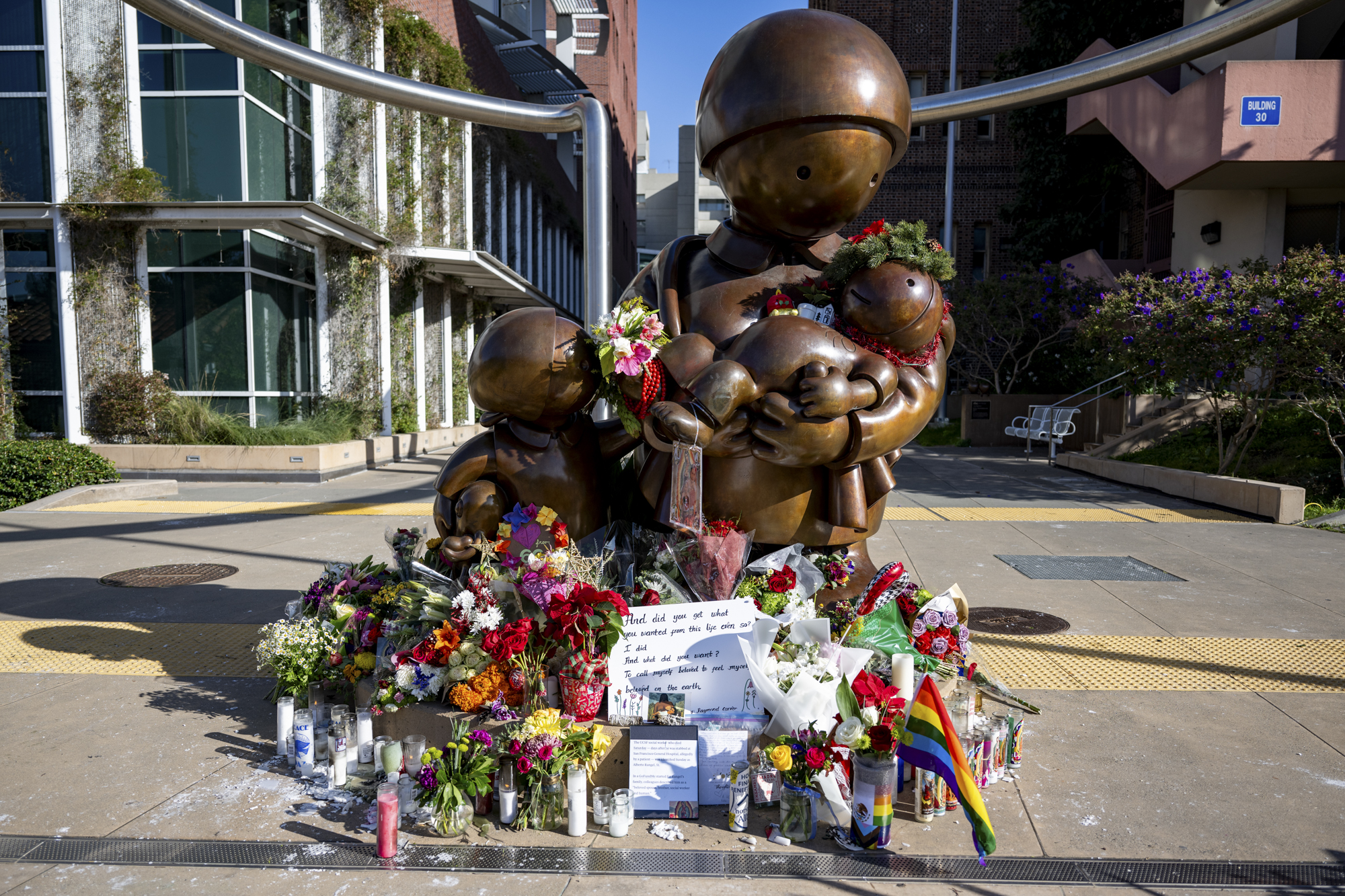 A memorial for social worker Alberto Rangel, who was fatally stabbed on December 4 at Zuckerberg San Francisco General Hospital, outside the hospital on Dec. 9, 2025. (Beth LaBerge/KQED)
The health department said it has already developed a 24-7 threat management team to better coordinate risk assessments, weapons detection systems and security staff at all DPH sites.
The report provided a detailed timeline of events, including how staff reported the patient’s dangerous behavior in the weeks before he stabbed Rangel. The investigation also revealed that one of his colleagues at SF General first intervened in the attack, not a sheriff’s deputy.
Ward 86 staff previously told KQED that they were dismayed by the city’s public response immediately following the tragic incident, particularly around how the San Francisco Sheriff’s union posted images online claiming that one of their deputies prevented a “mass stabbing” through swift intervention.