
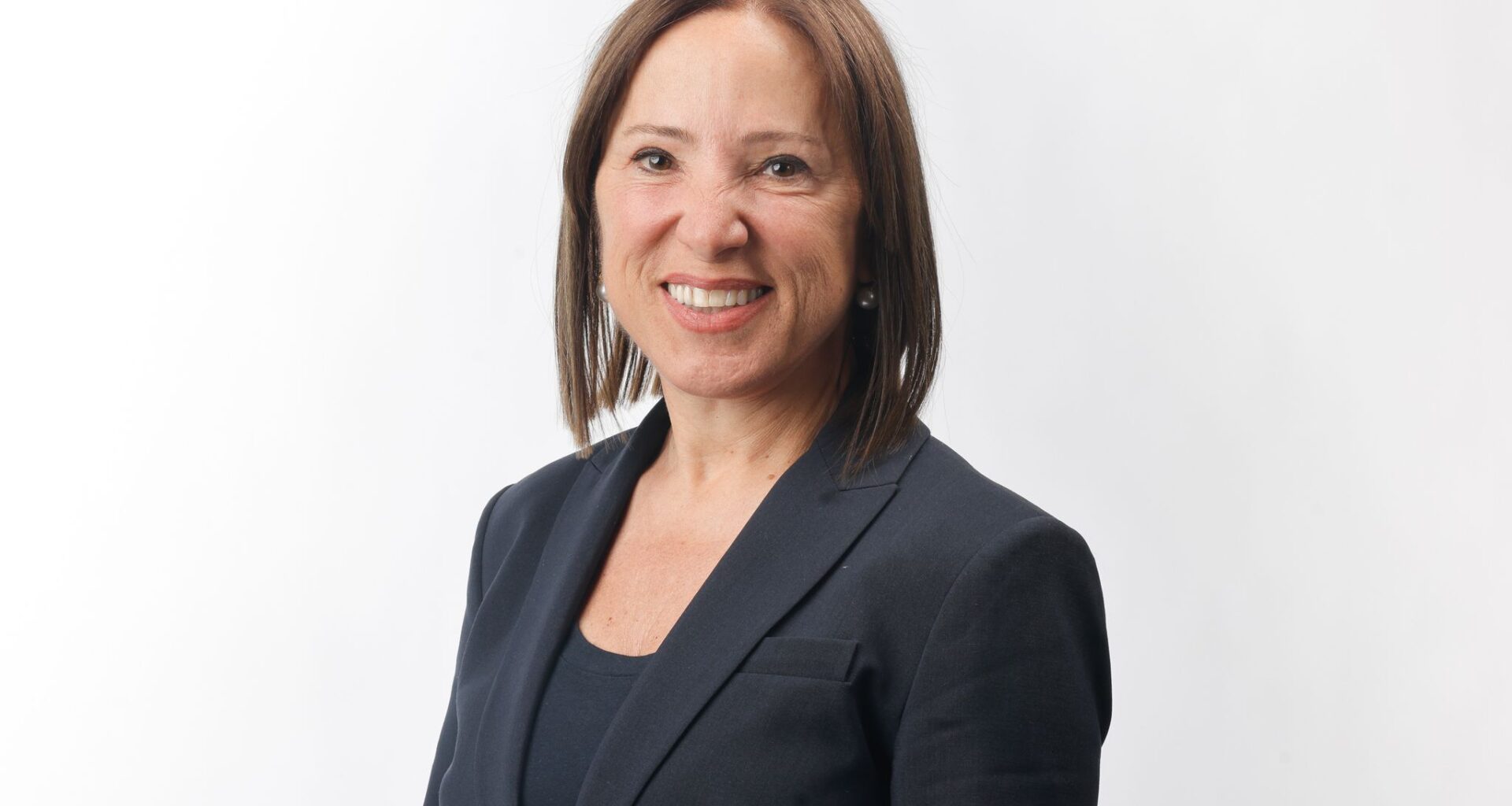
Eleni Kounalakis’ considerable diplomatic skills could make the state treasurer’s office more effective and efficient, the editorial board says.
Lea Suzuki/S.F. Chronicle
Being California state treasurer isn’t a sexy job. Few politicians’ eyes light up at the idea of leading the state’s Debt Limit Allocation Committee — just one of the dozens of committees and boards on which the treasurer plays a key role.
Yet the treasurer is the main banker, financier and asset manager for the world’s fourth-largest economy — an immense responsibility.
The job involves financing public works projects — such as schools, parks and transportation infrastructure — and awarding funds for affordable housing and student loans. The treasurer also serves on the boards of the California Public Employees’ Retirement System and the California State Teachers’ Retirement System — two of the world’s largest pension funds that together manage nearly $1 trillion in assets.
Article continues below this ad
The Chronicle editorial board has begun rolling out its endorsements for California’s June primary election. In the weeks to come, we will publish our assessments of all the state races, including the governor’s race, plus local races and ballot measures. To read more about how the editorial board makes its election endorsements, go here.
Plus: Look out for the Chronicle’s Voter Guide to publish in early May, as ballots get mailed out across the Bay Area.
Being treasurer obviously demands a leader who is fiscally savvy and detail-oriented. But collaborative skills are also crucial. The state will soon begin implementing a reorganization plan spearheaded by Gov. Gavin Newsom to create a new state housing agency, which will streamline affordable housing financing programs already under the governor’s control. Newsom has also introduced a bill to assume control of some funding administered by the treasurer’s office — a proposal that’s divided affordable housing advocates.
The next treasurer can and should be involved in these negotiations to ensure California’s precious affordable housing funds are administered fairly, transparently and efficiently.
San Francisco Chronicle Logo
Make us a Preferred Source to get more of our news when you search.
Add Preferred Source
Six candidates are running to replace Fiona Ma, who’s termed out. Two Democrats stand out.
Article continues below this ad
State Sen. Anna Caballero of Merced, a former state Assembly member and mayor of Salinas, knows how to run a large government agency. When he was governor, Jerry Brown appointed her to lead his newly created state Business, Consumer Services and Housing Agency, where she oversaw a $27 billion budget and managed 16,000 employees.
Caballero has meaningful experience in other areas overseen by the treasurer. She was a principal author of a 2023 law that created a $300 million fund – administered by an authority housed in the treasurer’s office – to prevent financially challenged nonprofit and public hospitals from closing.
Last year, Caballero authored a bill to create a nonprofit organization within the treasurer’s office that would leverage private-public partnerships to finance housing and transportation projects. But that bill — which hasn’t cleared the Legislature — raises serious questions about how Caballero would steward public dollars. The initial draft exempted almost all records from public disclosure and contained no limits on the amount of debt the nonprofit could take on, with nothing to backstop it if it were to collapse.
Caballero said she “took the transparency issue very seriously” and amended the bill to permit most records to be released. She said the bill was intended to help the state finance important but higher-risk infrastructure developments, such as hydrogen power generation and carbon capture projects.
In our interview, Caballero had an almost singular focus on hydrogen power — an expensive and unproven technology. We worry this could lead the state down a fiscally perilous path. Caballero also displayed a concerning lack of knowledge about Newsom’s housing reorganization plan — she said the Legislature “never had a hearing” on the proposal, although it in fact did.
Article continues below this ad
The other top contender is Eleni Kounalakis, the state’s lieutenant governor.
At first glance, the treasurer role seems like a step down for Kounalakis, the former U.S. ambassador to Hungary under President Barack Obama, who last year dropped her longstanding gubernatorial bid. But she made clear in our interview that the technical aspects of the treasurer’s office appealed to her after years of “standing in front of a podium with a visiting dignitary.”
Kounalakis made a convincing case for how she could leverage her considerable diplomatic skills to make the treasurer’s office more effective and efficient. For affordable housing projects stuck in political logjams, “I will pick up the phone and call any city planner and call any elected official and call any community group … to move things forward” — a realistic promise, given her development background as president of a real-estate company founded by her father. Similarly, she intends to build a “trusting relationship” with bond agencies to improve California’s rating, which could save the state hundreds of millions of dollars.
Kounalakis’ background in finance and human rights should also allow her to forge compromises on California’s pension boards, which face perennial calls to divest despite concerns that such changes could put workers’ retirement benefits into jeopardy.
With her thorough grasp of the treasurer’s complex duties and the political gravitas to get things done, Kounalakis deserves your vote.
Article continues below this ad
The editorial positions of The Chronicle, including election recommendations, represent the consensus of the editorial board, consisting of the publisher, the editorial page editor and staff members of the opinion pages. Its judgments are made independent of the news operation, which covers the news without consideration of our editorial positions.
Also running is Tony Vazquez, a Democratic member of the state Board of Equalization who pledged to invest state pension funds locally, with little mind to returns: “I don’t think it’s a bad thing if we take a hit on that,” he told us, which we view as immediately disqualifying.
The remaining contenders are Glenn Turner, a Green Party candidate who wants to establish a public bank; Republican businessman David Serpa, who pledged to launch a “tax rebellion”; and Jennifer Hawks, a Republican and retired businessperson who declined our interview request.
Reach the Chronicle editorial board with a letter to the editor: www.sfchronicle.com/submit-your-opinion.