
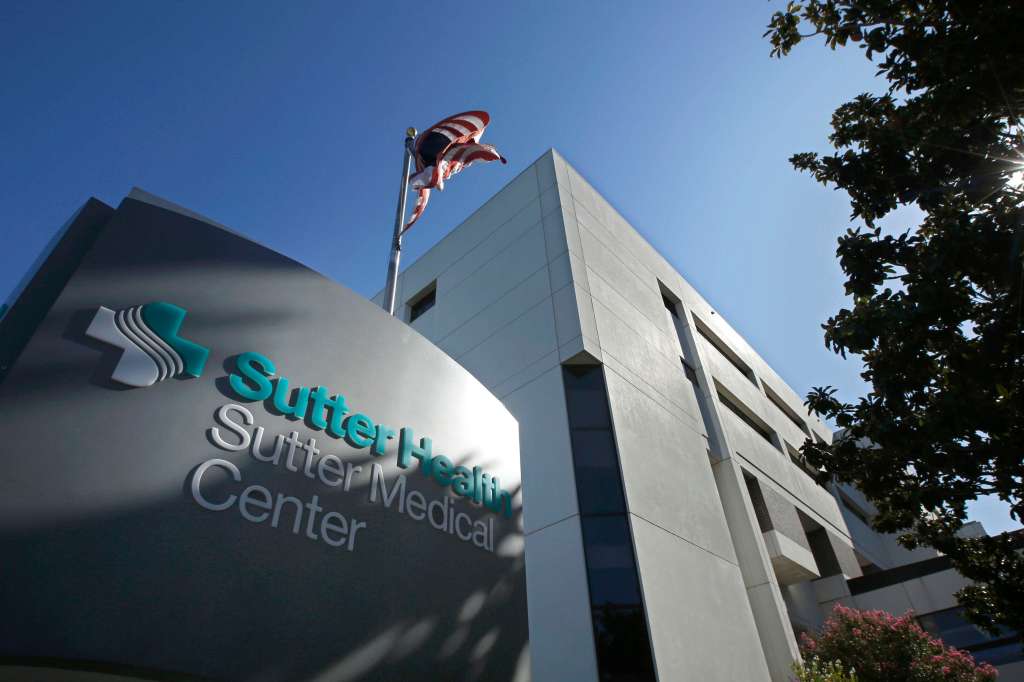
Sutter Medical Center, Sacramento, and Sutter Fairfield Surgery Center have agreed to pay $3.2 million to resolve allegations that they failed to adequately guard against the theft and diversion of controlled substances, U.S. Attorney Eric Grant announced recently.
The settlement addresses allegations that the two Sutter-affiliated entities committed at least 628 violations of recordkeeping and security requirements under the Controlled Substances Act. Of those, 360 violations were attributed to the Sacramento facility and 268 to the Fairfield facility.
According to the United States, the health care locations violated the law by failing to notify the Drug Enforcement Administration of theft or loss, maintain accurate records of controlled substances, complete required biennial inventories, keep complete order records, and implement effective controls against diversion. The investigation was initiated following the death of a pediatric anesthesiologist in Sacramento.
“We remain steadfast in our commitment to hold health care providers accountable for failing to effectively guard against the diversion of potentially dangerous controlled substances,” said U.S. Attorney Grant in a press release announcing the settlement. “Our community deserves the right to place its trust in health care providers that dispense controlled substances and to know that they adhere to and apply the right safeguards to ensure safety around those products.”
Federal law requires entities to maintain complete and accurate records of the acquisition and disposal of controlled substances to ensure that medications administered to patients are properly tracked and documented, and to prevent diversion of those substances.
“DEA registrants play a critical role in protecting the public, and that responsibility starts with strict compliance with the Code of Federal Regulations,” said DEA Special Agent in Charge Bob P. Beris of the San Francisco Field Division. “If a company chooses to ignore these obligations, it puts communities at risk and undermines the safeguards designed to keep the public safe. DEA holds registrants accountable and, in turn, expects them to keep the public safe.”
The Drug Enforcement Administration conducted the investigation, with assistance from Assistant U.S. Attorney David Thiess in resolving the matter on behalf of the United States.
The claims resolved by the settlement are allegations only, and there has been no determination of liability. The agreement is neither an admission of liability by the registrants nor a concession by the United States that its claims are not well-founded, according to the agreement.