
Updated April 23, 2026 01:16PM
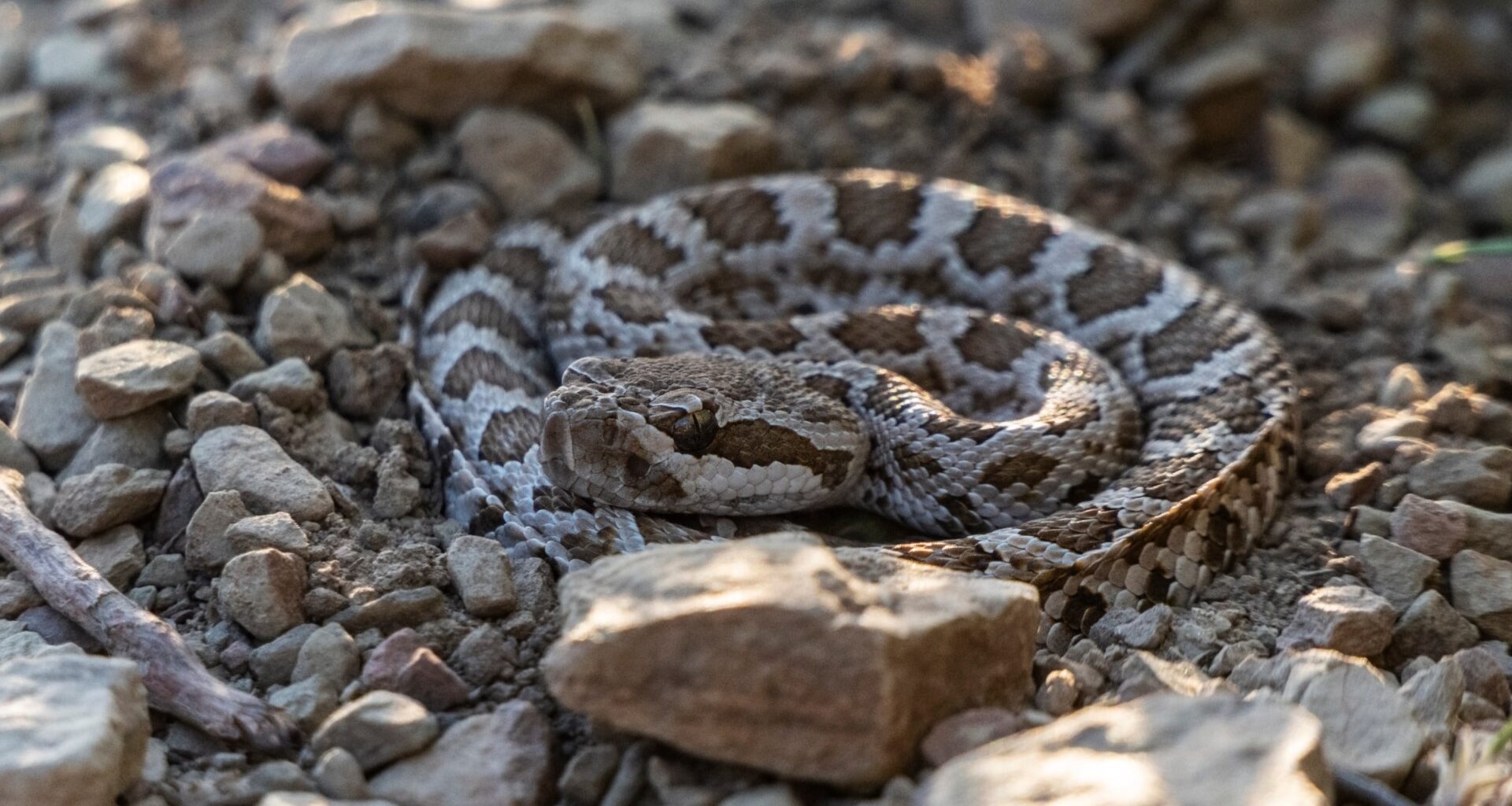
In an average year, California records zero or one death from rattlesnake bites. On April 10, the state suffered its third of 2026 so far.
According to a press release from the Mendocino County Sheriff’s Office, on April 8 a 78-year-old woman was walking on a rural property in Redwood Valley, located in the northern part of the state, when a rattlesnake bit her three times. Emergency responders transported her to the hospital, but her condition declined and two days later, she passed away. An autopsy concluded that she died from snake envenomation and disseminated intravascular coagulopathy, a clotting condition that results in extensive internal bleeding.
While venomous snakebites and deaths from them remain very rare, there’s little denying that both are surging in California this year. In addition to the three deaths, the California Poison Control System reported 77 rattlesnake bites in the first three months of the year. Considering that the warmest months are yet to come, the state is on pace to exceed the average of 300 to 400 incidents it records in a normal year.
Behind the rise in snakebites is a warmer-than-usual spring, buttressed by a period of wet weather. In an interview before the latest death, Dr. Emily Taylor, a snake researcher from California Polytechnic State University and founder of Central Coast Snake Services, told Backpacker that booming rodent populations and rising temperatures likely allowed snakes to become active earlier than they usually would have.
Hikers, who frequent areas where rattlers are common, are at particular risk. At least one fatality this year and several recent bites have involved people out for a walk on a trail. The hazard isn’t limited to California, with other western states like Arizona reporting an increase in envenomations this year as well.
“It’s really good if people just respect rattlesnakes,” Taylor said. “It’s okay if they don’t like them, but give them a wide berth, admire them from a distance, and know that they’re going to be there no matter what, so we need to just know how to be safe around them.” Here’s how hikers can minimize their chance of a negative encounter with a rattler.
Where can I expect to encounter rattlesnakes?
While we often associate the image of a coiled, rattling snake with the Southwest, rattlers are more widespread than you might think. Rattlesnakes inhabit all of the Lower 48 states except for Maine and Rhode Island, where they’re locally extinct. Their populations are especially dense in the Southwest thanks to warm, sunny weather and plentiful habitat.
With that said, you’re more likely to run into snakes in some environments than others. As ectotherms, rattlesnakes regulate their body temperature by sunning themselves or seeking shade, so they gravitate towards talus, scrub, tall grass, and other environments where they can find both shelter and sunshine as they like.
How can I avoid rattlesnake bites?
Situational awareness is key: As Taylor told Backpacker, hikers need to pay close attention to their surroundings and avoid putting their hands or feet where they can’t see. Stay on trail, especially in brushy or grassy areas, and avoid using headphones, which can prevent you from hearing a snake’s warning rattle.
Your footwear choices can help keep you safe as well. Sturdy, ankle-high boots can help prevent a bite on the lower extremities. While standard gaiters can’t resist fangs, specialized snake-resistant models like the TurtleSkin SnakeArmor ($233) are capable of warding off a strike if worn properly.
Can I move a rattlesnake if it’s blocking the trail?
Definitely don’t do that. Hikers touching or disturbing the reptiles have suffered bites in the past, including a fatal one at Tennessee’s Savage Gulf State Park in 2025. Your trekking pole won’t keep you safe, either: According to the Arizona-Sonora Desert Museum, rattlers can strike from a distance of up to two-thirds of their body length. The US Forest Service advises hikers to stay at least 6 feet away—the maximum length that most Western species reach. Snake won’t budge? Walk around it or backtrack.
What should I do if I’m bitten by a rattlesnake?
First, call 911: The only treatment for a rattlesnake bite is antivenom, administered at a hospital. Try your best to stay calm, as keeping your heart rate down can help slow the spread of the venom. While you wait for evacuation, remove any jewelry and keep the bitten limb elevated slightly above your heart to reduce swelling. Do not apply a tourniquet or attempt to cut the wound or suck out the venom: These “treatments” do not work, and could result in further damage. If you can’t reach help and must hike out, do so slowly and carefully.
I’ve heard that baby rattlesnakes are more dangerous than adult ones. Is that true?
It is not. There’s a widespread misconception that juvenile rattlers’ bites are deadlier because they haven’t learned to control how much venom they inject. It’s not just laypeople spreading it, either: A study published in the journal Toxins in March 2026 found that an overwhelming 73.3 percent of emergency responders and health professionals believed the so-called “venom dump” hypothesis. The reality: Years of research has shown that baby rattlesnakes are capable of controlling how much venom they inject. While baby rattlesnakes may pose unique risks because of their small, easily-missed size and the fact that they aren’t born with a rattle, adult rattlesnakes deliver significantly larger venom loads and therefore a more dangerous bite.
While we’re at it, let’s bust a few more snake myths. There is no evidence that rattlesnakes are evolving to lose their rattles; while some populations may rattle less than others, that’s typically because they live in high-traffic areas where they’ve become accustomed to people. On the flip side, rattlesnakes don’t always rattle before they strike, especially when they’re taken by surprise. And if you are bitten by a rattlesnake, the bite won’t kill you immediately: Unless you’re unlucky enough to have a severe allergic reaction, like the hiker in the Savage Gulf incident, you likely have enough time to seek medical care.
A New Perspective on Rattlesnakes
For many hikers, the problem isn’t that they need to be more cautious of snakes—it’s that they’re too nervous about them already. Ophidiophobia, or the extreme fear of snakes, is one of the most common phobias, and can lead people to avoid outdoor areas where they may run into the reptiles, which, in a state like California, is most of them.
But while they can be spicy when surprised, rattlesnakes would prefer to be left in peace to hunt their prey, sunbathe, and raise their young. That’s the message of Project RattleCam, an initiative by Taylor which placed livestreaming cameras in a pair of rattlesnake dens located in undisclosed locations in Colorado and California in order to give members of the public a chance to observe rattlers from a safe distance.
“The big spoiler is that they’re super gentle and they have complex social structures and the mothers take care of the babies they give live birth to,” Taylor said. “It’s really fascinating. It’s not what you see on TV where they’re portrayed as being really vicious and aggressive.” Her hope, she said, is that giving members of the public an intimate look at how snakes behave when people aren’t around will “help right some of the wrongs that have been done to this maligned animal over the years.”