
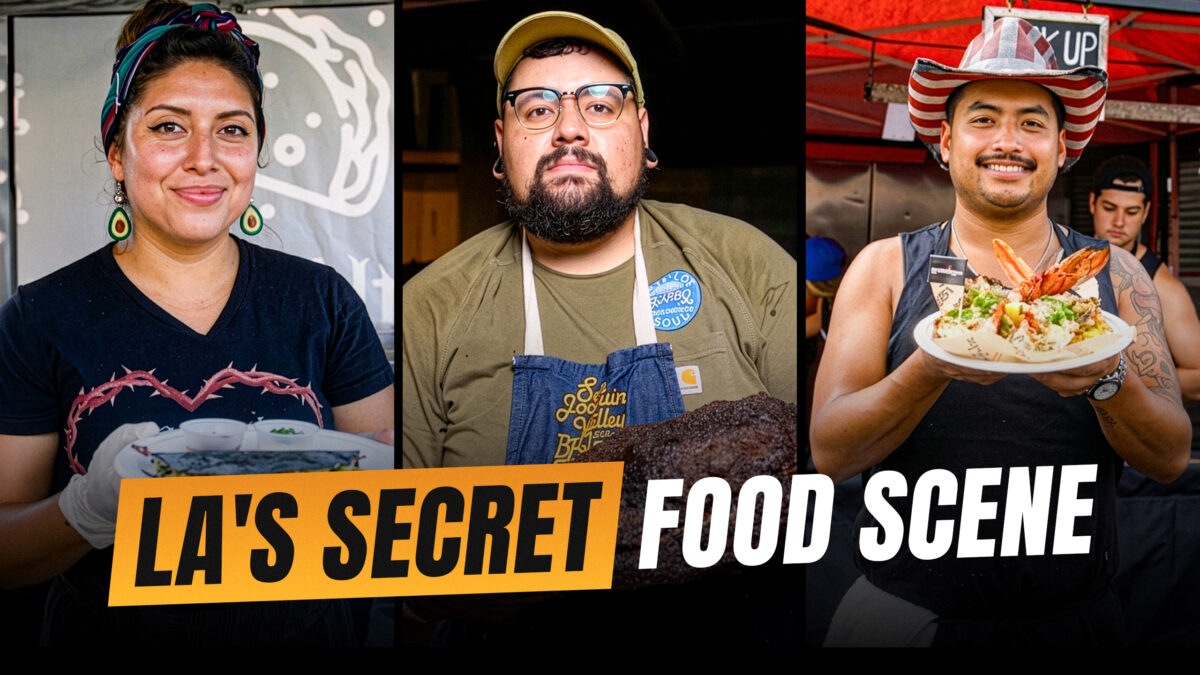
After over 100 restaurants closed in 2024 and 2025, pop-up restaurants surged. A documentary crew and I followed a couple of chefs over the course of one summer to peek behind the curtain of what it was like operating one
Cole’s French Dip. Clifton’s Cafeteria. Angel City Brewery.
That’s just a few of the iconic L.A. food and drink establishments closing this month, part of an ongoing deluge of shutterings.
In 2023, Los Angeles saw over 65 major restaurant closures. In both 2024 and 2025, that number moved north of 100.
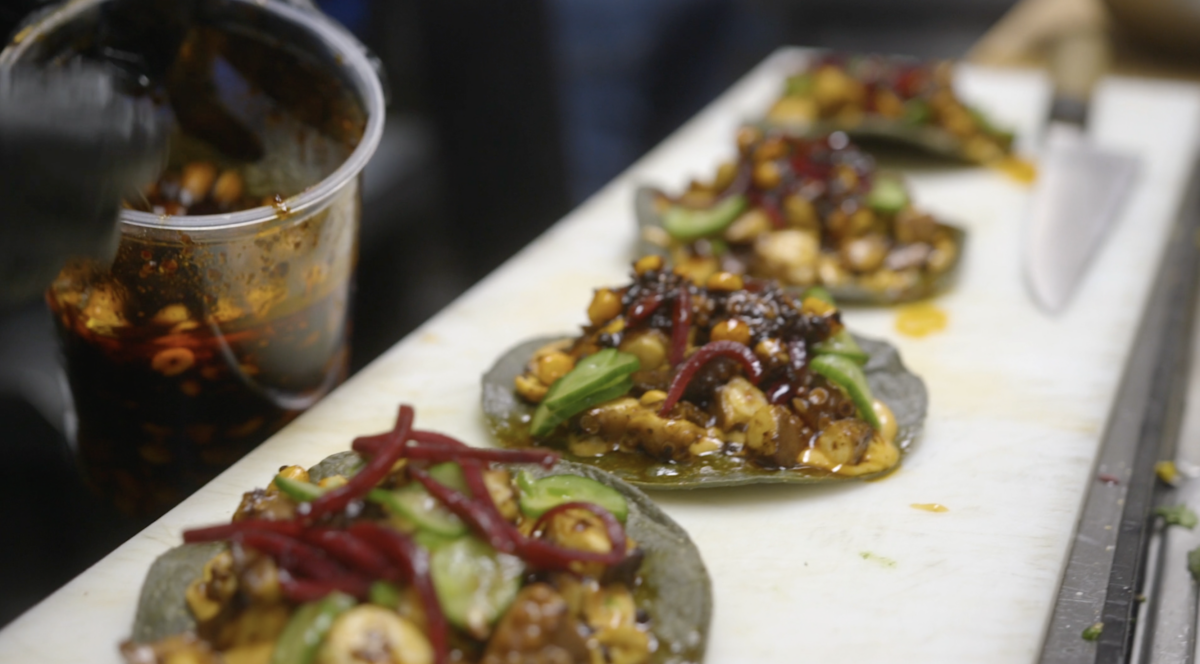 Credit: Lynn Yu
The post-pandemic era has made it clear that the traditional brick-and-mortar model of operating a restaurant in a major city like Los Angeles has become both unsustainable and inaccessible.
Enter: the pop-up. That liminal space between street food and brick-and-mortars. In the pop-up space, chefs can push the bounds of cuisines, experimenting and innovating without any real rules.
A few years ago, a small documentary crew and I followed a couple of chefs over the course of one summer to peek behind the curtain of what it was like operating a pop-up in L.A.
What we found was not just the intensity of cooking out in the brutal Southern Californian heat, but also the pressures of impromptu power emergencies and the constant hustle of transport, set-up and tear-down.
Scroll to continue reading
Pop-ups demand extreme logistical foresight and planning, and as one of our subjects Vanessa Salas points out, sometimes chefs are gambling by spending hundreds of dollars on ingredients without knowing if any of it will sell or not. Chuck in family duties and responsibilities, and the pop-up grind can be soul-wearying.
But what we discovered most in following these chefs was just how vested they are in their communities. These chefs are not just faceless names in a kitchen, they’re out there chatting with the people who come by and welcoming curious diners in with open-armed hospitality.
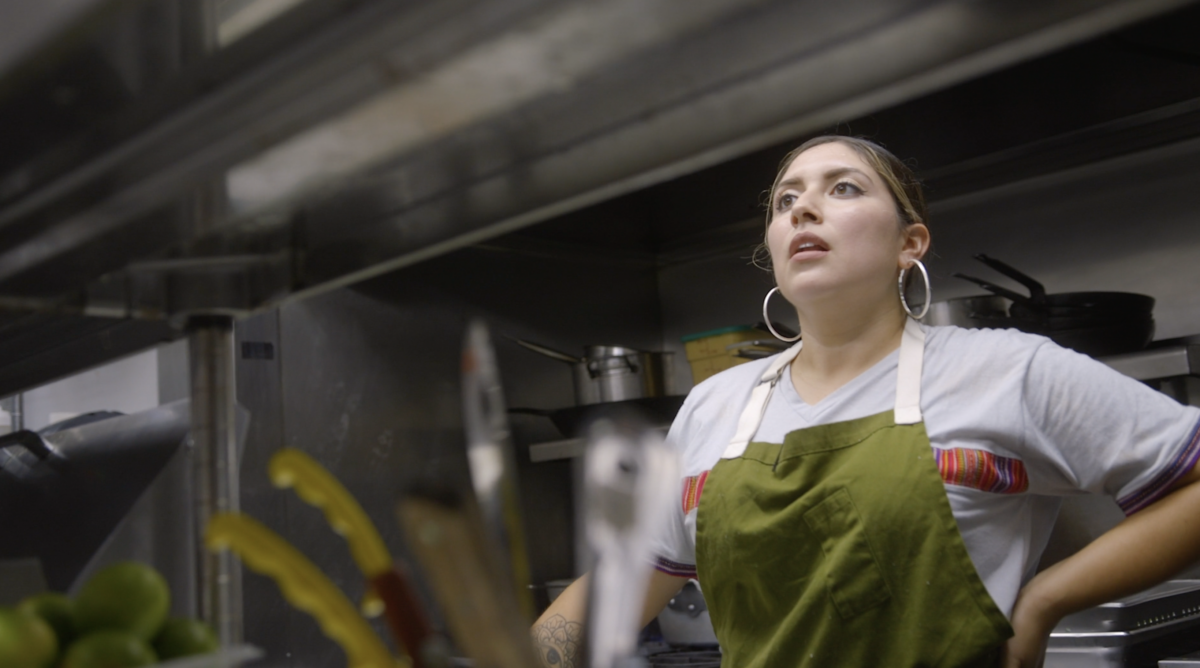 Credit: Lynn Yu
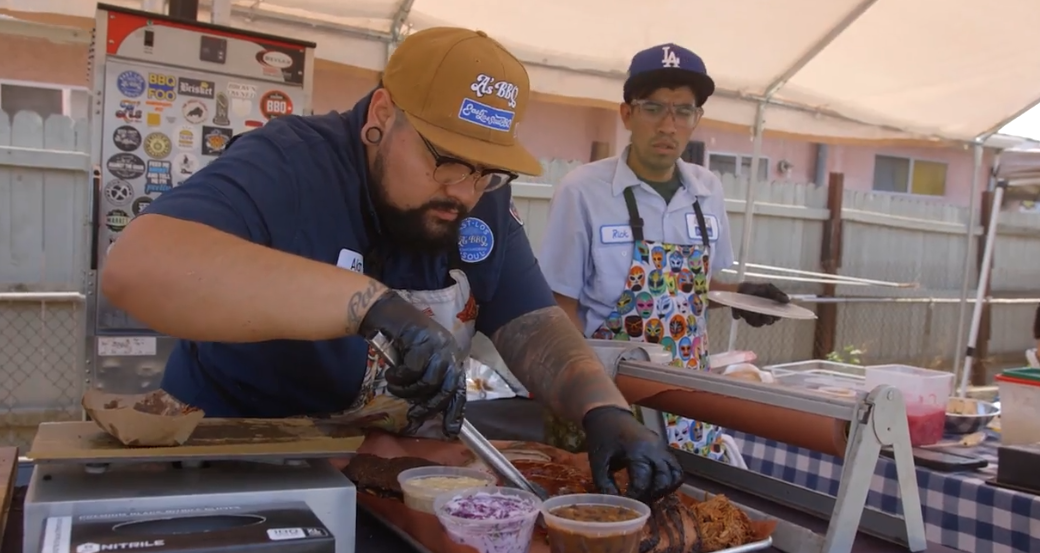
With Alan Cruz, who runs A’s BBQ out of his childhood home in East L.A., he cooks his signature Texas-style briskets on a large smoker out of his backyard. On Saturdays, when he operates his pop-up out of his front yard, folks will gather under tented canopies to kick back and indulge in his al pastor sausages and cafecito spare ribs.
For the first three years of business, Cruz struggled to gain a following, often only making five or ten sales in an afternoon. But after the pandemic, his pop-up took off as an open space for people to gather and meet others in the neighborhood. His cooking, which he describes as “Chicano soul,” is an homage to his Mexican upbringing in the ‘hoods of East L.A.
For Johnny Angeles, one of the business owners of Lobsterdamus, the pop-up space was a way to support his tribe. Angeles’s large Filipino family banded together to open their pop-up at venues like 626 Night Market or Smorgasburg, quitting their respective day jobs to dedicate themselves to their venture full-time. What began as a small side hustle selling grilled lobster over garlic noodles has expanded into something of a pop-up empire, with Johnny and his family hiring three generations of family friends and kids to work with them.
Whether it’s a local neighborhood or an extended family network, the pop-up space is redefining what it means to connect with fellow Angelenos over the grease-stained plastic tables of childhood homes and night markets.
 Credit: Lynn Yu
For that, we owe an enormous debt of gratitude to the pop-up chefs who are striving to stretch the fabric of the city’s dining scene. The next time you’re thinking of where to eat out, consider the pop-up.
“Pop-Up Life: Los Angeles” is now available for viewing on YouTube.