
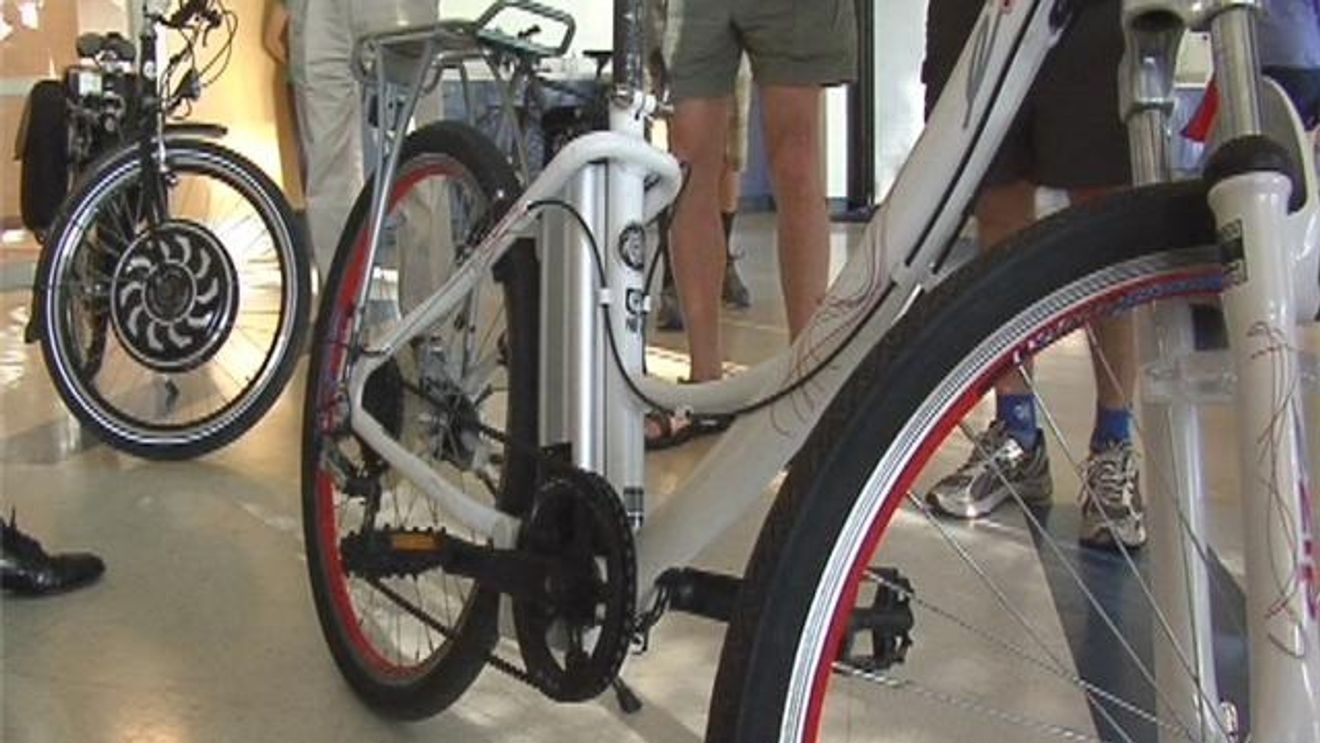
BAKERSFIELD, Calif.(KBAK/KBFX) — E-bikes are becoming more common on local roads and bike paths, and so are questions about how to ride them safely and legally.
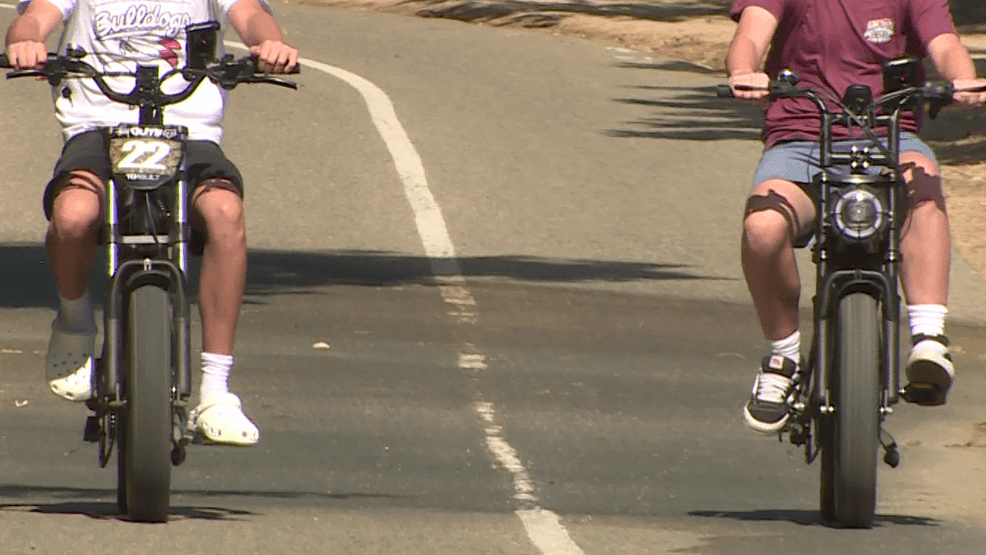
Clovis police urge parents to learn E-bike and E-motorcycle differences amid incident rise (Photo: FOX26 photojournalist John Dwelle)
Experts say wearing a helmet is essential, but understanding what type of e-bike you have, and where it’s allowed, is just as important.
Regular bikes, e-bikes, and other powered bikes may look similar, but they are not treated the same under the law.
In California, e-bikes are divided into three classes, and each class comes with different rules for speed and where riders can go.
“You have the class one that goes to a maximum motor-assisted speed is 20 miles per hour. That’s with class 2 as well. Class 3 is 28 miles per hour,” said Olivia Snider, owner of Snider’s Cyclery in Bakersfield.
According to PeopleForBikes, a nonprofit dedicated to making spaces the best place to ride bikes, e-bikes are often treated like regular bicycles in California. But the class still matters for safety, and where riders can use them.
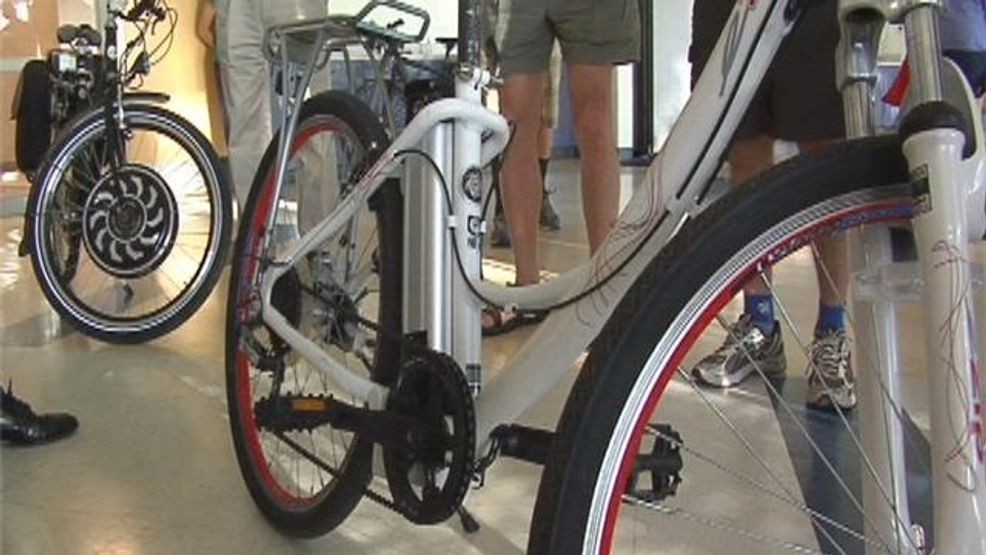 An electric bicycle, or e-bike, on display Monday. Riders said they could tell an electric motor would help out on hills.
FILE
Class 1 e-bikes provide motor assistance only when a rider is pedaling and stop assisting at 20 mph. Class 2 e-bikes can also reach 20 mph, but include a throttle that allows riding without pedaling. Class 3 e-bikes are pedal-assist only and can go up to 28 mph.
Snider said e-bikes can cross into a different legal category if they exceed certain speed thresholds.
“What makes an e-bike illegal is if it goes over a certain speed, without pedaling. So, if you can go over 28 miles per hour, I believe that it’s considered a moped or e-bike, and you do have to have a license for that,” Snider said.
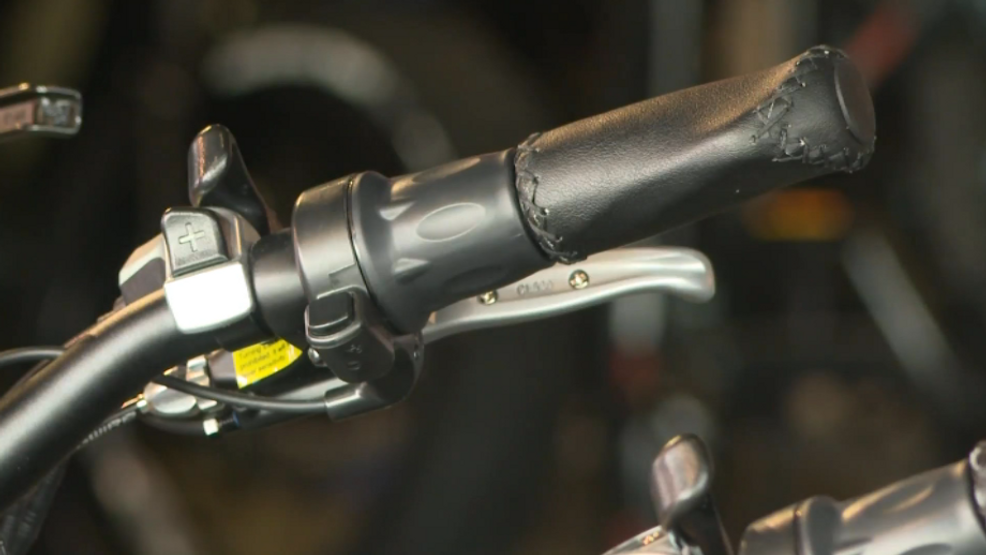
Snider said most of her customers buy Class 1 or Class 2 e-bikes, and she emphasized that knowing the difference can help prevent serious crashes — especially on bike paths.
“Making sure that you are buying a class one or class two, and if you have a class one or class two, you can ride on bike paths. If you have anything modified over that, it’s really not recommended to write on bypaths because if you crash, there’s a much bigger impact,” she said.
Rules can also vary by city.
PeopleForBikes said local governments can decide where e-bikes are allowed, including whether they can be used on bike paths or trails.